Brussels (Brussels Morning Newspaper) September 18, 2026 – The European Union’s upcoming Multiannual Financial Framework for 2028 to 2034 has triggered intense disagreements among the European Parliament, the Council, and member states. Discussions centre on competing demands for industrial competitiveness, security, defence, and traditional cohesion and agriculture funds. Member states and lawmakers face mounting pressure to reach a consensus amidst approaching national elections across several key countries.
European Commission Proposes Two Trillion Euro Budget For 2028 to 2034
Negotiations surrounding the next long-term European Union budget have become increasingly contentious as institutional bodies clash over funding allocations and overall financial scope. In July 2025, the European Commission formally proposed a two trillion euro budget designed to address critical problem areas, including industrial competitiveness, security, and defence. This framework incorporates revamped national and regional partnership plans intended to modernise traditional cohesion and agriculture funding mechanisms.
However, time constraints have heightened the urgency of the talks. With major national elections scheduled in Italy, Spain, Poland, and France, member states are rushing to secure a unanimous position before the end of the year. Simultaneously, the European Parliament has advocated for a ten percent increase to the proposed budget to adequately meet expanding union-wide responsibilities.
To evaluate the state of negotiations and examine critical issues, the European Economic and Social Committee organised a high-level discussion on September 9. The event brought together institutional stakeholders and civil society representatives to assess the current trajectory of the legislative process.
Stakeholders Address Competing Priorities and Financial Constraints
Opening the session, Elena Calistru, president of the section for economic and monetary union and economic and social cohesion at the European Economic and Social Committee, noted that significant developments occurred regarding the budget framework throughout the summer period.
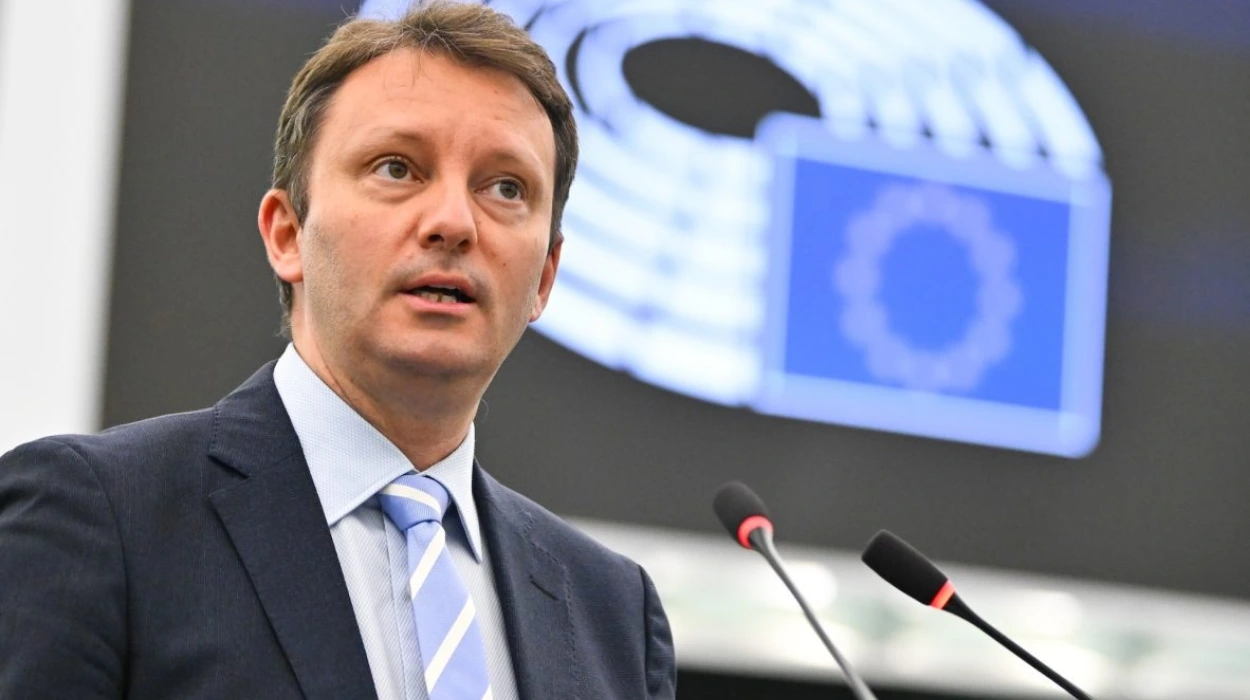
Siegfried Mureșan, the European Parliament’s Multiannual Financial Framework co-rapporteur, characterised the ongoing negotiations by stating that all options remain open and nothing is yet agreed. Mr Mureșan highlighted that the current financial framework accounts for 1.14 percent of the gross national income of member states. He pointed out that while the European Union faces escalating challenges—including security, defence, energy security, food security, and hybrid threats—the European Commission has put forward a budget that remains relative in size to the broader European economy when accounting for inflation and economic growth.
Emphasising the need for transparency, Mr Mureșan stated that policymakers must acknowledge both the financial burden placed on net contributors and the tangible benefits received by beneficiaries. While the European Parliament supports the incorporation of new priorities focused on security, defence, and competitiveness, lawmakers maintain that traditional priorities such as cohesion policy and the Common Agricultural Policy must remain fully supported.
According to Mr Mureșan, cohesion policy strengthens the single market beyond merely assisting less developed regions. Furthermore, he described the Common Agricultural Policy as essential for rural development, agricultural employment, food security, and the preservation of high-quality food standards across Europe.
Parliament Warns Against Funding New Priorities at the Expense of Established Programs
The European Parliament maintains that funding newly introduced priorities must not occur by stripping resources from established long-term policies. Mr Mureșan cautioned that attempting to expand union capabilities without adequate financial backing is impractical.
“Telling the people that the union can do more with a smaller budget is a myth.”
Mr Mureșan stated, adding that a reduced financial framework would result in a weaker union capable of delivering fewer results to citizens. He warned that failing to meet public expectations could create favourable conditions for political extremism and populism.
The discussions also highlighted regional divisions within the Council. Mr Mureșan reported observing a deeply divided General Affairs Council in Dublin, where a group of member states referred to as frugal states—comprising Germany, the Netherlands, Austria, Sweden, Denmark, and Finland—advocated for budget reductions amounting to hundreds of billions of euros.
While acknowledging existing financial constraints and national deficits among member states, lawmakers continue to navigate a complex balancing act between fiscal prudence and the expansion of union-wide strategic capabilities.