Brussels, 30 October, (Brussels Morning Newspaper) – European and United Nations institutions are examining growing concerns about AI and human thinking as new research raises questions about the technology’s influence on critical reasoning, education and independent decision-making.
Recent assessments by UNESCO and the United Nations highlight the importance of maintaining human judgement as generative artificial intelligence becomes increasingly integrated into classrooms, workplaces and everyday activities.
The central concern is whether excessive reliance on automated answers could discourage people from developing the analytical abilities needed to assess information independently.
However, researchers also recognise that appropriately designed AI systems can support learning, creativity and productivity.
5 Critical Risks Linked to Artificial Intelligence
International education research has identified several areas requiring closer attention as AI adoption expands.
These include reduced opportunities to practise independent reasoning, excessive dependence on automated answers, inaccurate or misleading information, weakened learner autonomy and challenges involving accountability.
UNESCO’s September 2026 publication, The Algorithm in the Room, brought together 26 contributions examining artificial intelligence’s implications for education.
The publication explored how technology could affect cognitive development, independent expression, educational assessment and human control over learning.
Rather than concluding that AI inevitably damages intelligence, the research emphasised unresolved questions about how emerging technologies should be integrated into education.
UNESCO Calls for Stronger Human-Centred Learning
UNESCO has consistently supported an approach that places human development at the centre of artificial intelligence policies.
Its April 2026 analysis, Learning to Think in the AI Era, examined concerns that automated writing and problem-solving tools could influence how future generations acquire knowledge.
The organisation stressed the continuing importance of education in developing critical thinking and social skills.
UNESCO has also developed media and information literacy resources designed to help students question AI-generated material, recognise technological limitations and make informed decisions.
These initiatives aim to ensure that artificial intelligence strengthens learning rather than replacing meaningful intellectual engagement.
UN Scientists Highlight Wider AI Governance Challenges
The United Nations Independent International Scientific Panel on Artificial Intelligence published its preliminary assessment on 1 July 2026.
The report examined technological capabilities, societal consequences, human rights, autonomy and governance challenges.
UN Secretary-General António Guterres said:
“The world cannot govern what it cannot understand.”
The panel warned that existing safeguards were struggling to keep pace with rapidly advancing AI capabilities.
Its findings do not establish that artificial intelligence necessarily causes cognitive deterioration. Instead, they underline the need for independent scientific evidence to guide policy decisions.
Why These Concerns Matter for Brussels and Europe
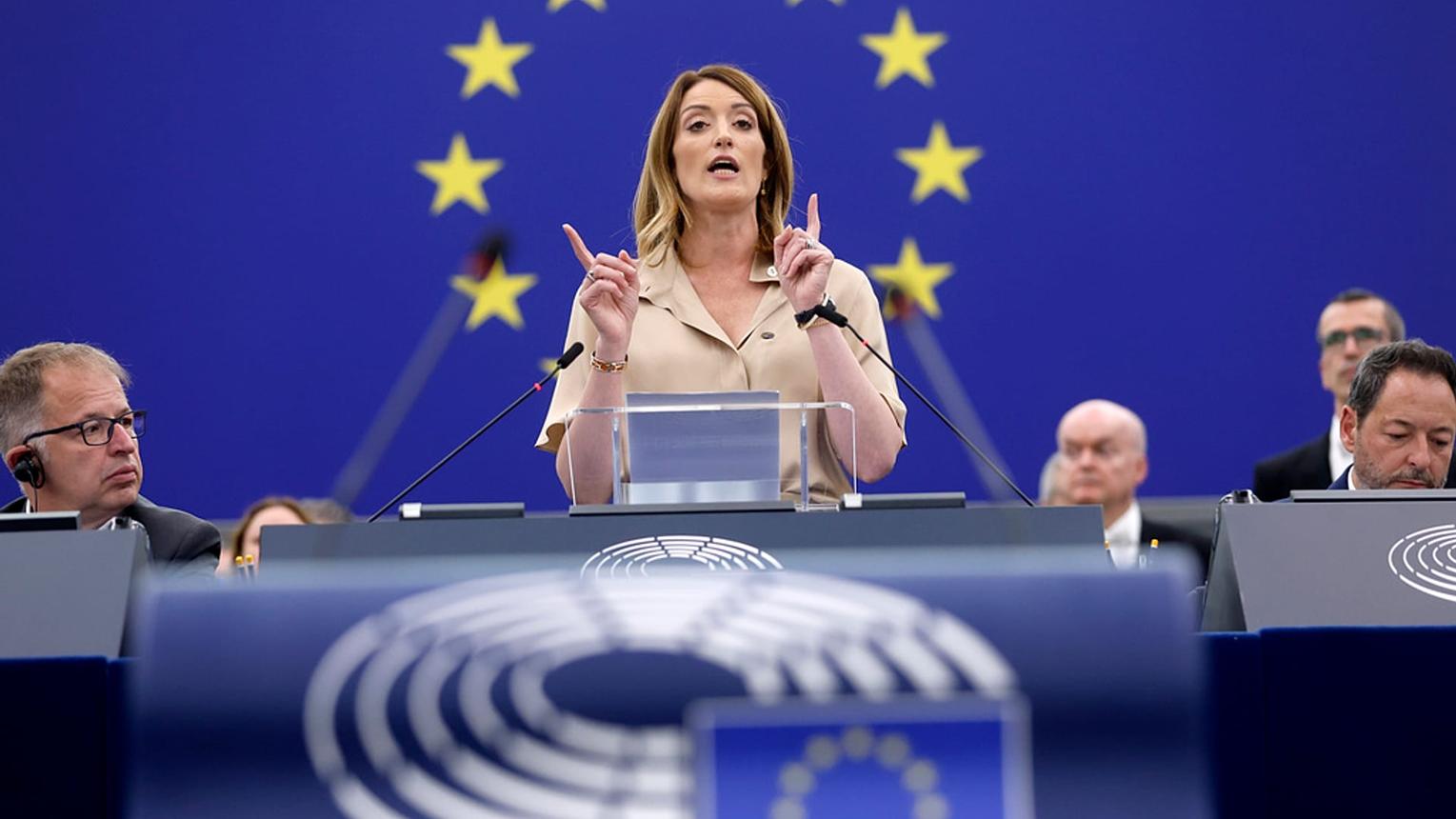
For European institutions, the debate intersects with wider efforts to ensure that artificial intelligence remains transparent, accountable and subject to appropriate human oversight.
The EU’s Artificial Intelligence Act establishes a risk-based regulatory framework for AI systems, including obligations affecting certain high-risk applications.
Education is particularly important because automated systems may influence assessment, access to learning opportunities and students’ developing abilities.
The broader debate over AI and human thinking also affects employers, researchers and public authorities increasingly relying on automated analysis.
European policymakers face the challenge of encouraging innovation while protecting fundamental rights and meaningful human decision-making.
What Happens Next for Global AI Oversight?
The UN scientific panel will continue developing evidence-based assessments of artificial intelligence’s opportunities and risks.
Its next annual report is expected to inform the Global Dialogue on AI Governance scheduled for May 2027 in New York.
Meanwhile, UNESCO’s educational initiatives provide resources for governments and institutions considering how to introduce AI responsibly.
The emerging policy challenge is not simply whether artificial intelligence should be used, but how to ensure that technological assistance preserves independent reasoning, informed judgement and human autonomy.