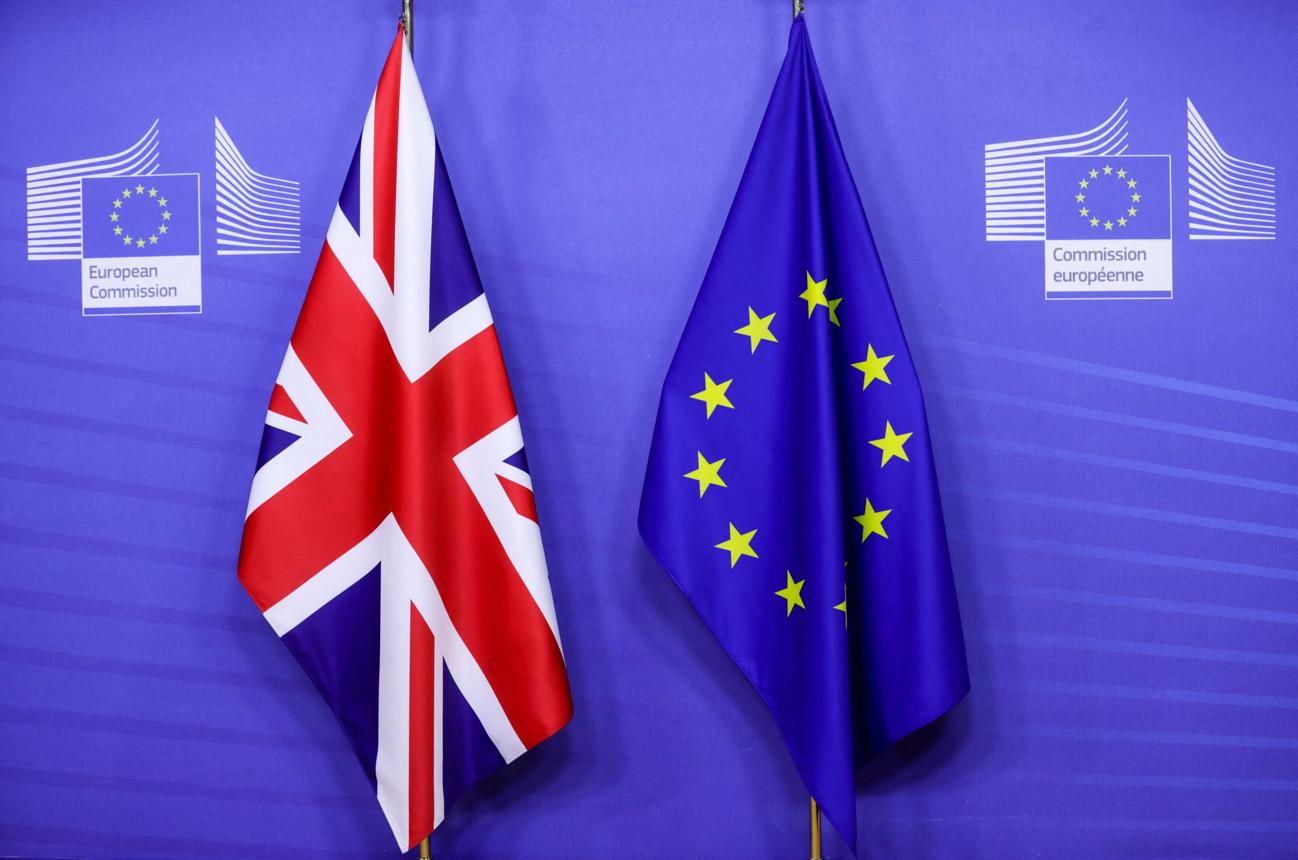
Brussels, Belgium, 27 October, (Brussels Morning Newspaper) – The European Union and the United Kingdom are seeking progress towards an agreement on Made in Europe rules, as discussions continue over whether British manufacturers should qualify for preferential treatment under proposed European industrial policies. The negotiations are significant for businesses operating across the Channel, particularly automotive manufacturers, battery producers and clean-technology companies with closely connected supply chains.
The discussions highlight the challenge facing Brussels as it seeks to strengthen European manufacturing while maintaining economic cooperation with the UK following Brexit.
EU and UK Discuss Key Industrial Trade Compromise
The European Union’s proposed industrial preference measures aim to support manufacturing within Europe, strengthen strategic supply chains and encourage investment in domestic production.
The proposals have raised concerns in Britain because some eligibility requirements could disadvantage UK-based manufacturers supplying European businesses.
Both sides are examining whether an arrangement could allow British products to benefit from selected European industrial support measures without undermining the EU’s wider objectives.
However, progress in negotiations does not mean a final agreement has been secured.
British Government Seeks Stronger Manufacturing Protections
The British government has emphasised the importance of protecting manufacturers whose operations depend on European markets.
Automotive production remains particularly sensitive because vehicles and components frequently cross borders during manufacturing.
British participation in European industrial programmes could help preserve existing commercial relationships and reduce uncertainty for businesses planning future investment.
Discussions have also addressed whether closer alignment on certain trade policies could form part of a wider compromise.
Any such arrangement would require agreement on its precise scope and conditions.
Brussels Faces Pressure Over European Industrial Strategy
The debate forms part of the European Union’s broader efforts to strengthen its industrial competitiveness.
European policymakers have increasingly focused on reducing strategic dependencies, particularly in sectors involving batteries, electric vehicles and other technologies essential to the energy transition.
However, industrial preference policies also create difficult questions about relationships with neighbouring trading partners.
The UK remains closely connected to European manufacturing networks despite its departure from the EU’s single market and customs union.
A restrictive approach could therefore affect businesses operating on both sides of the Channel.
Why the Proposed Agreement Matters for European Businesses
The outcome could influence future investment decisions, procurement eligibility and supply-chain arrangements across several major industries.
For British manufacturers, greater access to European industrial initiatives could reduce the risk of losing business to competitors located inside the EU.
European companies could also benefit from continued access to established British suppliers and specialist manufacturing capabilities.
Nevertheless, the commercial impact will depend on the final wording of the legislation and any specific arrangements negotiated with Britain.
What Happens Next in EU-UK Negotiations?
Further engagement between British officials, the European Commission and EU member states will determine whether the discussions produce a workable compromise.
The European Parliament and the Council of the European Union will also have important roles in the legislative process.
Until the relevant provisions are agreed and formally adopted, the treatment of British manufacturers remains uncertain.
The negotiations represent another test of the EU and UK’s ability to develop practical economic cooperation while maintaining their separate regulatory and trade-policy frameworks.