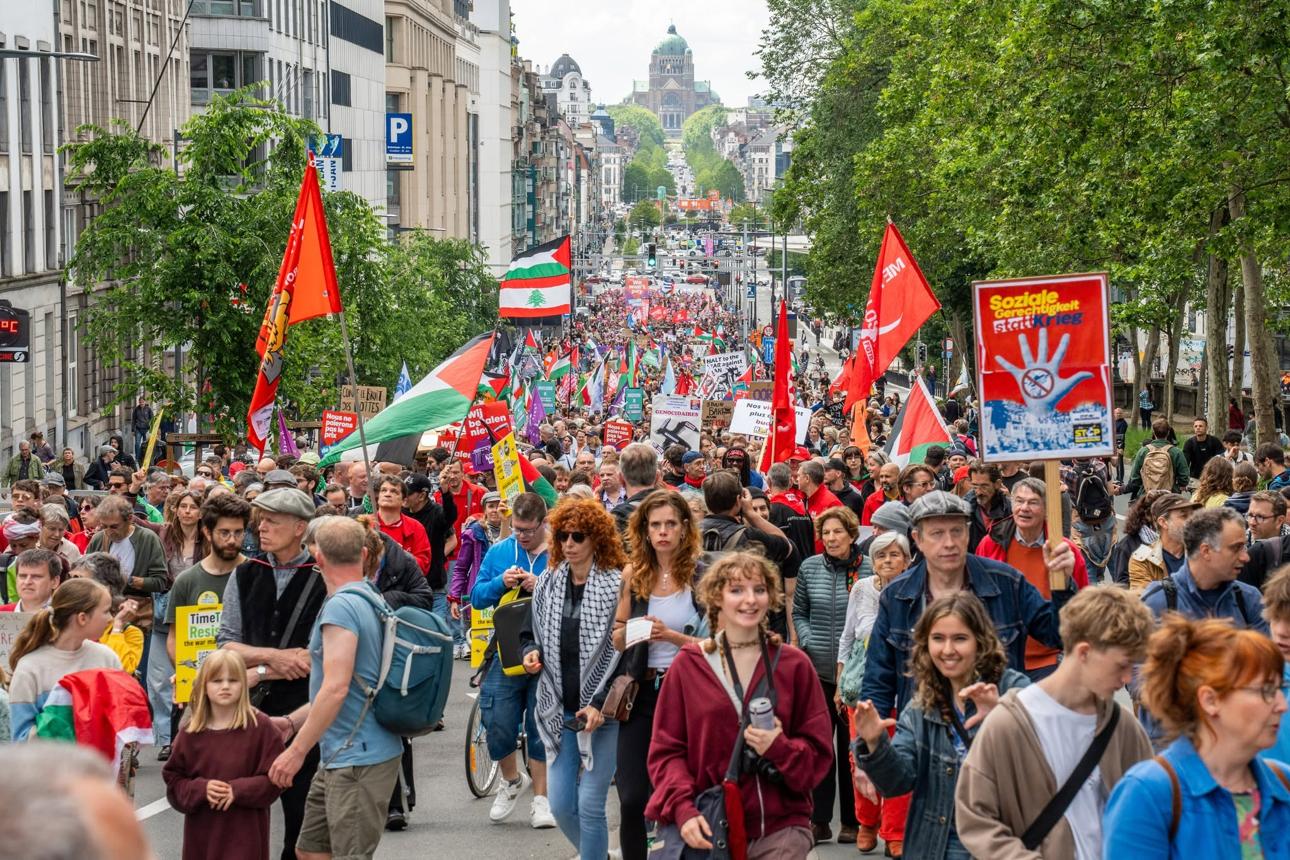
Brussels, Belgium, 26 October, (Brussels Morning Newspaper) – Brussels police detentions totalled nine following confrontations between officers and demonstrators on Saturday, 24 October, as approximately 400 people gathered in the Belgian capital to protest against government reforms, education policies and pressure on public services.
- Brussels Police Confirm Nine Detentions After Demonstration
- Tear Gas and Pepper Spray Used During Clashes
- Brussels Police Explain Public Safety Measures
- Education Reforms and Government Spending Spark Protests
- What the Detentions Mean for Brussels Residents
- What Happens Next After the Brussels Demonstration?
The demonstration began at Place de l’Albertine following calls circulated through social media. Participants criticised federal economic policies, proposed education reforms and alleged police violence during previous demonstrations.
Brussels Police Confirm Nine Detentions After Demonstration
According to police reports, five people were administratively detained for disturbing public order, while four others were arrested on judicial grounds in connection with suspected possession of prohibited weapons and incitement to riot.
Officers conducted preventive security checks before the demonstration and confiscated several items.
The crowd initially intended to approach the headquarters of the French-speaking liberal party Mouvement Réformateur (MR), but police prevented demonstrators from reaching the building.
Participants subsequently moved through Saint-Gilles and towards Brussels-South railway station, where officers attempted to disperse the gathering.
Tear Gas and Pepper Spray Used During Clashes
Tensions escalated as groups of demonstrators confronted police during the procession.
Reuters journalists reported witnessing officers pursuing protesters, including an incident in which one demonstrator was struck and kicked by police.
Separately, protesters gathered road signs and other objects around shared bicycles and electric scooters and attempted to set them alight.
Police used tear gas and pepper spray during confrontations with demonstrators.
Despite these incidents, authorities reported no major disturbances by the end of the afternoon.
Brussels Police Explain Public Safety Measures
Brussels police said officers had acted to maintain public order and protect residents, demonstrators and businesses.
According to reporting by Reuters, police said their measures were intended to guarantee public order and the safety of everyone involved.
Authorities reported no major incidents by the end of the afternoon, although journalists documented confrontations during the demonstration.
The police assessment and eyewitness reporting described different aspects of the same event.
Education Reforms and Government Spending Spark Protests
The latest demonstration followed several weeks of public protests across Belgium over education funding, government spending and household living costs.
Earlier demonstrations brought together workers, students and trade unions concerned about proposed spending reductions and changes affecting public services.
Students have also expressed concerns about education reforms and their potential consequences for access to higher education.
These disagreements have contributed to recurring demonstrations in the Belgian capital.
What the Detentions Mean for Brussels Residents
The Brussels police detentions highlight continuing tensions between demonstrators and authorities over the management of public gatherings.
For residents, businesses and commuters, demonstrations around central Brussels and Brussels-South station can cause temporary disruption to streets, commercial activity and transport access.
The incidents also raise questions about how authorities balance the right to peaceful assembly with their responsibility to prevent violence.
Administrative detention is a public order measure and does not establish criminal wrongdoing. Judicial arrest similarly does not mean an individual has been convicted.
What Happens Next After the Brussels Demonstration?
The four judicial arrests may be examined further by the relevant judicial authorities. However, no confirmed charges, prosecution decisions or court dates were established in the available reporting.
The wider disputes over education funding, government reforms and public services remain unresolved.
Further developments will depend on official decisions concerning the arrests and any subsequent demonstrations announced by protest organisers.