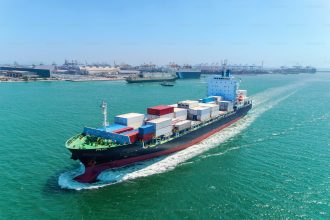
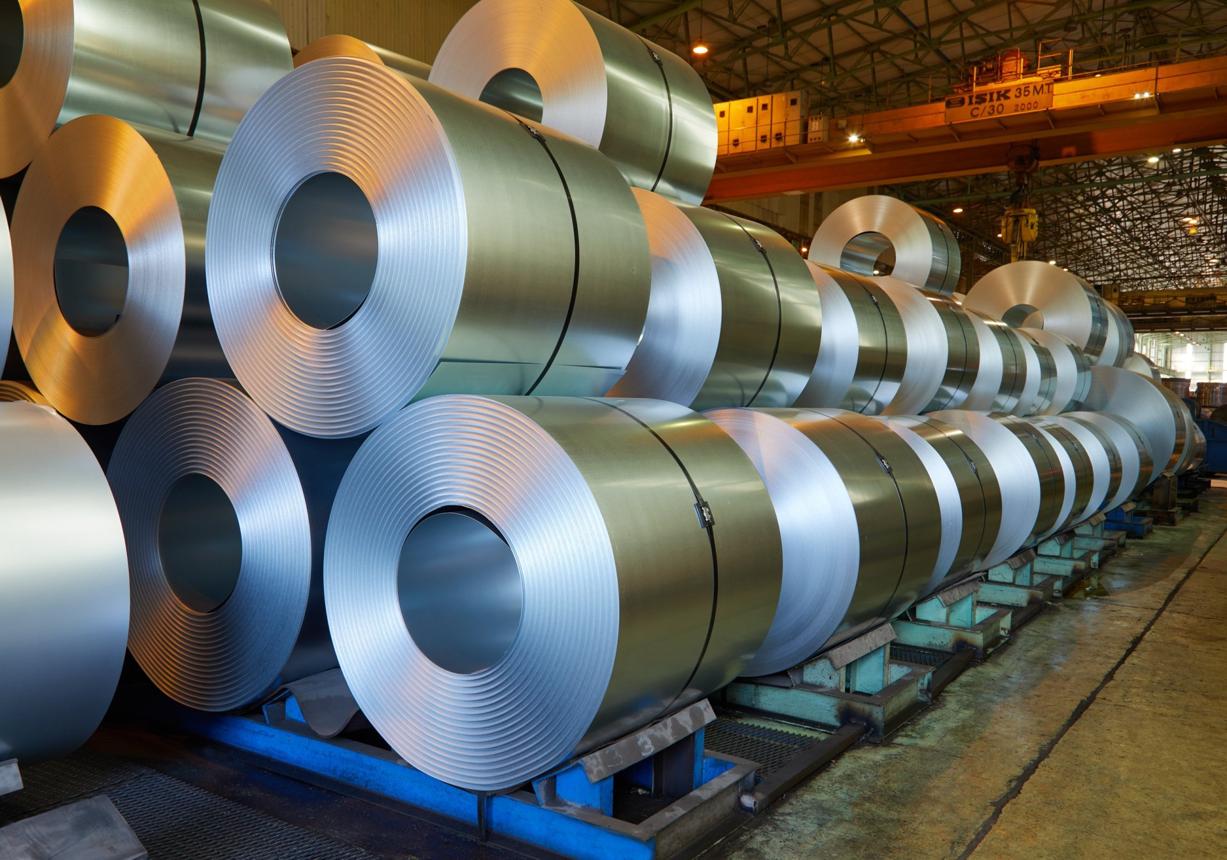
Brussels, 21 October, (Brussels Morning Newspaper) – The European Union is implementing tougher trade protection measures designed to shield European steel manufacturers from global overcapacity and growing competition from imported products. The EU steel import rules introduce stricter tariff quotas, higher duties and new customs requirements, marking a significant change in Brussels’ approach to protecting one of Europe’s most strategically important industries.
The regulation, which began applying on 1 July 2026, seeks to prevent excessive steel imports from undermining European production, industrial employment and long-term investment.
EU Strengthens Import Tariffs to Protect Steel Producers
Under the framework, annual duty-free steel imports are limited to 18.3 million tonnes, representing a 47% reduction compared with the EU’s 2024 quota levels.
Imports exceeding the permitted quotas face a 50% tariff, double the 25% duty imposed under the previous safeguard system.
The measures cover 30 categories of steel products, with European Economic Area countries exempt from the tariff restrictions.
According to the European Commission, the restrictions are necessary because global steel production capacity significantly exceeds demand, creating pressure on manufacturers operating within the European market.
The Commission estimates that worldwide excess steelmaking capacity could reach 721 million tonnes by 2027.
European Commission Introduces Tougher Origin Checks
The regulation also introduces additional requirements to verify the origin of imported steel.
Since 1 October 2026, importers have been required to identify the country where steel products were originally melted and poured.
The European Commission adopted the relevant implementing rules on 31 August 2026, following consultations with industry representatives, traders and other stakeholders.
The requirements are intended to improve supply-chain transparency and prevent attempts to circumvent European trade restrictions.
Brussels Responds to Global Steel Overcapacity
The European Commission has warned that excess global steel production presents a serious challenge to the competitiveness and sustainability of European manufacturers.
In its official policy explanation, the Commission identified trade diversion as a particular concern, with restrictions in other international markets potentially directing additional steel exports towards Europe.
The new framework replaces earlier EU safeguard measures that expired on 30 June 2026.
It also supports the broader objectives of the European Steel and Metals Action Plan, which addresses industrial competitiveness, investment and decarbonisation.
How the Measures Affect European Businesses
The stronger import restrictions are intended to help European steel producers compete against international suppliers operating in markets affected by excess production capacity.
For steel-producing regions, the framework could support manufacturing activity and protect industrial investment.
However, businesses that depend on imported steel may face additional costs when applicable quotas are exhausted.
Construction companies, engineering businesses and manufacturers using steel as a production material could therefore experience changes in purchasing conditions.
Importers must also comply with the new documentation requirements, creating additional responsibilities for businesses trading across international borders.
What Happens Next for EU Steel Trade Policy?
The European Commission is reviewing the implementation and effectiveness of the measures.
A targeted consultation examining the regulation’s operation closed on 11 October 2026. The exercise sought feedback from steel producers, downstream users, industry associations and international trading partners.
A separate assessment of the products covered by the framework is scheduled for completion by 31 December 2026.
The findings will help inform the Commission’s ongoing evaluation of the regulation and whether adjustments are necessary.
For European manufacturers, the effectiveness of the new trade framework will depend on its ability to address import pressures while maintaining reliable supplies for industries across the European Union.