

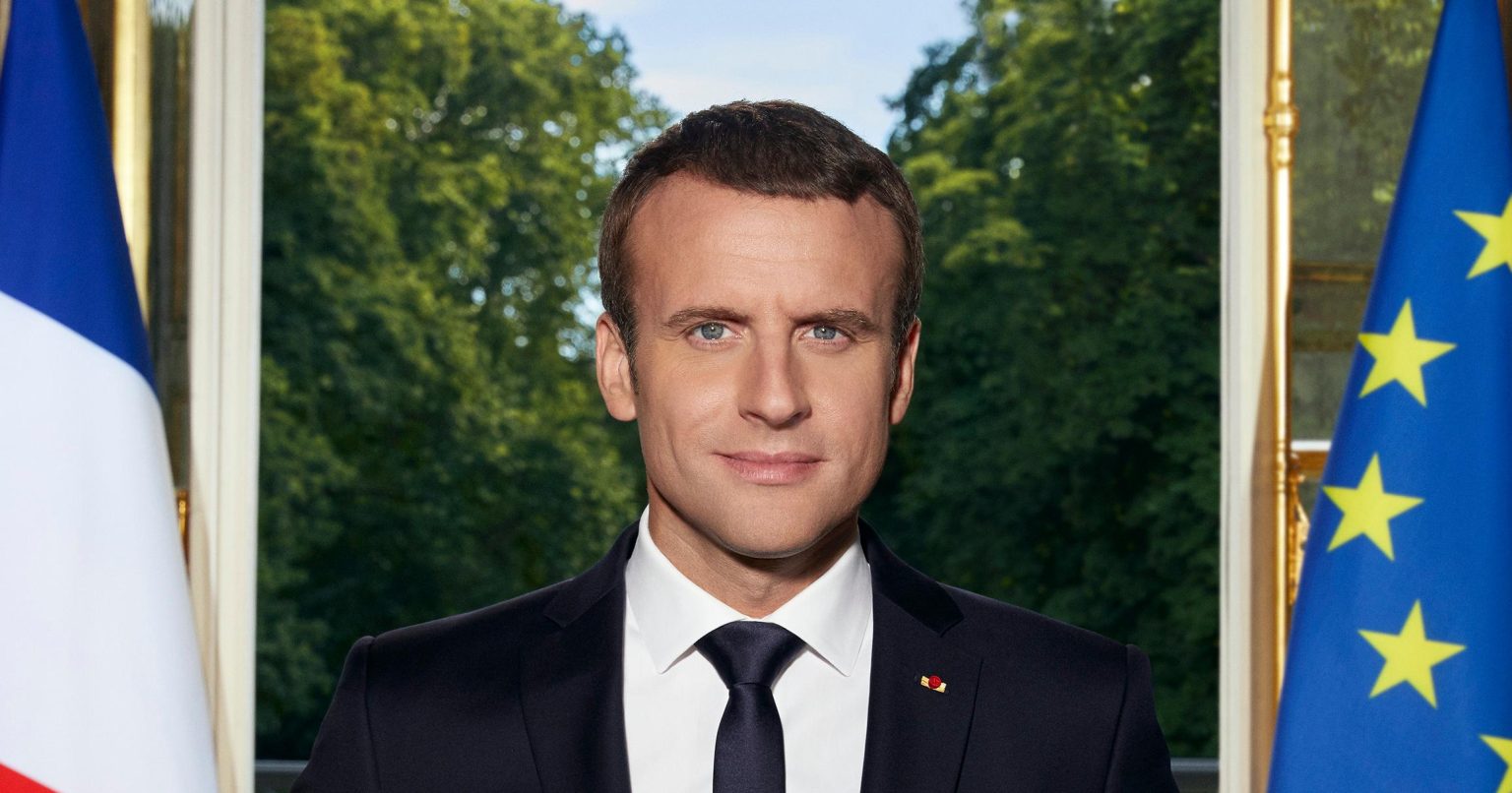
Emmanuel Macron needed one sentence on Sunday night to move the cause of France’s riots some 5,000 kilometres east. Protesters were angry about living costs and fuel, he told the nation, and both flowed from a war in the Persian Gulf, Emmanuel Macron said, “a conflict in which France has taken no part.”
The night before had been the worst France has seen in years. About 550,000 people marched by the Interior Ministry’s count, 800,000 by organisers’. In Limoges, a deliberately set fire brought down the roof of the 19th-century city hall. By Monday the ministry had counted more than 2,300 arrests and nearly 1,000 injured police and gendarmes. The worst single day of the yellow vest revolt, in December 2018, produced nearly 2,000 arrests. Saturday beat it.
Interior Minister Laurent Nuñez offered to resign. Macron refused. Curfews followed in Lyon, Nice and Lille.
Washington has its own diagnosis. “This isn’t about schools,” Donald Trump wrote on Truth Social, blaming mass migration and Islam. So Paris blames Washington’s war, and Washington blames France’s Muslims. Neither explanation requires a French minister to have made a single decision.
That is the convenience of both. And the evidence points the other way.
The movement did not start at a petrol station. It started in September at the Saint-Exupéry high school outside Paris, where students walked out over the state of their classrooms. Unions, the CGT and the yellow vests joined later. Fuel was the accelerant. The fire was already burning.
Macron is not wrong about the pump, and the point deserves its due. French diesel averaged €2.355 a litre on October 5, against an EU average of €2.149. A year ago it cost €1.61, according to the European Commission’s weekly oil bulletin. Flows through Hormuz are still running at roughly half prewar levels. France did not start that war and is paying for it anyway.
But three figures in Prime Minister Sébastien Lecornu’s own budget explain Saturday better than any oil chart.
First, France will spend €74 billion servicing its debt in 2027, more than the €65 billion set aside for education. The country will pay its bondholders more than its teachers. No tanker in the Gulf arranged that.
Second, a government report published last week found that 32 percent of the education ministry’s budget for next year goes to pensions for retired civil servants. Nearly a third of the schools budget never reaches a school.
Third, the 2027 draft seeks €43 billion in spending cuts and other measures, including a freeze on public sector pay. That freeze lands on the same teachers the students marched for. Meanwhile Lecornu scrapped Macron’s pension reform last year to buy Socialist votes for the 2026 budget. The one structural saving of the second term was traded for survival in a confidence vote.
Read those three together and the riots look less like a foreign shock than a domestic invoice arriving in the wrong envelope.
Why, then, does the Élysée keep pointing at the Gulf? Look at the calendar. Macron cannot run again. The Socialists have ruled out backing the 2027 budget, which may leave its fate in the hands of the National Rally, whose leader Marine Le Pen leads the polls for next spring’s presidential race. In that parliament, every domestic cause belongs to someone’s party. A war France stayed out of belongs to nobody in the Assembly. It is the only culprit that costs the government no votes.
None of this excuses what happened on Saturday. Masked groups looted hundreds of businesses and broke into Marseille’s city hall. Prosecutors should pursue them. The state has questions to answer as well: a 15-year-old lost a hand in Saint-Étienne, and in Mulhouse a 17-year-old girl lost an eye. Punishing looters is necessary. It will not fix a single classroom.
The government’s answers so far address the pump alone. From November 1, Paris will release 10 million barrels of diesel from strategic reserves, cutting prices by up to 18 cents a litre until the end of January. Macron spent this week in Kuwait, the UAE, Bahrain and Qatar with the heads of TotalEnergies and Engie, chasing cargo commitments. Both are reasonable. Neither was demanded by a single student at Saint-Exupéry.
The cheaper concession sits in the budget now before the Assembly: take teachers and school maintenance out of the pay freeze and the cuts, and say so before the next national day of action. It would cost a sliver of what France pays in interest. It would also concede that the anger is about choices made in Paris, which is precisely what the Gulf narrative was built to avoid.
The diesel discount expires on January 31. The presidential first round comes in April. If the budget passes with the classrooms still frozen, Le Pen will not campaign on Hormuz. She will campaign on Limoges, where the city hall still has no roof.