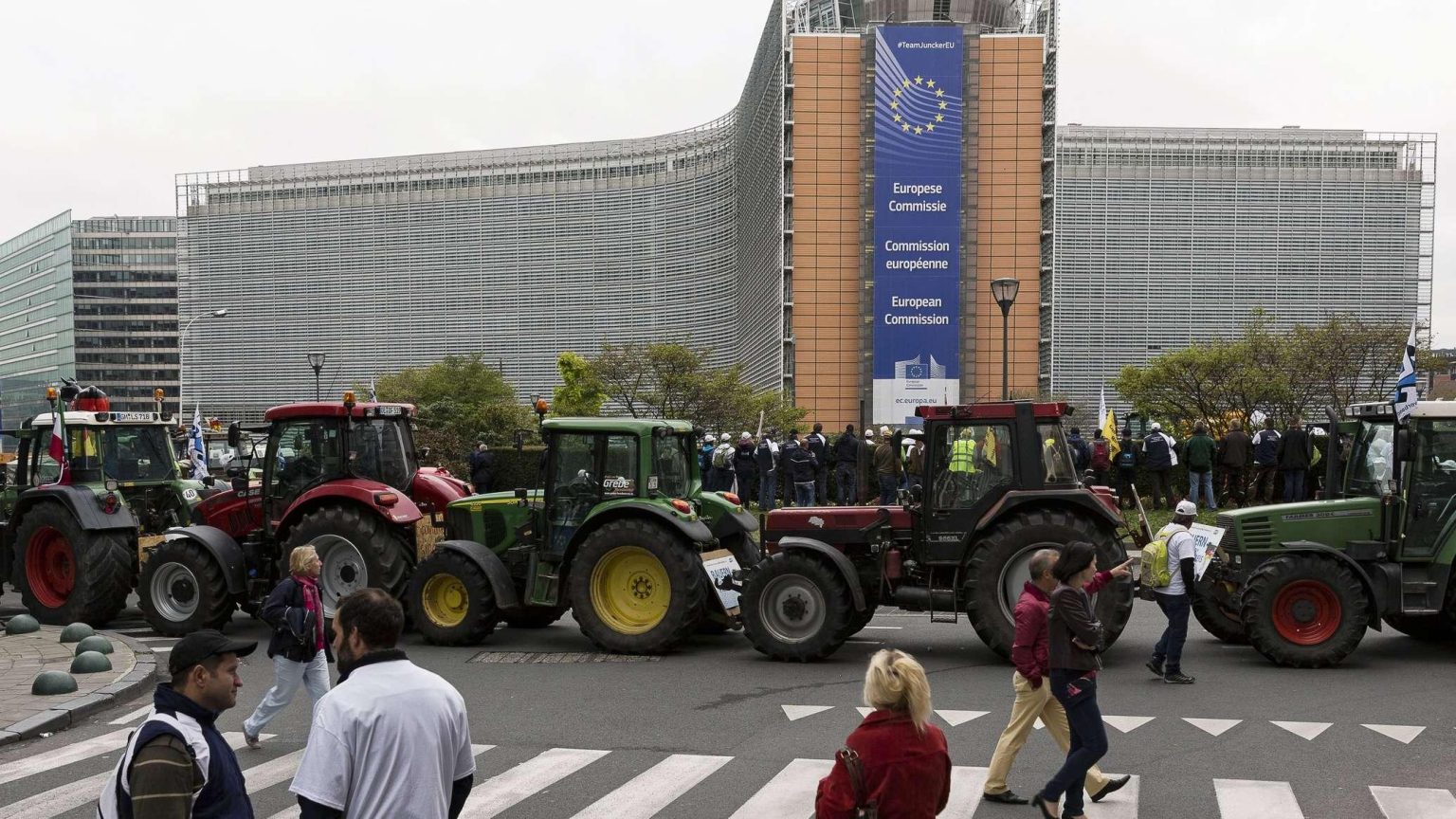
Brussels, 2o October, (Brussels Morning Newspaper) – Europe cost of living protests have drawn attention to mounting financial pressures across the continent, as demonstrations in Belgium, France, Italy and Portugal highlight concerns about expensive housing, household energy bills, wages and public services.
- Brussels Protests Highlight Belgium’s Economic Pressures
- France Faces Growing Pressure Over Living Standards
- Italy and Portugal Confront Housing and Wage Concerns
- Inflation and Household Expenses Remain Central Concerns
- European Governments Face Demands for Economic Relief
- What Happens Next for Europe’s Protest Movements?
Although the demonstrations have different national causes and organisers, they reflect broader dissatisfaction with living standards and the ability of governments to address economic insecurity.
Brussels Protests Highlight Belgium’s Economic Pressures
Belgium has experienced demonstrations over public spending, education and working conditions, with Brussels serving as a focal point for political mobilisation.
Students and workers have raised concerns about affordability, access to public services and the effects of government spending decisions.
These disputes are particularly significant in Brussels, where regional and federal institutions operate alongside major European Union bodies.
For Belgian policymakers, the challenge is balancing budgetary constraints with demands for affordable essential services and improved household financial security.
France Faces Growing Pressure Over Living Standards
France has experienced repeated demonstrations concerning wages, public services, government spending and economic reforms.
Trade unions and campaign organisations have criticised policies they believe place additional financial pressure on workers and households.
The demonstrations reflect longstanding tensions surrounding public spending priorities and the distribution of economic burdens.
For the French government, responding to public dissatisfaction remains difficult amid competing demands for fiscal restraint and continued investment in essential services.
Italy and Portugal Confront Housing and Wage Concerns
Economic affordability has also become a significant issue in Italy and Portugal.
In Italy, workers and campaigners have raised concerns about wages, employment conditions and the rising cost of essential goods and services.
Portugal faces particularly strong public pressure over housing affordability, with campaign organisations demanding measures to address expensive rents and difficulties accessing accommodation.
These issues affect younger workers, families and lower-income households, particularly in major urban centres where housing demand remains high.
Inflation and Household Expenses Remain Central Concerns
Across Europe, households continue to face pressure from housing costs, energy expenses and the prices of everyday necessities.
Although inflation rates vary between countries, the cumulative effects of earlier price increases remain important for household budgets.
Even when inflation slows, prices do not necessarily return to previous levels.
This distinction helps explain why public dissatisfaction can continue despite improvements in headline economic indicators.
For households whose earnings have not kept pace with living expenses, affordability remains a pressing concern.
European Governments Face Demands for Economic Relief
The Europe cost of living protests reflect overlapping economic grievances rather than one centrally organised movement.
Workers, students, pensioners and renters have different priorities, but many share concerns about financial security and access to essential services.
Governments face difficult decisions about wages, taxation, public expenditure and housing policy.
Measures designed to provide immediate financial relief must also be considered alongside longer-term budgetary commitments.
What Happens Next for Europe’s Protest Movements?
Trade unions, housing organisations and other campaign groups are expected to continue pressing national authorities over their respective demands.
Further demonstrations will depend on developments within individual countries, including government decisions, negotiations and planned reforms.
For European policymakers, the central challenge remains addressing public concerns about affordability without undermining financial stability.
The continuing debate over living standards is likely to remain an important political issue as governments respond to pressure from workers, families and businesses.