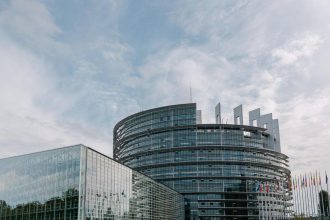
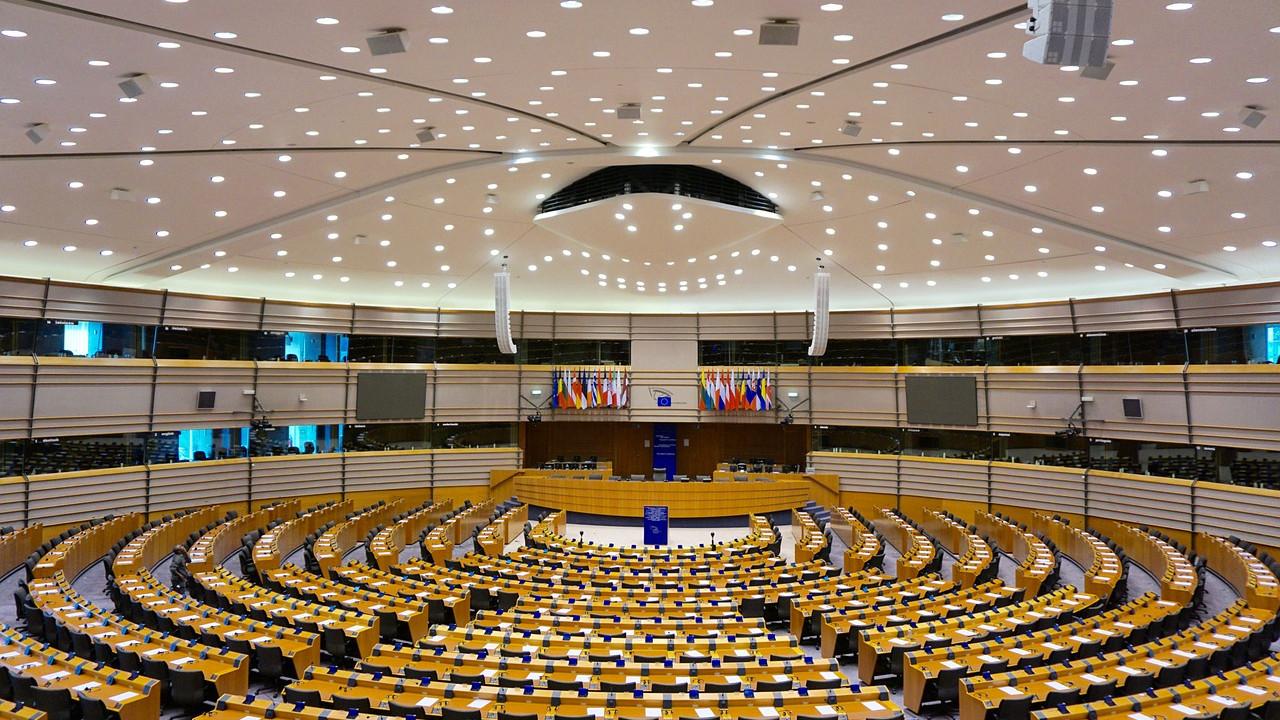
Brussels, 13 October, (Brussels Morning Newspaper) – European elections could bring significant changes to the European Union’s political direction, with shifting parliamentary alliances influencing decisions on migration, climate action, economic competitiveness and defence. As the European Parliament continues its 2024–2029 legislative term, political groups are competing to shape policies affecting millions of citizens across the bloc’s 27 member states.
The outcome of the June 2024 vote continues to influence legislative negotiations in Brussels, where lawmakers must balance national priorities, economic pressures and the European Commission’s policy agenda.
European Parliament Faces a Changing Political Landscape
The 2024 European Parliament elections produced a more fragmented political landscape, increasing the importance of negotiations between political groups.
At the beginning of the parliamentary term, the centre-right European People’s Party emerged as the largest group with 188 seats, followed by the Socialists and Democrats with 136.
Patriots for Europe secured 84 seats, while the European Conservatives and Reformists held 78. Renew Europe obtained 77 seats, and the Greens/European Free Alliance secured 53.
These results demonstrated the growing influence of right-wing parties while preserving a substantial presence for established pro-European political groups.
Because no single group controls a parliamentary majority, legislative decisions require cooperation across political divisions.
Migration and Climate Policies Face Major Decisions
Migration remains one of the EU’s most politically sensitive issues, particularly concerning border security, asylum procedures and cooperation with countries outside Europe.
Some political groups advocate stricter immigration controls, while others emphasise humanitarian protections and compliance with international asylum obligations.
Environmental legislation is another area where political differences could affect future decisions.
The European Green Deal established an extensive framework for reducing emissions and supporting the transition towards a climate-neutral economy.
However, concerns about industrial competitiveness, agricultural costs and regulatory burdens continue to influence parliamentary debates.
European Commission Outlines Its Political Priorities
European Commission President Ursula von der Leyen began her second term on 1 December 2024, following approval by the European Parliament.
The Commission’s official priorities for 2024–2029 include strengthening European competitiveness, improving security, supporting democratic institutions and advancing sustainable prosperity.
The programme also emphasises investment, innovation, social fairness and Europe’s international partnerships.
These objectives provide the basis for future legislative proposals, although Parliament and the Council must agree on most EU laws before adoption.
Why Parliamentary Changes Matter for European Citizens
Changes in the European Parliament’s political composition can influence legislation affecting businesses, workers, consumers and public administrations.
Businesses may face adjustments to environmental standards, digital regulations and industrial policies.
Farmers and agricultural organisations are closely affected by decisions concerning sustainability requirements, trade and the Common Agricultural Policy.
Meanwhile, migration and border-management legislation can influence national administrative procedures and cooperation between member states.
For European households, decisions involving energy markets, consumer protections and economic competitiveness may have practical consequences.
What Happens Next for EU Policies?
The next regular European Parliament elections are scheduled for 2029, when voters will again determine the institution’s political composition.
Until then, parliamentary groups will continue negotiating legislative proposals and examining the European Commission’s initiatives.
Future agreements will depend on parliamentary majorities, negotiations with member states and the specific legal procedures governing each proposal.
For Brussels, the continuing challenge is to reconcile differing political priorities while maintaining cooperation across the European Union.
The current parliamentary term will therefore remain important in determining how Europe’s migration, economic, environmental and security policies develop before voters return to the polls.