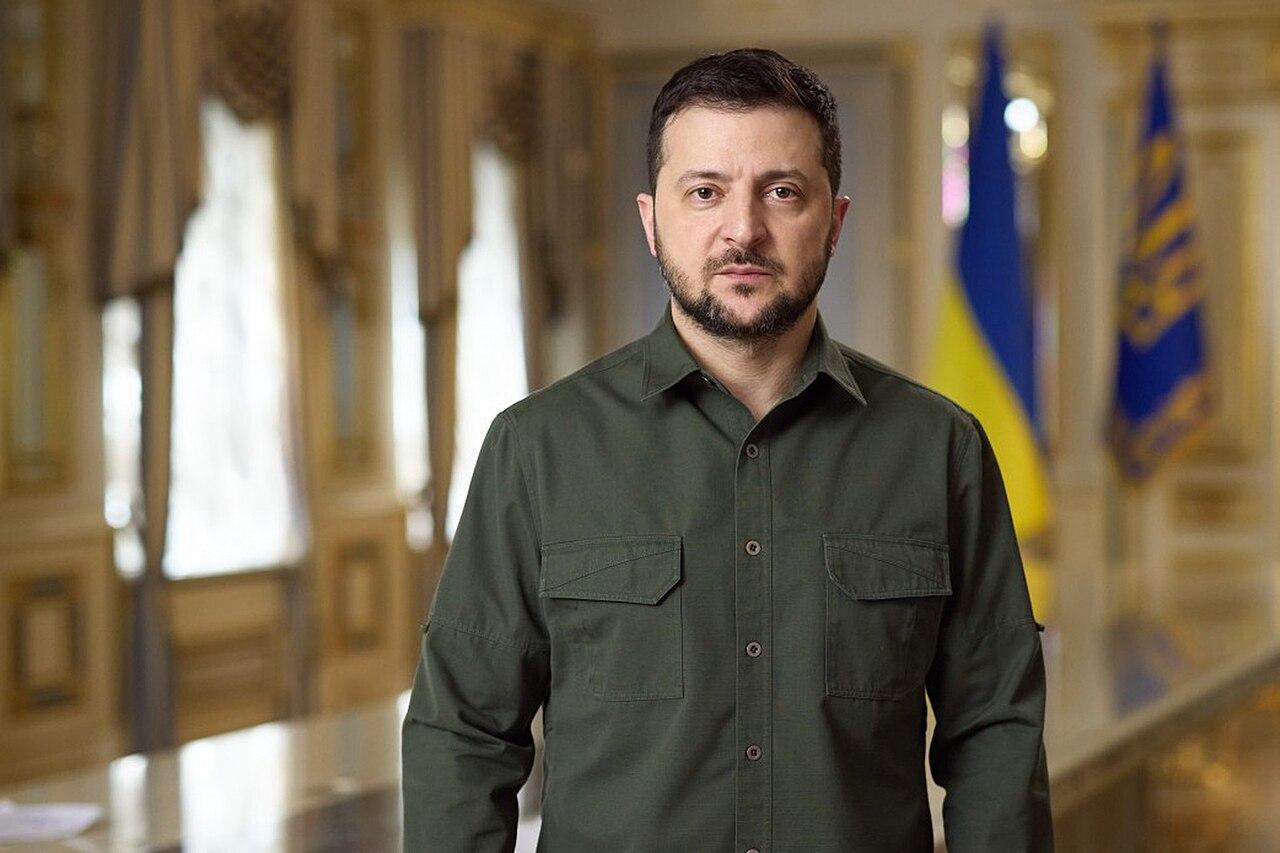
Kyiv, Ukraine, 13 October, (Brussels Morning Newspaper) – Ukrainian President Volodymyr Zelenskyy has accused Russia of disregarding US President Donald Trump’s call to suspend attacks on energy infrastructure, raising fresh concerns over diplomatic efforts to reduce hostilities. The dispute surrounding the proposed Ukraine ceasefire comes as Kyiv reports continued Russian strikes on civilian facilities, exposing the challenges facing Washington’s latest attempt to secure reciprocal restrictions.
- Russia Faces Accusations Over Continued Infrastructure Attacks
- Zelenskyy Condemns Russian Response to Trump’s Proposal
- Russian Strikes Raise Concerns Over Civilian Safety
- Brussels Monitors Diplomatic Efforts and Energy Security
- Background to Trump’s Efforts to Reduce Hostilities
- What Happens Next for Ukraine and Russia?
The disagreement has attracted attention across European capitals, including Brussels, where the European Union continues to coordinate political, financial and military assistance for Ukraine.
Russia Faces Accusations Over Continued Infrastructure Attacks
Zelenskyy said Ukrainian forces had refrained from targeting Russian oil and energy installations following Trump’s announcement of a proposed suspension of attacks.
However, the Ukrainian president accused Moscow of failing to demonstrate equivalent restraint.
Ukrainian authorities reported further strikes involving missiles and drones against energy facilities and civilian infrastructure.
The developments have raised questions about whether Washington’s announcement reflected an agreement accepted by both governments or a diplomatic proposal that had not secured mutual commitments.
Russia has not publicly confirmed a comprehensive, binding arrangement covering all attacks on energy infrastructure.
Zelenskyy Condemns Russian Response to Trump’s Proposal
Zelenskyy criticised Moscow’s response to the American initiative, maintaining that Ukraine had demonstrated its willingness to support reciprocal restrictions.
According to reporting by Ukrainska Pravda, the Ukrainian president stated:
“But Russia did not heed the American president.”
His remarks reflected Kyiv’s position that any meaningful reduction in attacks must involve verifiable commitments from both sides.
Ukraine has repeatedly argued that diplomatic agreements require clear implementation measures rather than announcements alone.
The Kremlin’s position on the scope and terms of the proposed arrangement remains a central issue in determining whether further negotiations can produce practical results.
Russian Strikes Raise Concerns Over Civilian Safety
The latest reported attacks have renewed concerns about the vulnerability of Ukrainian cities and essential infrastructure.
Ukrainian officials have reported casualties and damage following strikes affecting Kyiv, Kharkiv and other areas.
Attacks on electricity networks, gas installations and transport facilities can disrupt essential services and place additional pressure on emergency responders.
The damage is particularly significant as Ukraine prepares for colder weather, when reliable electricity and heating become increasingly important.
Independent verification of individual battlefield claims remains difficult during the continuing conflict.
Brussels Monitors Diplomatic Efforts and Energy Security
The dispute carries important implications for European governments supporting Ukraine.
EU institutions in Brussels have consistently emphasised Ukraine’s sovereignty, territorial integrity and the need for a sustainable settlement consistent with international law.
European governments have also provided financial assistance, military equipment and support for restoring damaged Ukrainian infrastructure.
The proposed Ukraine ceasefire could influence discussions about energy security, humanitarian protection and the conditions required for future negotiations.
However, a limited suspension of attacks on energy facilities would not, by itself, constitute a comprehensive end to the war.
Background to Trump’s Efforts to Reduce Hostilities
The conflict began with Russia’s full-scale invasion of Ukraine in February 2022, following Moscow’s annexation of Crimea in 2014 and years of fighting in eastern Ukraine.
Successive diplomatic initiatives have struggled to bridge fundamental disagreements over territory, security guarantees and the conditions for ending military operations.
Trump has sought to position Washington as a central diplomatic participant in efforts to reduce the fighting.
Nevertheless, differences between public announcements and confirmed commitments remain a significant obstacle.
What Happens Next for Ukraine and Russia?
Further diplomatic engagement will be necessary to establish whether Moscow and Kyiv are prepared to implement reciprocal restrictions on attacks against energy infrastructure.
Ukraine is seeking clearer commitments and practical assurances that any arrangement would be respected.
European leaders are expected to continue assessing the security implications while maintaining support for Kyiv.
For now, the absence of a publicly confirmed, mutually accepted agreement leaves the proposed restrictions uncertain, with civilian infrastructure remaining exposed to further attacks.