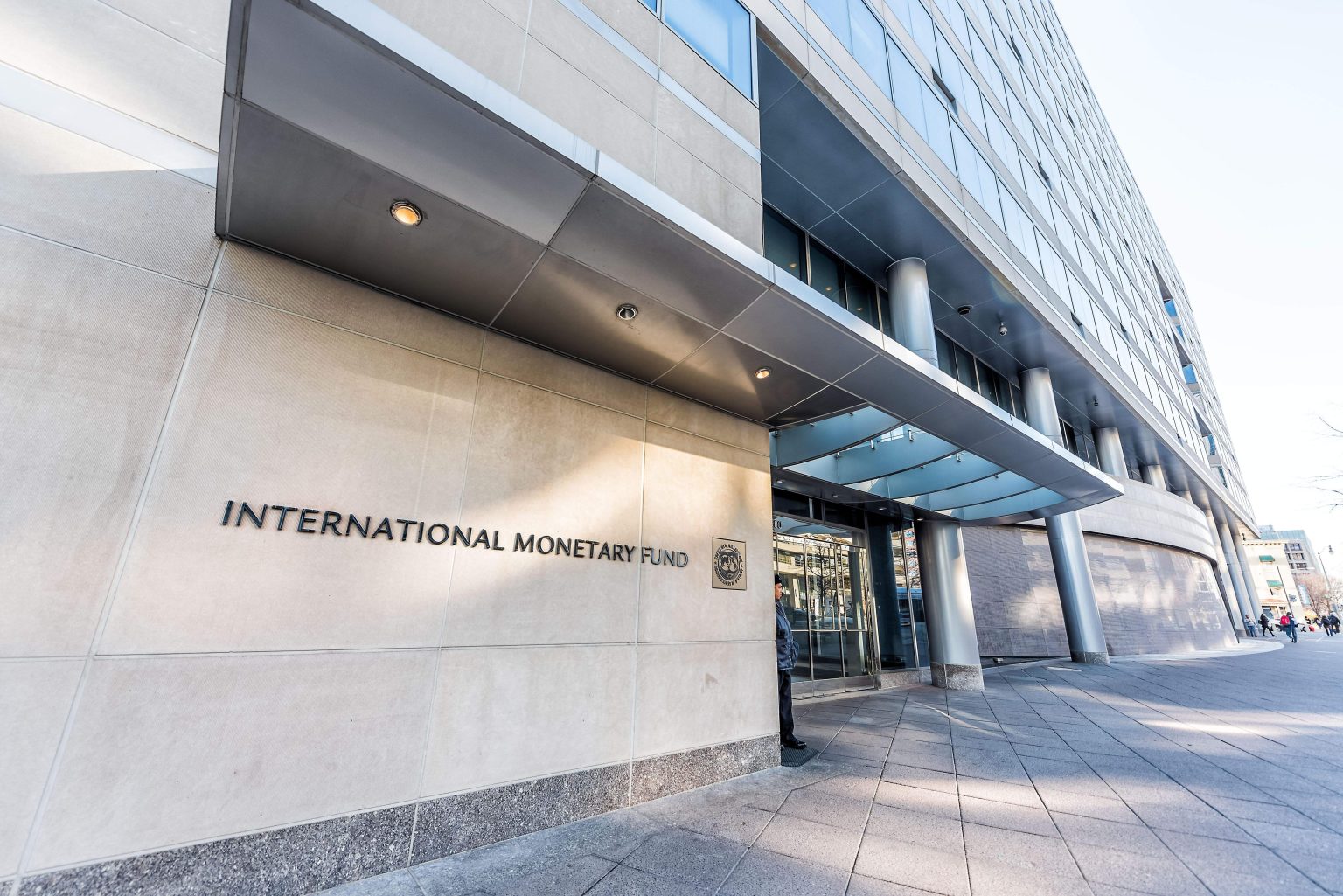
Bangkok, 13 October, (Brussels Morning Newspaper) – The International Monetary Fund (IMF) has issued a stark warning about growing threats to global economic stability, highlighting artificial intelligence investment, the Middle East conflict and mounting government debt as major concerns for international financial markets.
The latest IMF economic risks assessment comes as policymakers gather in Bangkok for the IMF and World Bank annual meetings, with European governments facing renewed pressure from energy costs, inflation and weak economic growth.
Despite these challenges, the IMF has increased its global growth forecast for 2026 to 3.1%, up from the 3.0% projected in July. Growth is expected to reach 3.4% in 2027, although the outlook remains vulnerable to geopolitical and financial shocks.
IMF Warns AI Investment Boom Could Threaten Financial Stability
Artificial intelligence investment has become an important source of economic growth, supporting technology companies, semiconductor manufacturers and countries involved in advanced manufacturing.
However, the IMF warned that financial markets could face disruption if expectations surrounding AI profitability fail to materialise.
A sudden decline in technology valuations could weaken investor confidence, reduce corporate investment and increase pressure on financial institutions exposed to the sector.
The organisation also highlighted the uneven distribution of AI-related economic benefits, with technology-producing economies performing better than countries outside the global technology supply chain.
Middle East War Creates Serious Threat to Global Growth
The continuing conflict in the Middle East remains a major source of economic uncertainty.
Higher oil prices and disruptions to international shipping have increased costs for businesses and consumers, particularly in countries dependent on imported energy.
The IMF’s latest forecasts assume that the Strait of Hormuz will reopen by March 2027, with shipping conditions returning towards pre-war levels by October 2027.
In a more severe scenario, oil prices remaining above $130 per barrel through the first quarter of 2027 could reduce global economic growth by approximately half a percentage point next year.
Such developments could also prolong inflation and complicate central bank decisions on interest rates.
IMF Calls for Stronger Economic Resilience
The IMF has urged governments to strengthen fiscal stability, address growing debt burdens and rebuild financial safeguards against future economic shocks.
Its July World Economic Outlook update stated that policymakers should “preserve price stability, rebuild fiscal space, and strengthen adaptability.”
The Fund’s October assessment reinforces concerns that high borrowing costs and limited government resources could make responding to another major crisis increasingly difficult.
European Union Faces Pressure From Weak Economic Growth
The latest IMF economic risks assessment is particularly relevant to Brussels and European Union policymakers.
The eurozone economy is forecast to expand by approximately 1.1% in 2026, reflecting relatively subdued growth compared with several other major economies.
European manufacturers remain exposed to energy price fluctuations, while households face uncertainty surrounding inflation, employment and purchasing power.
Governments must also balance spending priorities against rising debt-servicing costs and demands for investment in infrastructure, technology and economic security.
For EU institutions, the IMF’s findings underline the importance of strengthening economic competitiveness while maintaining financial stability.
What Happens Next for Global Markets and Europe?
The IMF and World Bank annual meetings will continue discussions on economic growth, debt sustainability and financial resilience.
European policymakers will be watching developments in energy markets, AI investment and international borrowing conditions as they assess the outlook for businesses and households.
Although the IMF’s improved growth forecast suggests the global economy remains resilient, its latest warning makes clear that prolonged conflict, financial market corrections and rising debt could threaten that stability.
The central challenge for governments will be protecting economic growth while preparing for further disruption.