Madrid, 6 October, (Brussels Morning Newspaper) – Spain is heading towards an early general election on 29 November after Prime Minister Pedro Sánchez called voters back to the polls, placing the country’s worsening housing affordability problem at the centre of a high-stakes political campaign. The Spain snap election follows another parliamentary setback for the minority government over housing measures as rising property prices intensify pressure on households.
The election means Spaniards will choose a new Congress of Deputies earlier than originally expected, with housing likely to become one of the most closely contested domestic policy issues.
Sánchez calls early election after parliamentary setbacks
Sánchez announced the decision after informing King Felipe VI and moving to dissolve the Cortes Generales.
According to the Spanish government’s official account, the prime minister acknowledged that his administration had not achieved all of its objectives during the current term and identified access to housing among the country’s unresolved challenges.
The decision follows persistent difficulties for Sánchez’s government in securing parliamentary majorities for legislation. Those divisions were demonstrated again when Congress rejected government housing measures on 2 October.
The defeat underscored how difficult it has become for the minority administration to advance major reforms without negotiating support from other parliamentary groups.
Spain’s housing crisis becomes major election issue
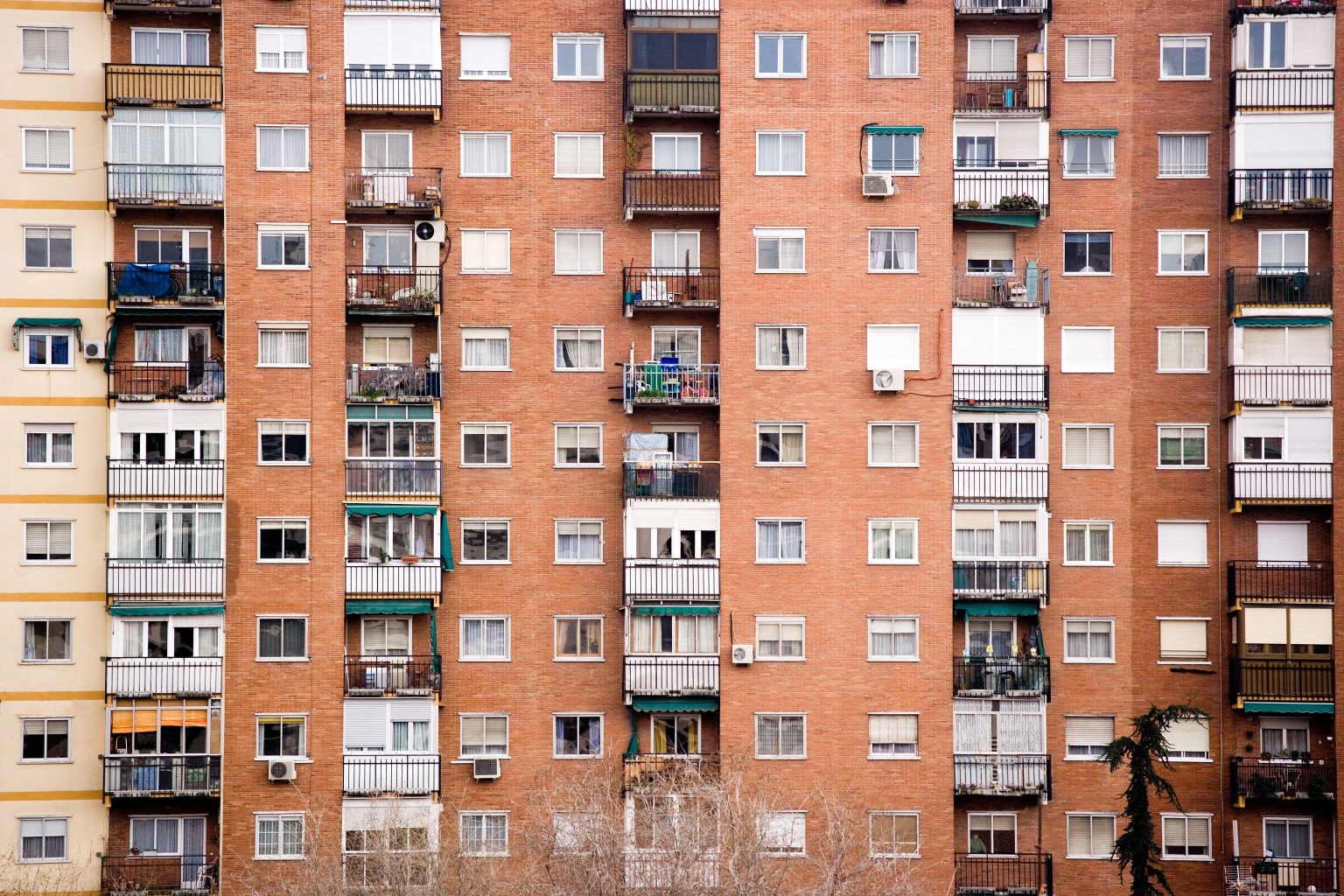
Housing affordability has moved rapidly up Spain’s political agenda as renters and prospective homeowners confront increasing costs.
Official figures from Spain’s National Statistics Institute showed house prices rose 12.2% year-on-year during the second quarter of 2026. Second-hand property prices increased by 12.9%, while prices for newly built homes rose 7.4%.
Compared with the previous quarter, overall house prices increased by 3.4%.
Those figures provide a significant economic backdrop to the election campaign and are likely to sharpen scrutiny of how Spain’s competing political parties intend to increase housing supply and improve affordability.
Sánchez admits government has fallen short
Sánchez acknowledged shortcomings when announcing his decision to call the election.
“We ourselves have made mistakes and have not managed to do everything we had set out to do,” the prime minister said, according to the Spanish government’s official transcript.
His remarks are particularly significant on housing, where the government has pursued measures including stronger protections for tenants and interventions intended to contain housing costs.
Opposition parties have challenged elements of that approach and have placed greater emphasis on expanding housing supply and reducing regulatory barriers.
Political parties face pressure for credible housing plans
The Spain snap election will therefore involve more than a contest over who governs Madrid. It will also provide voters with competing approaches to one of the country’s most visible economic and social pressures.
Housing policy in Spain is particularly complicated because responsibility is divided between the central government, autonomous communities and municipalities.
National legislation can shape rental rules, taxation and broader housing policy, while regional and local authorities retain important powers affecting planning, development and housing provision.
That means any future government seeking major changes will need to navigate both parliamentary arithmetic and Spain’s decentralised political system.
Rising property prices increase pressure on younger Spaniards
Rapidly increasing prices have particular implications for renters, younger workers and households seeking to purchase their first home.
The 12.9% annual rise in second-hand property prices recorded in the second quarter is significant because existing homes represent a substantial part of the housing market available to buyers.
Housing pressures have also contributed to demonstrations and growing public debate over rents, tourism accommodation, property investment and the pace of new construction.
For political parties, the challenge will be demonstrating how their proposals could expand available housing while addressing affordability and security for tenants.
What happens next in Spain?
Spain now enters a shortened campaign before voters go to the polls on Sunday, 29 November.
Political parties are expected to set out competing proposals covering housing, the economy, public services and other national priorities as they seek support for the next parliament.
Housing is likely to remain prominent because the underlying affordability pressures will not disappear during the campaign.
The Spain snap election will ultimately determine the composition of the Congress of Deputies and whether the next government can build sufficient parliamentary support to advance housing reforms after the latest measures were rejected.
With property prices continuing to rise and housing affordability affecting households across the country, the issue has moved beyond a policy dispute in parliament and into the centre of Spain’s national political debate.