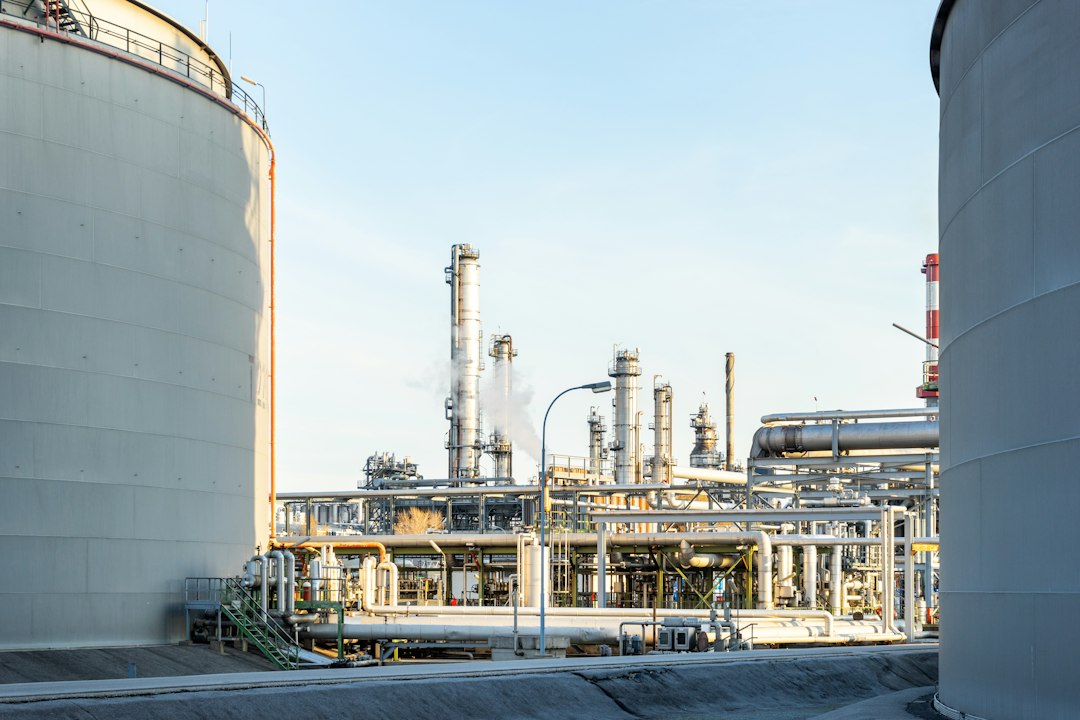
Brussels, 5 October, (Brussels Morning Newspaper) – Europe is confronting renewed energy-market pressure as Brent crude remains above $100 a barrel, leaving governments and businesses exposed to elevated fuel, transport and industrial costs. The Europe energy shock is increasingly being shaped by disruption to shipping, refining and fuel logistics, even as Middle Eastern crude exports recover.
Oil above $100 keeps pressure on European markets
Brent crude was trading at about $102.41 a barrel on Monday, while US West Texas Intermediate was around $90.21, according to Reuters.
The elevated international benchmark remains a concern for Europe because the region depends heavily on imported crude and refined petroleum products. Higher oil prices can feed into diesel, aviation, freight and manufacturing costs, although the scale and timing of the impact varies between countries and industries.
The latest market disruption is not simply a question of whether enough crude oil exists. Shipping security, tanker availability, insurance costs and refinery capacity have become increasingly important factors determining the price ultimately paid for fuel.
Diesel prices emerge as key European concern
European officials are paying particularly close attention to diesel.
The European Commission said on 2 October that diesel supplies in the European Union remained stable, while acknowledging that prices remained high because of tight global market conditions. European refineries have been operating near maximum capacity as authorities work to maintain supplies.
That means the current Europe energy shock should not be described as an EU-wide physical fuel shortage. Instead, Europe is facing elevated prices and tight markets that could increase costs across sectors heavily dependent on petroleum products.
Road freight, agriculture, aviation and energy-intensive businesses are among those particularly exposed to sustained increases in fuel costs.
Powerful G7 intervention targets market pressure
G7 leaders announced a coordinated intervention on 2 October involving the release of 100 million barrels of emergency oil and diesel stocks through the International Energy Agency over four months.
The agreement calls for substantial diesel releases during the first 20 days. Governments also agreed to coordinate refinery maintenance schedules and encourage higher refinery utilisation where operationally possible.
In their official statement, G7 leaders described conditions as “unprecedented volatility in oil markets” and warned about the economic consequences of sharply higher prices.
The measure is intended to provide additional supply to the market and ease pressure on consumers and businesses. However, Brent has remained above the psychologically important $100 level.
Middle East risks reshape Europe’s energy outlook
Middle Eastern crude exports recovered significantly during September, reaching about 18.3 million barrels per day, according to Reuters.
However, the recovery in physical exports has not eliminated wider market risks.
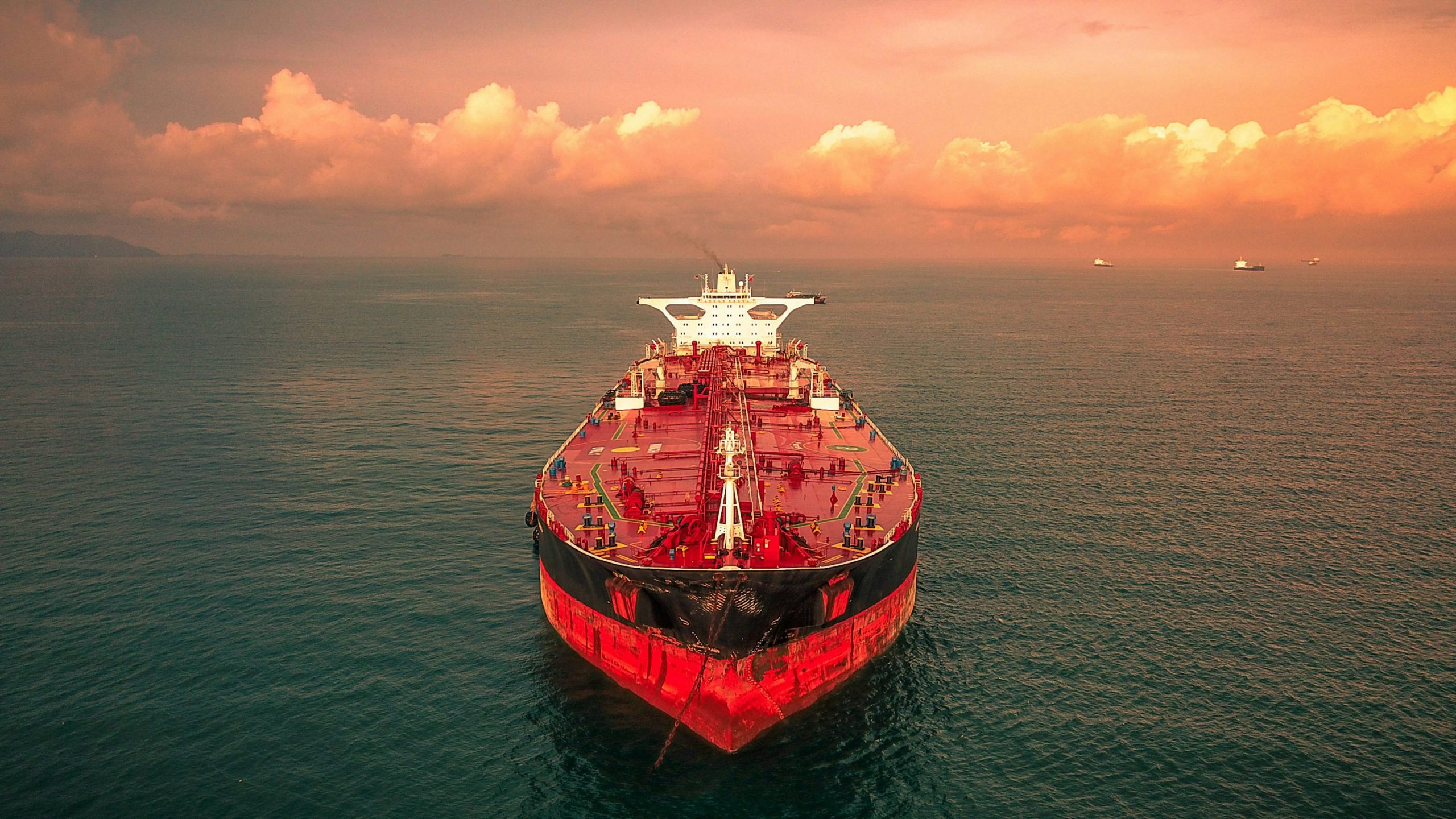
Attacks affecting commercial shipping, higher insurance expenses and uncertainty surrounding major maritime routes continue to complicate global oil movements. The Strait of Hormuz remains particularly important because approximately one-fifth of global crude oil and liquefied natural gas trade passes through the waterway.
OPEC+ added another important element to the market outlook on 4 October when the producer group agreed to maintain its November production targets.
Its next meeting is scheduled for 1 November, meaning markets will continue watching both geopolitical developments and producer policy for signals about future supply.
Why sustained oil prices matter for the EU
The economic consequences of a prolonged Europe energy shock extend beyond motorists filling their vehicles.
Higher diesel and transport costs can affect supply chains, agricultural operations and freight-intensive industries. Businesses may face higher operating expenses, while governments and central banks will watch whether sustained energy costs contribute to broader inflationary pressure.
Europe nevertheless enters the latest disruption with emergency mechanisms available.
The European Commission has said supplies remain stable and emergency stocks are available, reducing the immediate threat of widespread shortages. EU officials are continuing to monitor diesel and jet-fuel markets closely.
What happens next for European energy markets?
Attention will now focus on whether the coordinated G7 emergency-stock release succeeds in easing refined-fuel prices and whether shipping conditions improve.
The G7 has asked the International Energy Agency to monitor implementation and provide a follow-up report within 20 days.
The European Commission’s Oil Coordination Group is also scheduled to meet industry representatives on 15 October, although officials have indicated that an earlier meeting could be convened if market conditions deteriorate.
For Brussels, the immediate challenge is therefore maintaining secure supplies while limiting the economic consequences of persistently expensive oil. The direction of crude prices, refinery output and Middle Eastern shipping conditions will remain central to Europe’s near-term energy outlook.