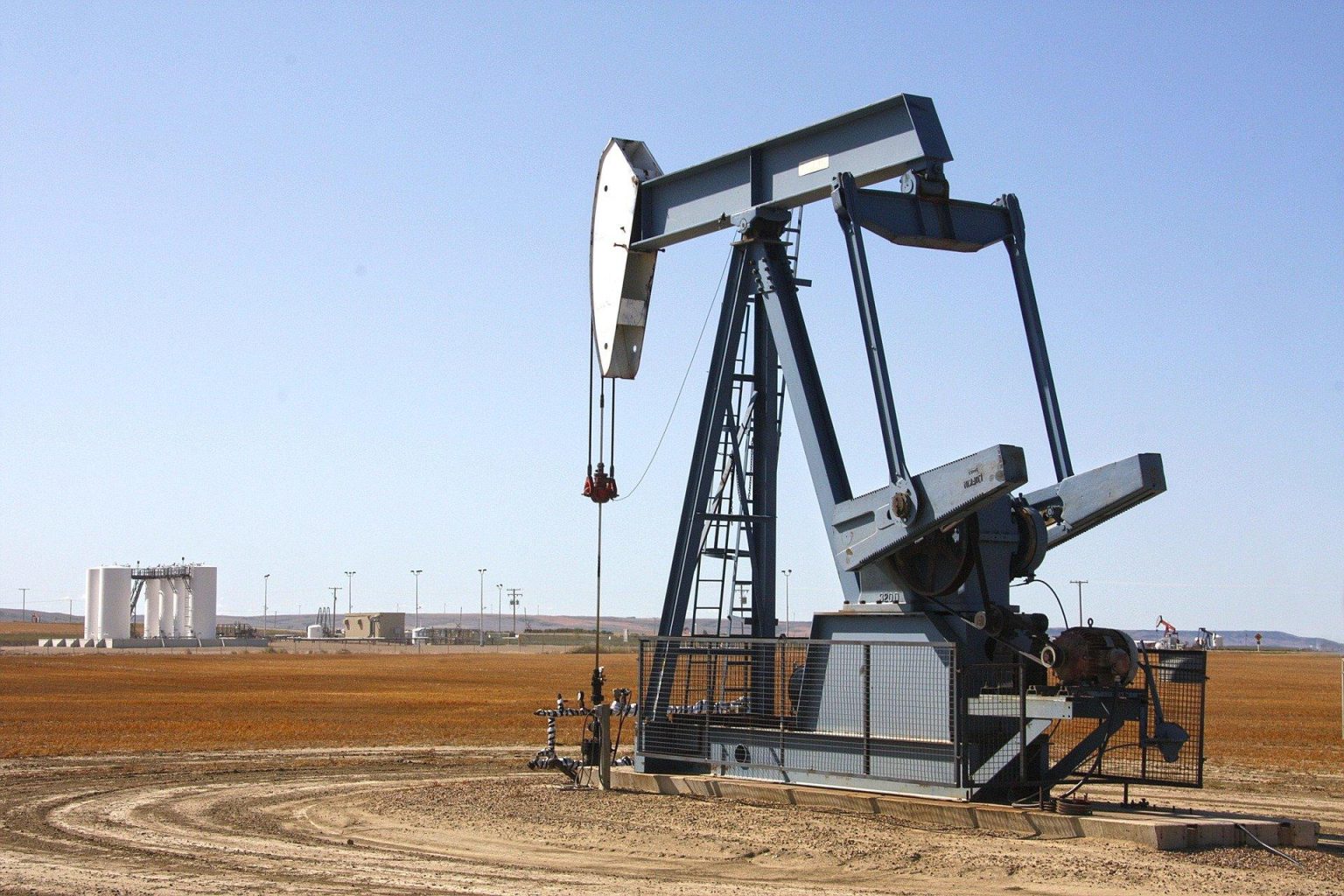
Vienna, 5 October, (Brussels Morning Newspaper) – Seven OPEC+ countries have agreed to keep OPEC+ production targets unchanged for November, maintaining September production levels as geopolitical tensions, attacks on energy infrastructure and risks to international shipping routes continue to create uncertainty across global oil markets.
OPEC+ keeps November production levels unchanged
Saudi Arabia, Russia, Iraq, Kuwait, Kazakhstan, Algeria and Oman met virtually on 4 October to assess global oil-market conditions and the economic outlook.
According to OPEC, the seven participating countries decided to maintain their September 2026 required production levels through November. The decision extends the pause in further production increases after the group also maintained the same levels for October.
The producers had previously been gradually restoring supplies that were removed from the market under voluntary production adjustments. Their latest decision means OPEC+ production targets will remain stable rather than being increased again in November.
The countries also reaffirmed their commitment to the wider Declaration of Cooperation and said they would continue monitoring conformity with agreed production levels.
OPEC highlights threats to energy infrastructure
Supply security was also discussed during the Joint Ministerial Monitoring Committee meeting held on 4 October.
OPEC said the committee stressed the importance of protecting international maritime routes to maintain uninterrupted energy flows. It also expressed concern about attacks on energy infrastructure, noting the potential cost and time required to restore damaged facilities to full operational capacity.
The organisation said disruptions to maritime routes and attacks on infrastructure increase market volatility and undermine efforts to maintain stability for producers, consumers and the global economy.
These risks have become particularly significant as geopolitical tensions in the Middle East affect production, exports and major shipping corridors used to transport crude oil and refined petroleum products.
Supply disruption complicates global oil outlook
The latest decision comes after OPEC+ producers spent months adjusting production policy as they sought to balance available supply against global demand.
The seven producers completed a phased restoration of 1.65 million barrels per day of voluntary reductions with their September production increase before pausing additional increases for October.
However, production quotas do not necessarily translate directly into additional barrels reaching international markets. Conflict, infrastructure damage, export restrictions and shipping disruptions can limit physical supplies even when countries have higher authorised production levels.
That distinction has become increasingly important for governments and businesses assessing the outlook for oil prices and energy security.
Why the OPEC+ decision matters
Maintaining OPEC+ production targets gives the producer alliance additional time to assess rapidly changing market conditions without introducing another planned increase in supply.
For energy-importing countries, continued disruption to oil production or international shipping could maintain pressure on fuel and transportation costs. Higher energy costs can also affect businesses through increased manufacturing, freight and logistics expenses.
For producers, the challenge remains balancing sufficient market supply with price stability while accounting for differences between official production capacity and barrels that can realistically reach international buyers.
OPEC+ is also assessing member countries’ sustainable production capacity as part of preparations for future quota allocations. Conflict-related disruptions make those assessments more complicated because temporary production losses may not accurately represent underlying capacity.
What happens next?
The seven participating countries are scheduled to meet again on 1 November 2026, when they are expected to reassess market conditions and determine production policy for the following month.
The Joint Ministerial Monitoring Committee is separately scheduled to hold its next meeting on 29 November 2026.
Until then, policymakers and energy markets will closely watch actual production levels, compliance with agreed quotas, global demand and developments affecting oil infrastructure and maritime routes. Any future adjustment to OPEC+ production targets will depend on the alliance’s assessment of those evolving market conditions.