Kyiv, Ukraine, 4 October, (Brussels Morning Newspaper) – Ukrainian President Volodymyr Zelenskyy has said Ukraine refinery strikes against Russia will intensify in response to what he described as Moscow’s “new doctrine” of broader air attacks on Ukrainian cities and infrastructure, marking another escalation in the energy dimension of the war.
Zelenskyy told Reuters that Ukrainian intelligence had obtained documents which, he said, indicated Russian President Vladimir Putin had authorised attacks against a wider range of targets ahead of winter. Reuters said it could not independently verify the documents described by the Ukrainian leader.
Why is Ukraine intensifying strikes on Russian refineries?
Zelenskyy said Kyiv intends to respond to Russian attacks on Ukrainian energy infrastructure by increasing pressure on Russia’s own energy sector, particularly oil refineries.
“We have to respond in any way [we can]. With their attacks on our energy, we have to respond on their energy,” Zelenskyy told Reuters, identifying refineries as a priority because of the revenue Russia receives from its oil industry.
The Ukrainian president stressed that Kyiv would not deliberately strike civilian facilities in retaliation.
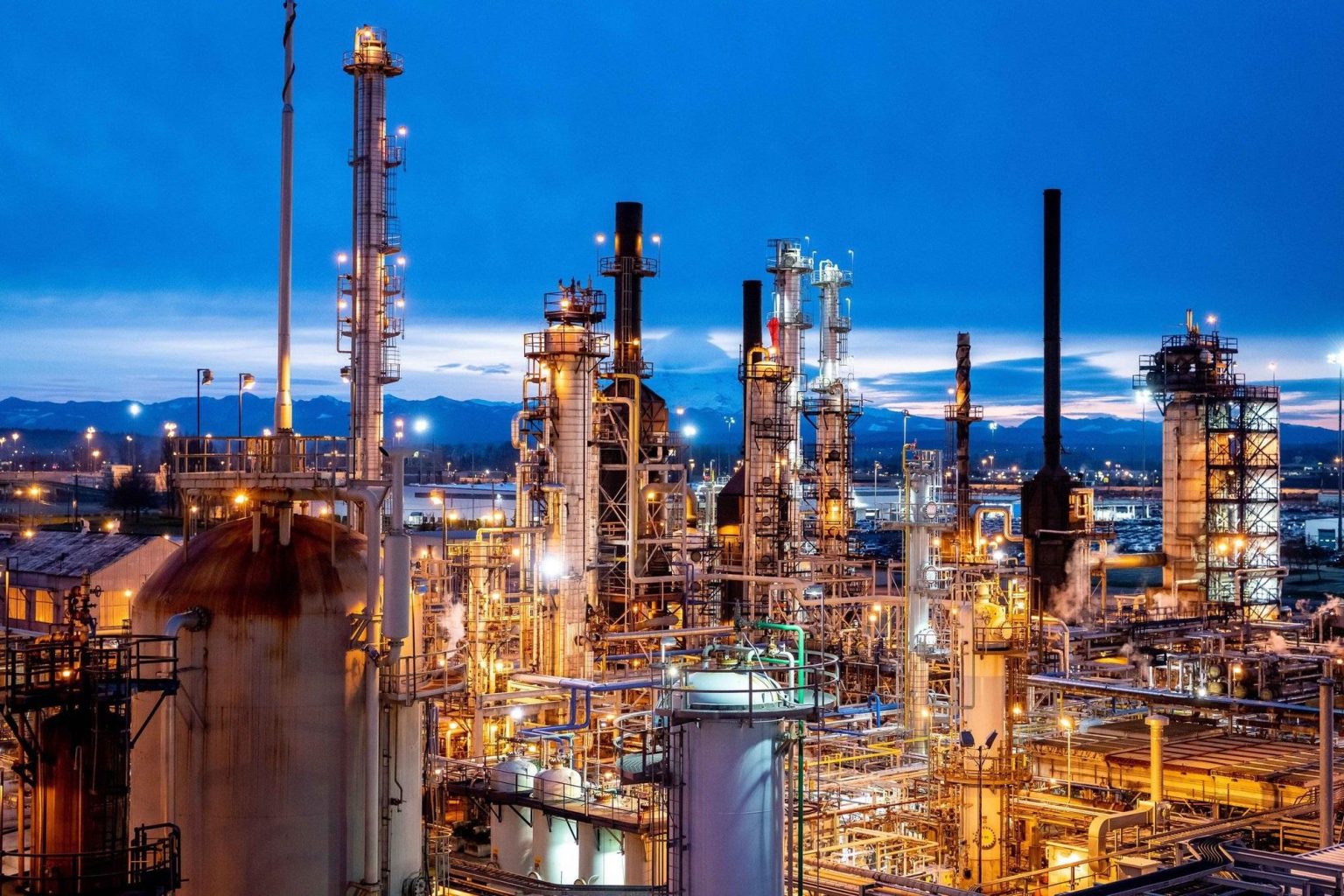
The strategy builds on a campaign of long-range Ukrainian attacks against Russian oil-processing facilities. In August, for example, Ukraine’s military said it struck the Ilsky and Syzran refineries, while Russian regional authorities reported a fire at Ilsky following a drone attack.
What does Zelenskyy mean by Russia’s ‘new doctrine’?
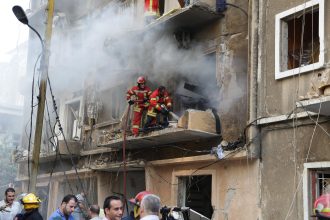
According to Zelenskyy, the documents obtained by Ukrainian intelligence showed Russian forces being permitted to attack infrastructure, logistics networks, roads, schools and hospitals as part of an effort to increase pressure on residents of Kyiv and other cities. That description remains a Ukrainian claim and has not been independently verified.
Russia denies deliberately targeting civilians. Moscow has characterised its recent attacks as retaliation for Ukrainian strikes inside Russia and has said its operations are directed at targets connected to Ukraine’s military capabilities. Both sides deny intentionally attacking civilians.
How are Russian air attacks affecting Kyiv?
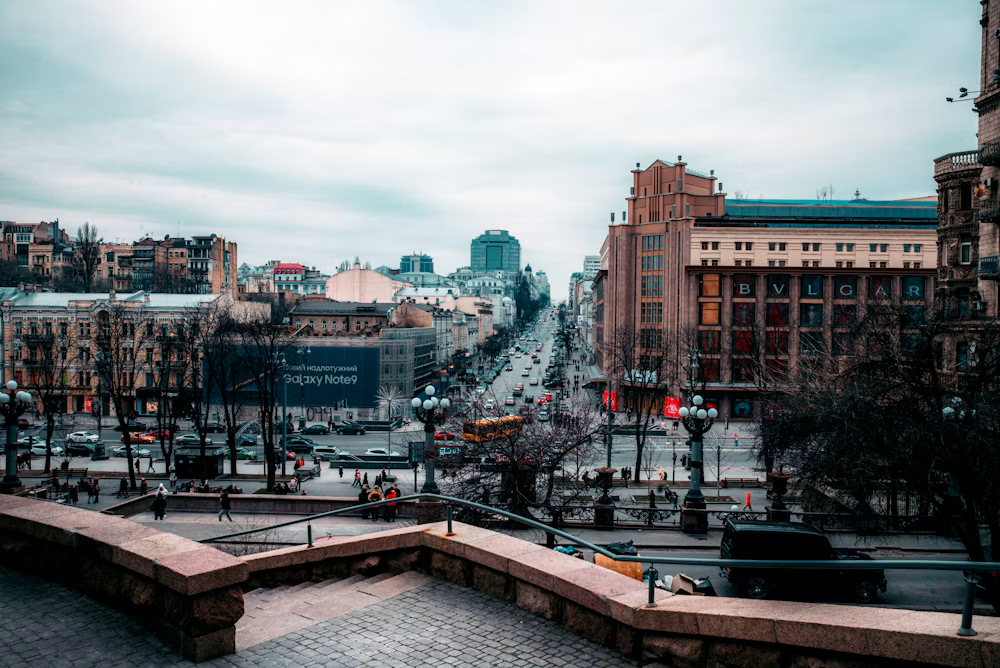
The warning comes as Kyiv faces sustained Russian drone and missile attacks against energy, telecommunications and transport infrastructure.
Russia has also targeted bridges across the Dnipro River linking eastern and western parts of the Ukrainian capital, according to recent reporting. Moscow has pledged to continue strikes it describes as retaliatory.
The approaching winter makes attacks against electricity, heating and transport infrastructure particularly significant. Ukrainian officials have warned that Russia has accumulated hundreds of ballistic missiles for potential winter operations.
Why do Russian oil refineries matter to Ukraine?
Oil remains strategically important to the Russian economy and the Kremlin’s ability to finance government expenditure during the war.
Kyiv argues that attacking refining capacity can disrupt fuel supplies and reduce the economic benefits Russia receives from its energy industry. The Ukraine refinery strikes have therefore become an increasingly prominent part of Kyiv’s long-range military strategy.
However, the campaign has also generated concern in Washington. US President Donald Trump urged Ukraine last month to refrain from attacks on Russian oil installations, arguing that they were contributing to higher global diesel prices.
What is happening on the Donbas frontline?
Alongside the energy campaign, Zelenskyy said Ukraine’s continuing counteroffensive, known as Operation Vivaldi, had regained roughly 125 to 140 square kilometres of territory.
Ukraine’s presidential office separately reported on 30 September that Ukrainian forces had regained control of 176 square kilometres since the broader offensive began, indicating that the figures may refer to different measurements or stages of the operation.
Battlefield claims from either side of the conflict can be difficult to verify independently in real time.
What happens next in the Russia-Ukraine war?
Zelenskyy said he had received no indication that Moscow was prepared to negotiate an energy ceasefire, despite renewed US efforts to revive negotiations.
Washington has proposed further trilateral technical discussions involving the United States, Ukraine and Russia, although an exact date and location have not been confirmed.
Meanwhile, European governments remain closely involved. German Chancellor Friedrich Merz arrived in Kyiv on 4 October for talks that included military assistance, energy infrastructure support and expanded cooperation on drone technology.
The immediate focus for Kyiv is likely to remain protecting its electricity and heating systems while strengthening air defences. Zelenskyy’s latest remarks make clear that Russian energy infrastructure — particularly oil refineries — will remain an important target as Ukraine responds to Moscow’s intensified air campaign.