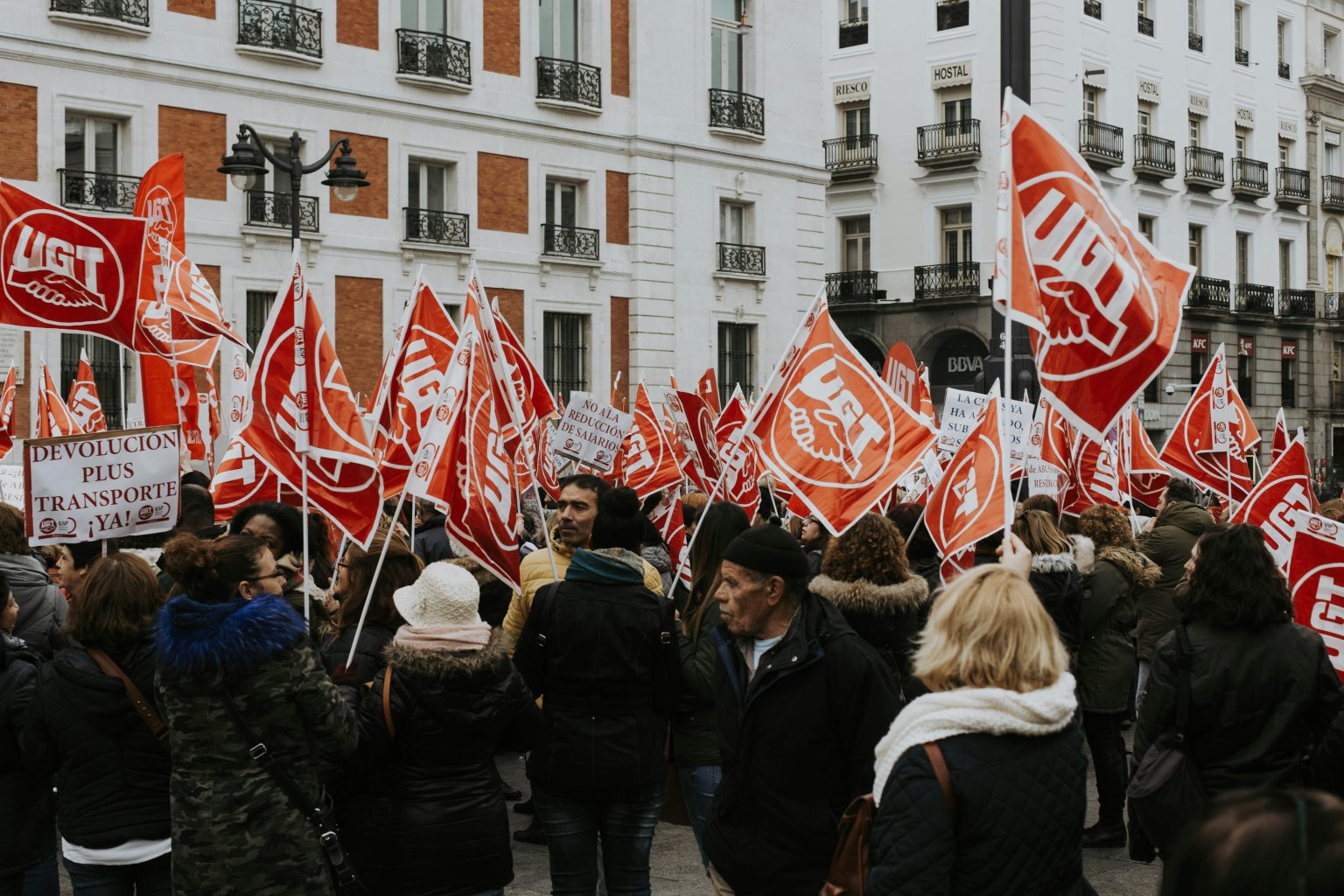
Madrid, Spain, 4 October, (Brussels Morning Newspaper) – Tens of thousands of people have taken to the streets across Spain, intensifying pressure on Prime Minister Pedro Sánchez’s government and opposition parties to tackle the Spain housing crisis after parliament rejected two emergency housing decrees.
Demonstrations were held in Madrid and around 50 other Spanish cities on Saturday, 3 October. The Spanish government estimated that about 70,000 people joined the Madrid demonstration, while organisers put attendance at roughly 500,000. The competing estimates have not been independently reconciled.
Madrid protest puts housing policy under pressure
Protesters demanded more affordable housing, greater security for tenants and stronger protections against eviction. Some demonstrators also backed calls for a general strike as frustration over housing costs and access to affordable homes continued to grow.
The demonstrations were largely peaceful across the country. In Valencia, however, police used tear gas and rubber bullets after unrest broke out, while protesters entered the City of Arts and Sciences before being removed. Planned demonstrations in Barcelona and L’Hospitalet de Llobregat were cancelled because of heavy rain.
Parliament rejects two emergency housing decrees
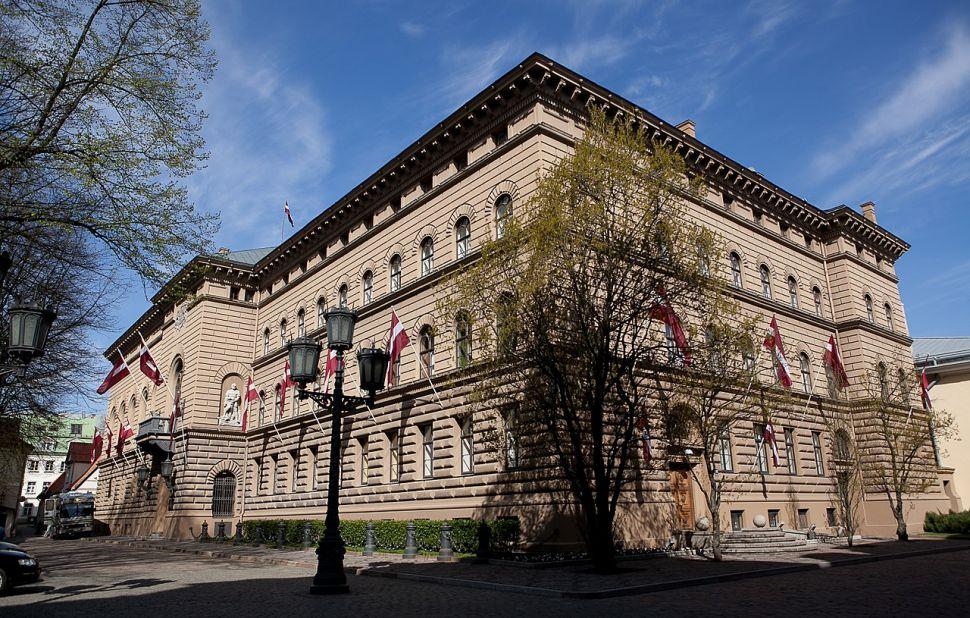
The protests came immediately after Spain’s Congress of Deputies rejected two royal decree-laws introduced by the Sánchez government.
Official records published in Spain’s Official State Gazette confirm that Congress repealed Royal Decree-Law 26/2026, which contained measures covering the social function of housing, protections for vulnerable households and affordable housing supply. Parliament also repealed Royal Decree-Law 27/2026, which was designed to strengthen the stability of residential rental contracts.
Among the provisions in the first decree were an extraordinary extension mechanism for qualifying residential leases and limits on certain annual rent increases. The legislation also addressed evictions involving vulnerable people without alternative accommodation.
Elderly woman’s eviction becomes rallying point
Public anger intensified after 87-year-old Maricarmen Abascal was evicted from the Madrid home where she had lived for around seven decades. Her case became a prominent symbol of the country’s wider affordability and tenant-security problems and helped trigger days of demonstrations and protest camps.
Valeria Racu, a spokesperson for the Tenants’ Union, said the protests had generated “a new energy that we haven’t seen in a long time”. The organisation has indicated that it plans to discuss the possibility of a general strike with trade unions.
Why Spain’s housing crisis matters across Europe
Spain’s housing pressures reflect challenges also facing other European cities, where affordability, limited housing supply, tourism demand and the security of private renters have become increasingly prominent political issues.
For Brussels and EU policymakers, developments in Spain provide another example of the pressure national governments face as housing affordability moves higher on Europe’s political agenda.
The latest demonstrations also create an immediate challenge for Sánchez’s minority coalition because its proposed measures cannot remain in force following their rejection by Congress. The official gazette confirms both decrees were repealed on 2 October.
What happens next for Spain’s housing policy?
Pressure is now on the government and parliamentary parties to determine whether alternative legislation can secure sufficient support in Congress.
Spanish media have reported speculation about a possible early election, but Sánchez’s office had not confirmed such a move in the latest reporting. Any election timetable therefore remains unconfirmed.
Meanwhile, tenant organisations are considering their next steps after the nationwide demonstrations. With two emergency decrees defeated and protesters demanding further action, the Spain housing crisis is set to remain a major political and social issue for the Sánchez government.