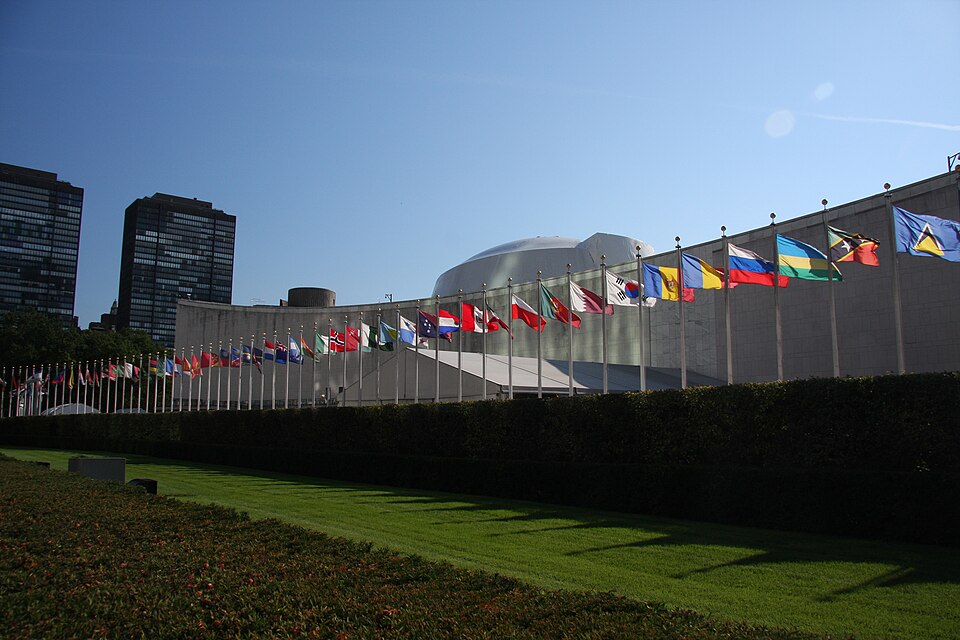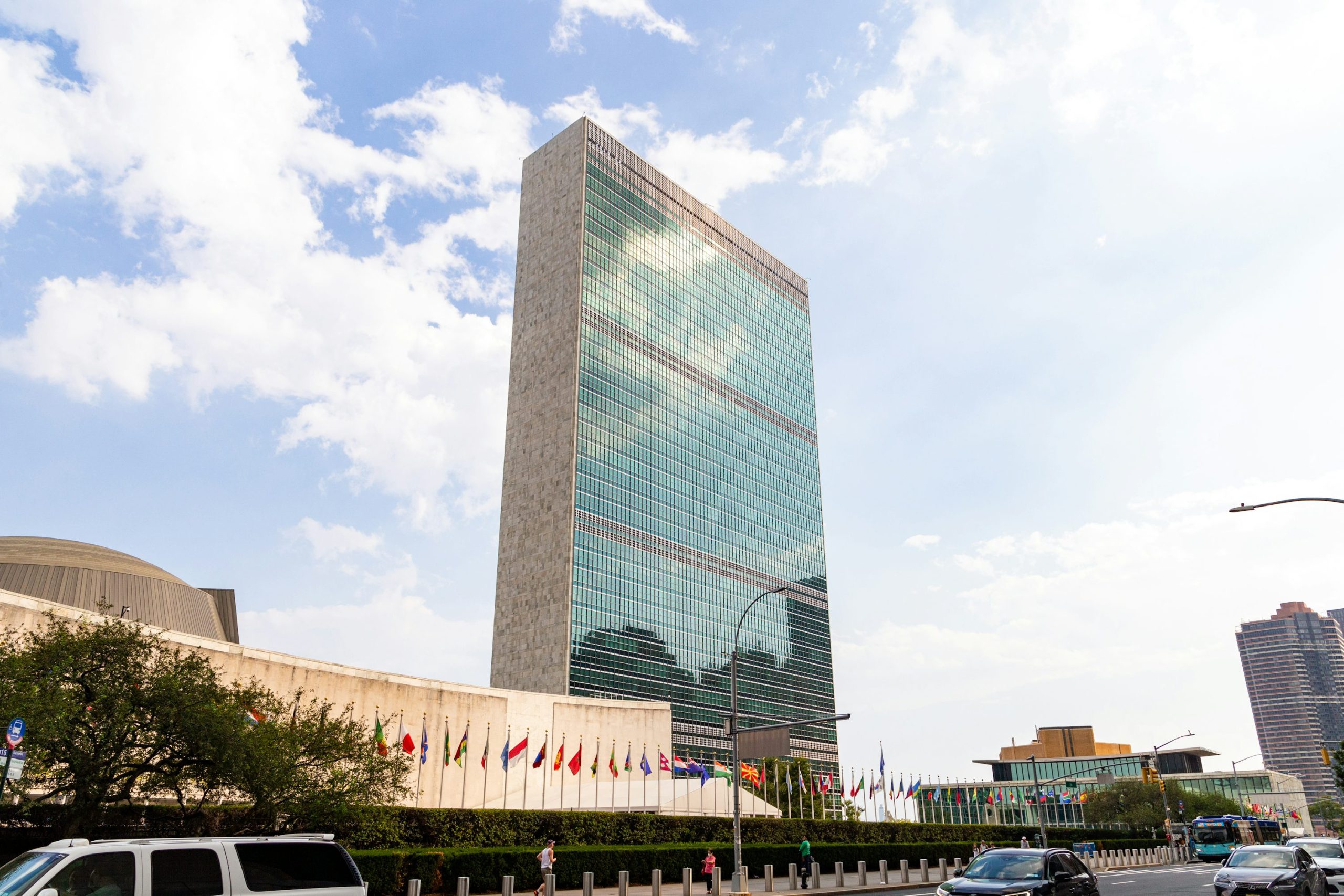
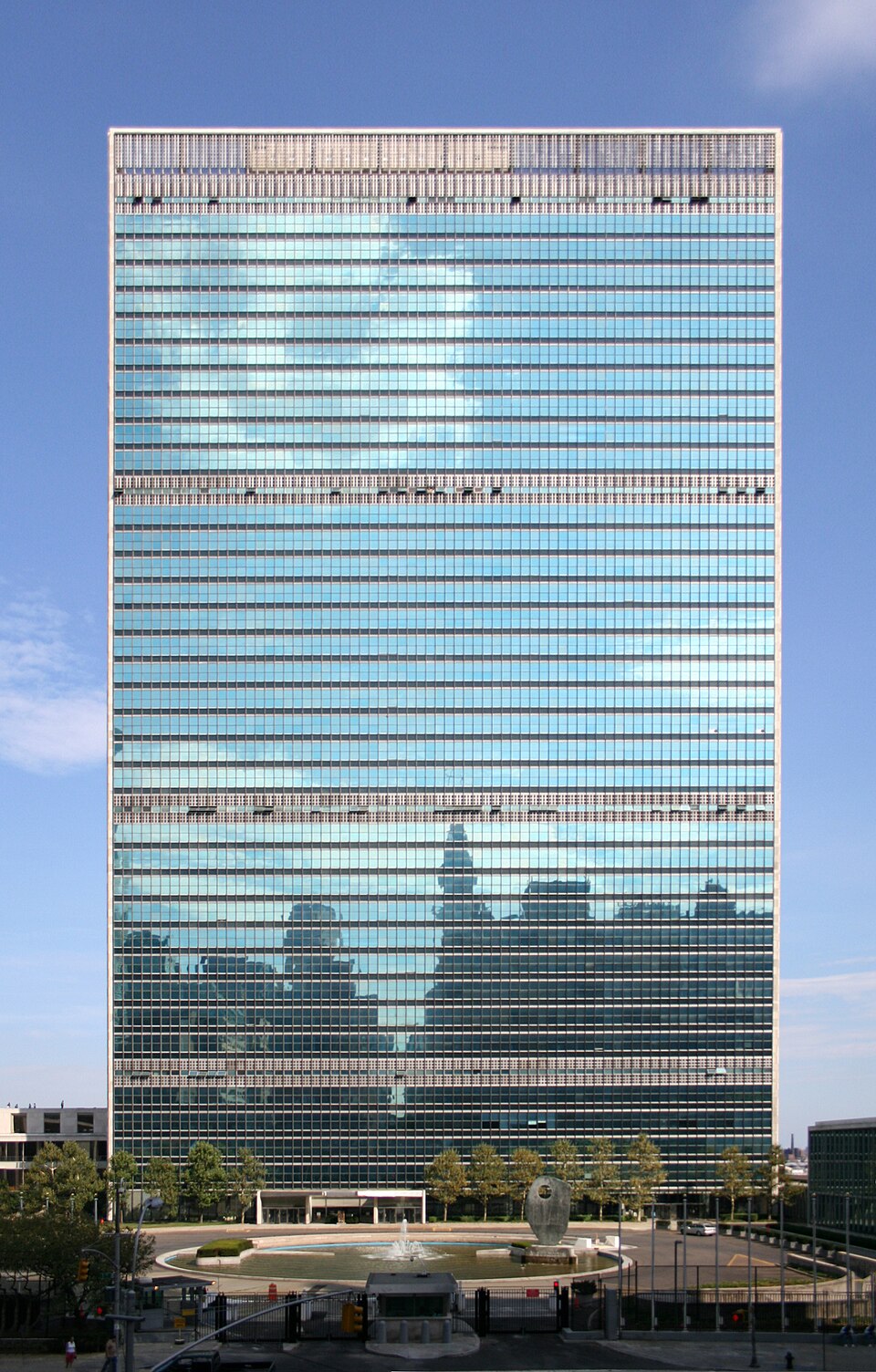
New York, 23 September, (Brussels Morning Newspaper) – United Nations Secretary-General António Guterres has warned that humanity faces four tests of power involving war and peace, inequality, climate change and artificial intelligence, saying decisions made by governments now could determine whether the world enters a period of stronger cooperation or deeper division. Guterres delivered the warning on Tuesday as he addressed the opening of the General Debate of the 81st UN General Assembly in New York.
Guterres outlines four tests of power
Guterres presented the challenges as connected tests of how political, economic and technological power is exercised.
“The faultlines in our world are widening,” he said, adding: “Cracks have become canyons.”
The Secretary-General said power itself is changing as new state powers emerge, corporations and individuals gain greater influence, and artificial intelligence and autonomous weapons increasingly affect decisions previously made by humans.
His speech came with roughly 100 days remaining before his term as UN Secretary-General ends on 31 December. Reuters reported that Tuesday’s speech was his final annual General Assembly address as Secretary-General.
Wars and international law remain a central concern
Guterres placed war and peace at the centre of his warning, arguing that international rules are being weakened as conflicts continue and civilians and humanitarian workers face mounting dangers.
He addressed ongoing conflicts including Gaza and Ukraine and called for adherence to international law and the principles of the UN Charter. Reuters reported that he also appealed for de-escalation in the Middle East and stressed the need to protect humanitarian assistance and navigational rights.
The UN chief’s broader message was that lasting peace depends on institutions capable of restraining the exercise of power through international law.
Climate change and inequality test global cooperation
Economic inequality formed another part of Guterres’s warning. He argued that wealth and influence remain heavily concentrated while many countries face economic pressures and limited resources to finance development.
Climate change was identified as another defining test. Guterres called for greater accountability for major polluters and stronger international action as governments confront rising temperatures and environmental disruption.
Artificial intelligence raises new global risks
Guterres devoted particular attention to AI, warning about increasingly autonomous systems and calling for binding international cooperation on governance.
He stressed that decisions involving human life must remain under human control, with the UN highlighting his warning that “life-and-death decisions must never be handed to machines”.
The issue is moving directly onto the UN security agenda. The Security Council is due to discuss AI and international security on Wednesday, with representatives from leading technology companies expected to participate.
UN reform remains part of Guterres’s final agenda
Guterres also renewed his push for institutional reform, including changes to the Security Council. He described the lack of permanent African representation as “indefensible”.
His four tests of power now provide a framework for his final months in office as world leaders continue the General Assembly debate in New York.