Brussels, 22 September, (Brussels Morning Newspaper) – Ukraine has warned European Union governments against politically driven EU sanctions delistings as member states hold last-minute negotiations over restrictions on about 2,600 individuals and entities linked to Russia’s war against Ukraine. The dispute centres on proposals to remove businessmen Alisher Usmanov and Mikhail Fridman from the blacklist while securing a longer renewal of the wider sanctions regime.
Key points: EU ambassadors are trying to secure the unanimity required to renew the restrictions; Ukraine says sanctions should not be eased for political reasons; France has sought Usmanov’s removal, while a proposed compromise would also remove Fridman; and Latvia has opposed the deal.
Ukraine warns against EU sanctions delistings
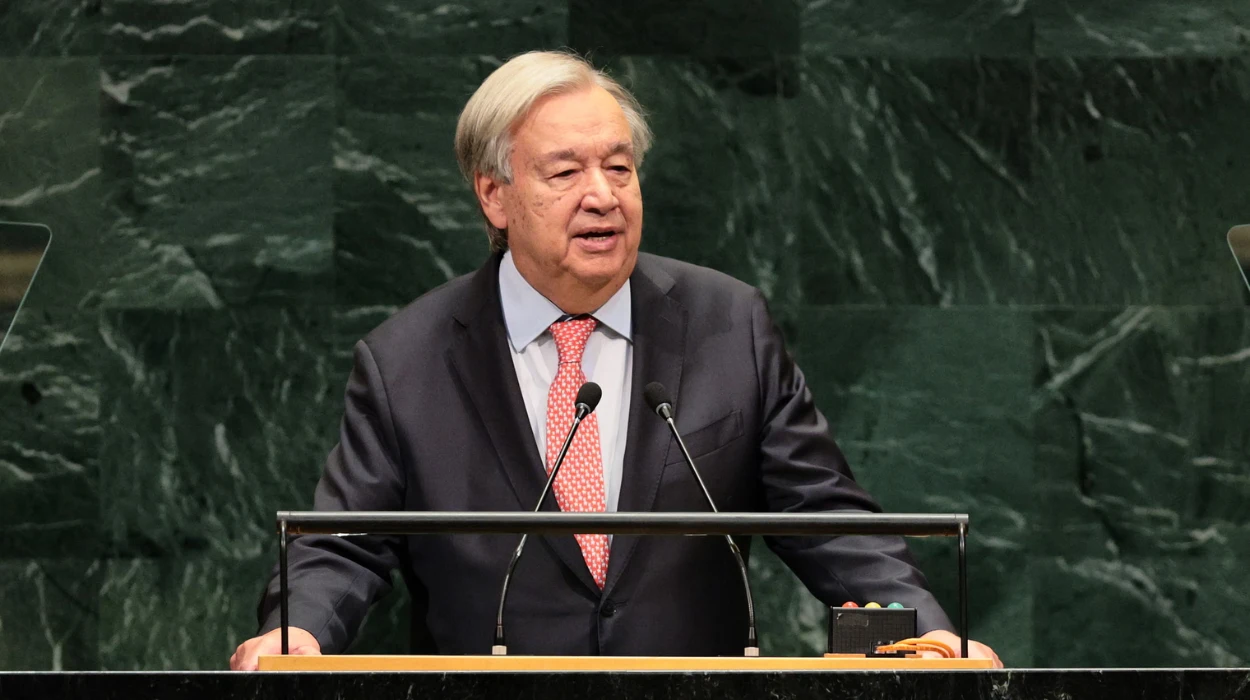
Ukrainian Deputy Prime Minister for European and Euro-Atlantic Integration Vsevolod Chentsov told Euronews on Tuesday that Kyiv opposed removing sanctioned individuals for political considerations.
“We are definitely against political de-listings,” Chentsov said.
He added that Ukraine expected the EU “to keep the unity” and continue its sanctions regime. Chentsov also said Russia must take “real, concrete” steps towards peace before the bloc considers “any easing of sanctions”.
Ukraine’s Foreign Minister Andrii Sybiha issued a separate warning as negotiations intensified.
“What has changed? Nothing. Delisting is unacceptable and would send the wrong signal to Moscow at a time when pressure needs to increase,” Sybiha said.
Latvia blocks proposed sanctions compromise
Latvia has opposed a compromise that would remove Usmanov and Fridman while extending the wider sanctions regime for 36 months. EU sanctions of this type require unanimity among all 27 member states.
Latvian Prime Minister Andris Kulbergs said: “As long as Russia continues the war, Europe’s pressure must become stronger, not more convenient for the Kremlin.”
France has pushed for Usmanov’s delisting in connection with efforts involving two French nationals imprisoned in Azerbaijan. Luxembourg has sought Fridman’s removal, according to reports on the negotiations. Both businessmen have challenged EU sanctions against them.
EU sanctions cover about 2,600 targets
The Council of the EU said in March that its individual restrictive measures applied to about 2,600 people and entities. They include asset freezes, travel restrictions for listed individuals and a prohibition on making funds or other economic resources available to them.
Those measures were originally renewed until 15 September. The expiry was subsequently postponed for one week while diplomats attempted to resolve the latest disagreement.
EU ambassadors continue negotiations
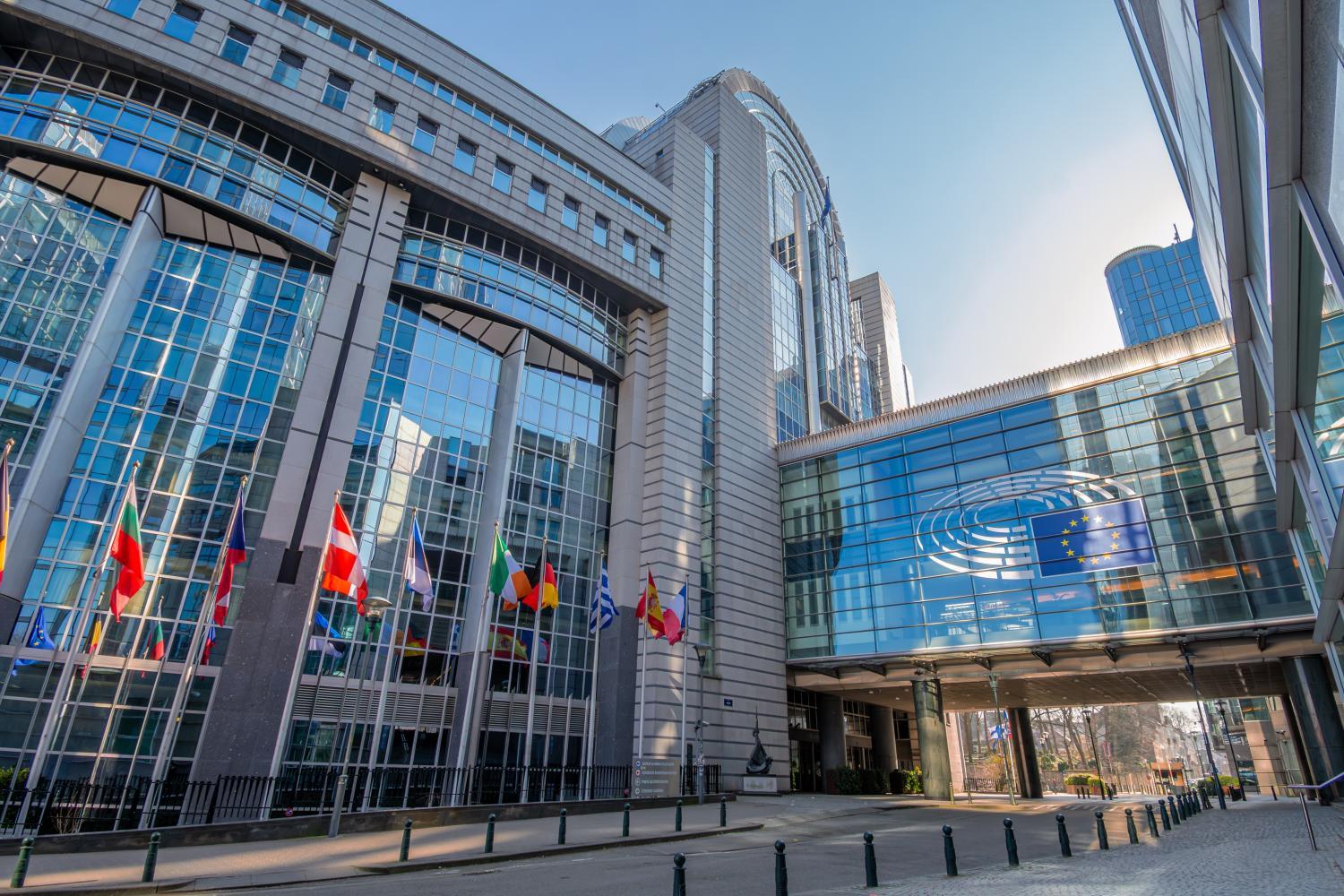
EU ambassadors returned to negotiations on Tuesday after failing to reach agreement late on Monday. Latvia remained opposed to the proposed compromise, while France maintained its position on Usmanov.
The immediate task is to secure unanimous agreement on the individual sanctions regime. Ukraine’s intervention puts additional attention on whether any removals are based on the grounds for individual listings or form part of broader political negotiations as EU governments seek to maintain a common sanctions policy towards Russia.