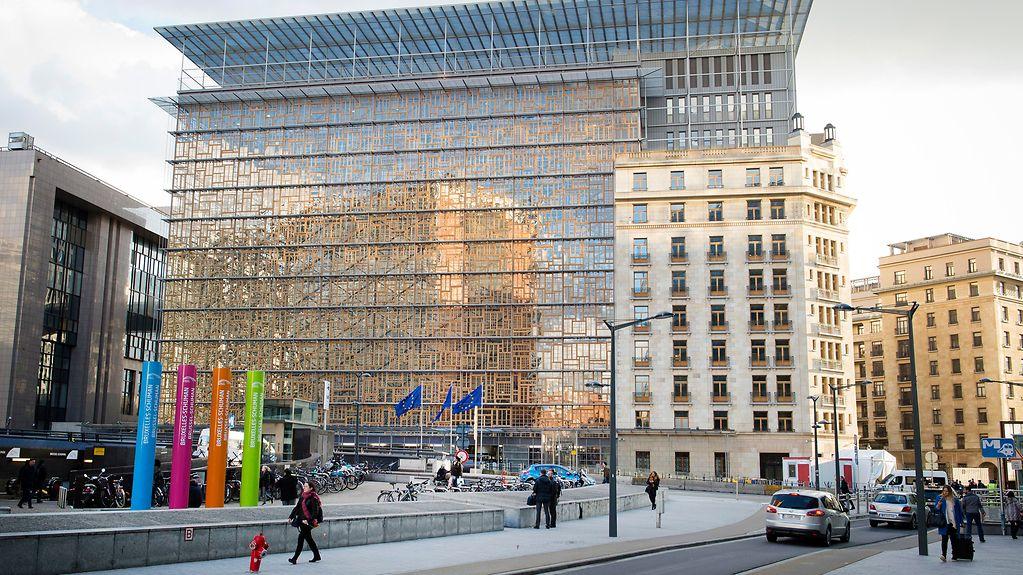
Brussels, Belgium, 22 September, (Brussels Morning Newspaper) – European Union ambassadors are holding negotiations in Brussels on Tuesday over the renewal of sanctions against Russia-linked individuals and organisations, with governments seeking unanimous agreement before the current measures expire. The EU Russia sanctions talks have focused on a proposed compromise involving billionaires Alisher Usmanov and Mikhail Fridman while retaining restrictions on roughly 3,000 other people and entities.
EU Russia sanctions talks focus on renewal deal
The EU’s targeted sanctions include asset freezes, travel restrictions and prohibitions on making funds available to listed individuals and entities. The Council of the EU says the measures were most recently extended until 22 September 2026.
EU ambassadors were due to resume negotiations in Brussels on Tuesday morning after failing to finalise an agreement on Monday. The proposed arrangement would remove Usmanov and Fridman from the sanctions list while extending measures against approximately 3,000 other Russia-linked individuals and organisations for three years, according to diplomats cited by Reuters.
Any agreement requires unanimity among the EU’s 27 member states.
Latvia opposes proposed sanctions compromise
Latvia has publicly challenged the proposed arrangement.
Latvian Prime Minister Andris Kulbergs said on Tuesday that his government could not accept removing Usmanov and Fridman in return for maintaining sanctions against the broader group. Latvia’s opposition adds another obstacle to reaching the unanimous agreement required for renewal.
France and Luxembourg have been among the countries pushing for changes involving the two businessmen, according to Reuters. Both men have challenged EU sanctions through legal proceedings.
Kaja Kallas calls for sanctions to continue
EU foreign policy chief Kaja Kallas has urged member states to preserve sanctions against Moscow as negotiations continue.
“Sanctions are a core pillar of our response to Russia’s war,” Kallas told reporters following a meeting of EU foreign ministers in New York, adding that the measures are intended to restrict Moscow’s access to funding.
The EU has continued expanding its wider sanctions regime this year. In July, the Council adopted its 21st package, adding 218 individual and entity listings and introducing further measures targeting Russian energy, financial services, cryptocurrency operations and the military-industrial sector.
Russia sanctions remain central to EU policy
The targeted listings being negotiated in Brussels are separate from the EU’s broader sectoral economic sanctions. In June, the Council renewed those economic restrictions for another year, until 31 July 2027. They cover areas including trade, finance, energy and dual-use technology.
The distinction means Tuesday’s negotiations do not determine the future of every EU restriction against Russia, but they are important for maintaining sanctions against thousands of designated individuals and organisations.
EU ambassadors seek agreement before deadline
Negotiations are continuing as diplomats attempt to resolve objections before the targeted measures expire. Coreper II, which brings together EU member states’ permanent representatives, scheduled renewed talks for Tuesday with the stated aim of finalising an agreement.
A final renewal requires support from all 27 governments. Until that agreement is reached and formally adopted, the proposed removal of Usmanov and Fridman and the longer renewal of the remaining listings remain under negotiation rather than confirmed EU policy.