
Harrisburg, Pennsylvania, 17 September , (Brussels Morning Newspaper) – Pennsylvania is seeking emergency assistance from the US Centers for Disease Control and Prevention as the Pennsylvania measles outbreak continues to spread, with 731 confirmed cases reported across 38 counties.
The request comes amid a disagreement between Pennsylvania health officials and federal authorities over four deaths that the state has classified as measles-associated. Pennsylvania Health Secretary Dr Debra Bogen has told the CDC that recognising and accurately reporting those deaths is important to the state’s response.
Pennsylvania recorded 38 additional cases between 14 and 16 September, according to the state Department of Health. The outbreak has resulted in 141 hospitalisations and four measles-associated deaths so far this year.
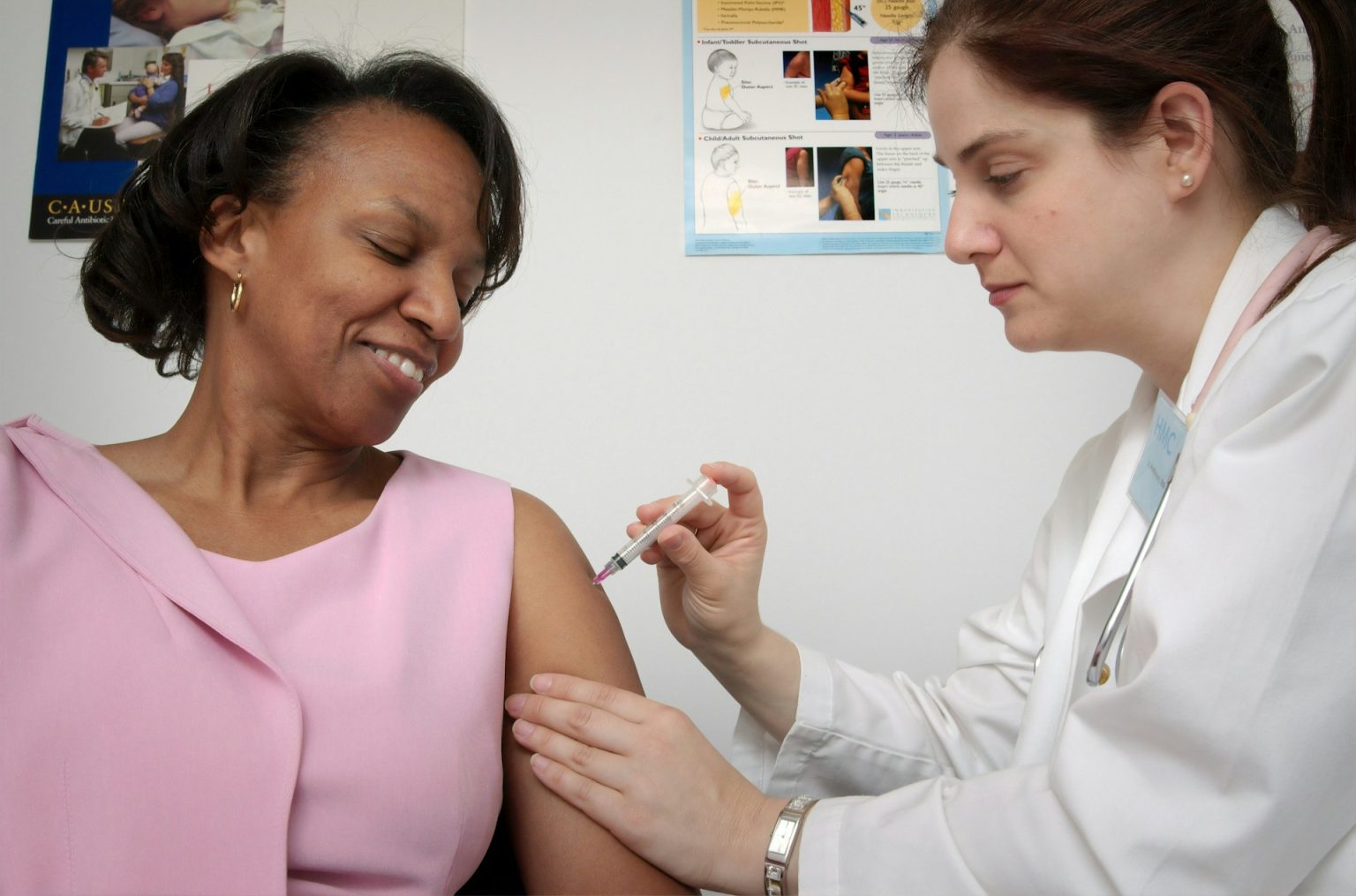
The vaccination figures have also drawn attention from health officials. Of the state’s 731 confirmed cases, only four involved people considered appropriately vaccinated for their age, according to Pennsylvania’s latest figures.
The state says two doses of the measles, mumps and rubella vaccine are about 97% effective at preventing measles.
Pennsylvania turns to CDC for additional help
Pennsylvania is seeking what the CDC calls an Epi-Aid, which allows federal epidemiologists and other specialists to assist state and local authorities with urgent public-health investigations.
The move marks a change in Pennsylvania’s approach after state officials had previously said they had sufficient resources to respond to the outbreak.
In a letter to CDC Director Dr Erica Schwartz reported by Reuters, Bogen said the federal agency’s handling of Pennsylvania’s deaths was affecting the state’s efforts to communicate the seriousness of the outbreak.
“The CDC’s choice not to publicly recognize the deaths undermines our response,” Bogen wrote.
She also said Pennsylvania would “respectfully rescind our request for a CDC Epi-Aid” if the federal agency could not transparently and accurately communicate information about the deaths.
The disagreement follows earlier reporting by Reuters that US Health Secretary Robert F. Kennedy Jr. questioned whether the Pennsylvania deaths should be included in the CDC’s national measles figures. Pennsylvania health officials have continued to classify the four fatalities as measles-associated.
The CDC had not immediately responded publicly to Pennsylvania’s latest request when Reuters reported the development.
State officials warn measles can become serious
Pennsylvania’s outbreak comes after decades in which many residents had little direct experience with measles.
When the state announced its first two measles-associated deaths in August, Bogen said that long-term success in controlling the disease had left many people unfamiliar with its potential consequences.
“Because measles was largely eliminated in the Commonwealth for more than three decades, people are not familiar with this disease and don’t fully understand the potential severity of the illness,” Bogen said.
Those were Pennsylvania’s first measles-associated deaths in 35 years, according to the Department of Health.
Measles is highly contagious and spreads through the air when an infected person coughs or sneezes. Serious complications can include pneumonia and inflammation of the brain, while some patients require hospital treatment.
The Pennsylvania measles outbreak is also unfolding against a broader resurgence of measles in the United States. The country declared measles eliminated from continuous domestic transmission in 2000, although imported infections and subsequent outbreaks have continued to occur.
Dispute could shape the federal response
Pennsylvania’s request now puts the CDC in the position of deciding how it will respond both to the state’s call for additional expertise and to its demand concerning the four deaths.
For state health officials, the disagreement is more than a statistical question. Mortality and hospitalisation figures are used to explain the risks of infectious diseases and can influence how seriously communities respond to vaccination and other public-health recommendations.
Pennsylvania authorities are continuing surveillance, vaccination efforts and public updates while the request for federal assistance is considered.
With 731 confirmed cases and 141 hospitalisations already recorded, the immediate priority remains limiting further transmission. The next significant development will be the CDC’s response to Pennsylvania’s Epi-Aid request and whether the federal agency changes how it reports the state’s four measles-associated deaths.