London, 4 September (Brussels Morning Newspaper) – Britain’s construction sector contracted for a 20th consecutive month in August as a sharp deterioration in housebuilding outweighed modest improvements elsewhere in the industry. The latest UK construction PMI fell to 44.3, signalling that the sector remains under significant pressure.
The S&P Global UK Construction Purchasing Managers’ Index declined from 44.7 in July and came in below the 45.5 reading expected in a Reuters poll of economists. A figure below 50 indicates declining activity, while anything above 50 represents expansion.
Why is UK construction struggling despite wider economic growth?
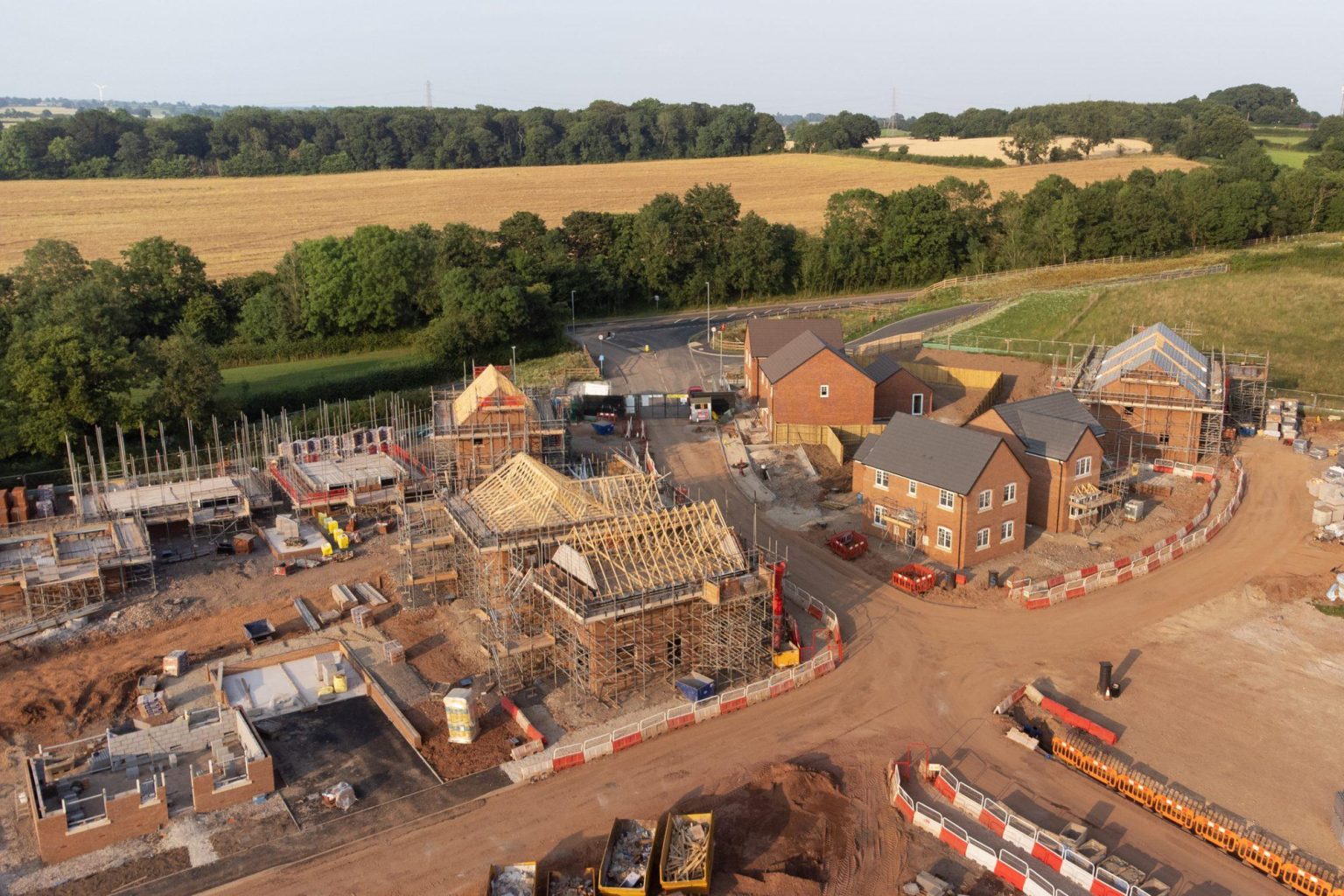
Housebuilding was the weakest-performing part of construction during August, with residential activity deteriorating sharply. Commercial construction and civil engineering performed somewhat better, with their respective measures improving slightly, according to the S&P Global survey.
Tim Moore, economics director at S&P Global Market Intelligence, said: “Sluggish demand conditions and low client confidence” were among the factors contributing to lower workloads. He also cited anxiety about the impact of the Middle East conflict.
Employment remained under pressure as construction companies continued to reduce their workforces. However, the pace of job losses was the slowest recorded since September 2025, providing one comparatively positive signal from the latest survey.
There was also some easing of cost pressure. The PMI measure tracking input prices dropped to its lowest level since February.
The construction weakness contrasts with stronger conditions elsewhere in the British economy. S&P Global’s all-sector PMI, combining manufacturing, services and construction, increased from 51.6 in July to a six-month high of 51.8 in August. Separately, the services PMI reached 52.5, its strongest reading since April.
What does weak housebuilding mean for the Government?
The continued housing downturn presents a challenge for the Government as it seeks to increase the supply of homes, including social housing. The latest UK construction PMI suggests that subdued demand and low client confidence remain substantial obstacles to a sustained recovery in residential building.
The survey findings also follow weak official construction figures. Construction output in June was 2.3% lower than a year earlier, according to data cited by Reuters.
Persistent weakness matters beyond construction companies themselves. A prolonged residential slowdown can affect developers, contractors, suppliers and workers while making it more difficult to increase the number of homes available.
What happens next for Britain’s construction sector?
Attention will now turn to whether improving commercial and civil engineering activity can broaden into a more sustained construction recovery.
S&P Global is scheduled to publish the next UK Construction PMI on 6 October. Until housebuilding stabilises, however, the construction sector is likely to remain a weak spot compared with other areas of the UK economy.