Geneva, Switzerland, 3 September (Brussels Morning Newspaper) – El Niño impacts is forecast to become a very strong climate event and reach its peak towards the end of the year, with its effects on global temperatures and rainfall potentially continuing into 2027, according to the World Meteorological Organization (WMO).
Exceptionally warm waters across the tropical Pacific are fuelling the event. The WMO says there is an unusually high likelihood that El Niño conditions will persist through February 2027, increasing the importance of early warnings and regional weather preparation.
Why is El Niño growing so strong?
El Niño develops when waters across the central and eastern equatorial Pacific become substantially warmer than normal. That heat affects atmospheric circulation, which can disrupt established rainfall and temperature patterns around the world.
The WMO reported that temperatures in the Niño 3.4 region averaged about 2°C above normal in July, while subsequent weekly readings reached roughly 2.2°C to 2.6°C above average. In parts of the Pacific, subsurface temperatures were more than 8°C above normal during July and early August.
UN Secretary-General António Guterres warned:
“El Niño is being supersized before our eyes.”
The unusually warm ocean conditions are expected to support further strengthening before the event reaches its anticipated peak late in 2026.
What could people face in the coming months?
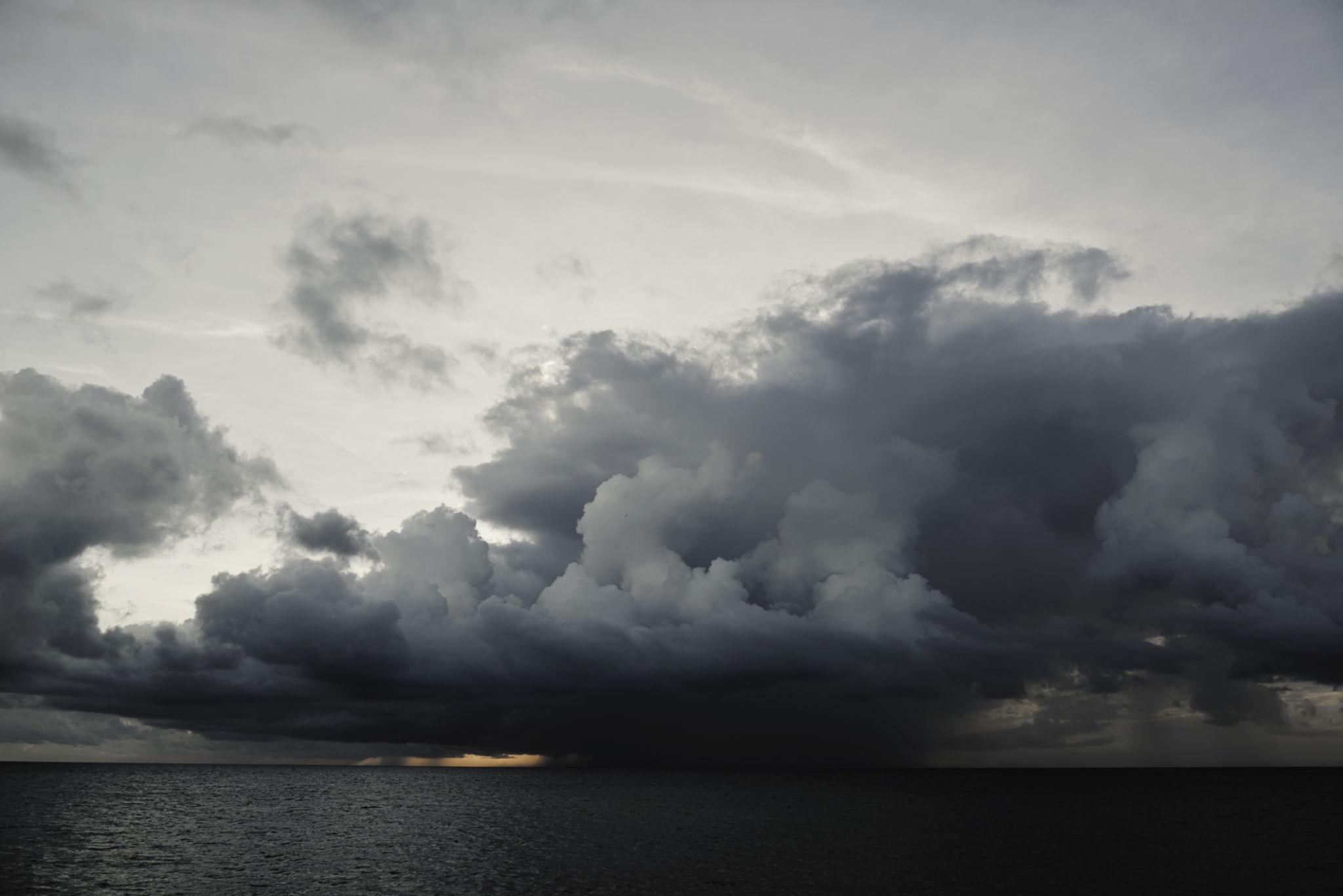
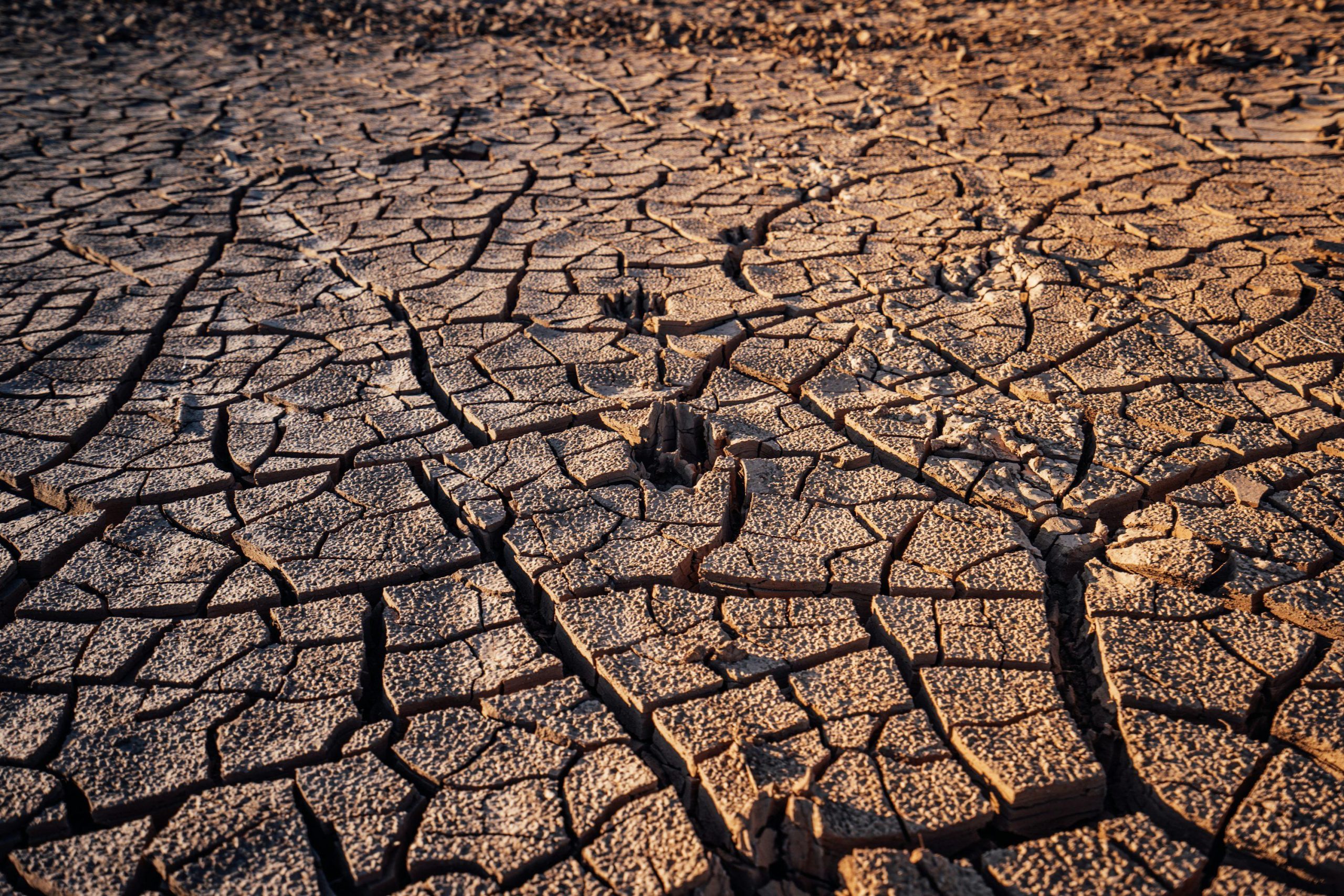
A powerful El Niño impacts an increase the risk of extreme heat, drought and heavy rainfall, although its effects vary significantly between countries.
The WMO’s outlook for September to November indicates a greater likelihood of above-normal temperatures across almost all land areas. Changes in rainfall could also affect agriculture, water supplies, energy production and public health, particularly in areas vulnerable to drought or flooding.
WMO Secretary-General Celeste Saulo warned:
“It has the potential to deliver a massive blow to communities and economies across the world.”
The WMO stresses that individual extreme weather events cannot automatically be attributed to El Niño and that regional impacts depend on several atmospheric and oceanic factors.
Why will the effects continue into 2027?
El Niño’s influence does not immediately disappear when Pacific Ocean temperatures reach their peak. Changes already established in the atmosphere can persist as the event gradually weakens.
The WMO expects El Niño impacts to remain active through the Northern Hemisphere winter, meaning its wider climate effects could continue into 2027.
Meteorological agencies will continue monitoring Pacific temperatures and updating regional forecasts. Governments and humanitarian organisations can use those forecasts and early-warning systems to prepare for potential drought, flooding, heat and other weather-related disruption.