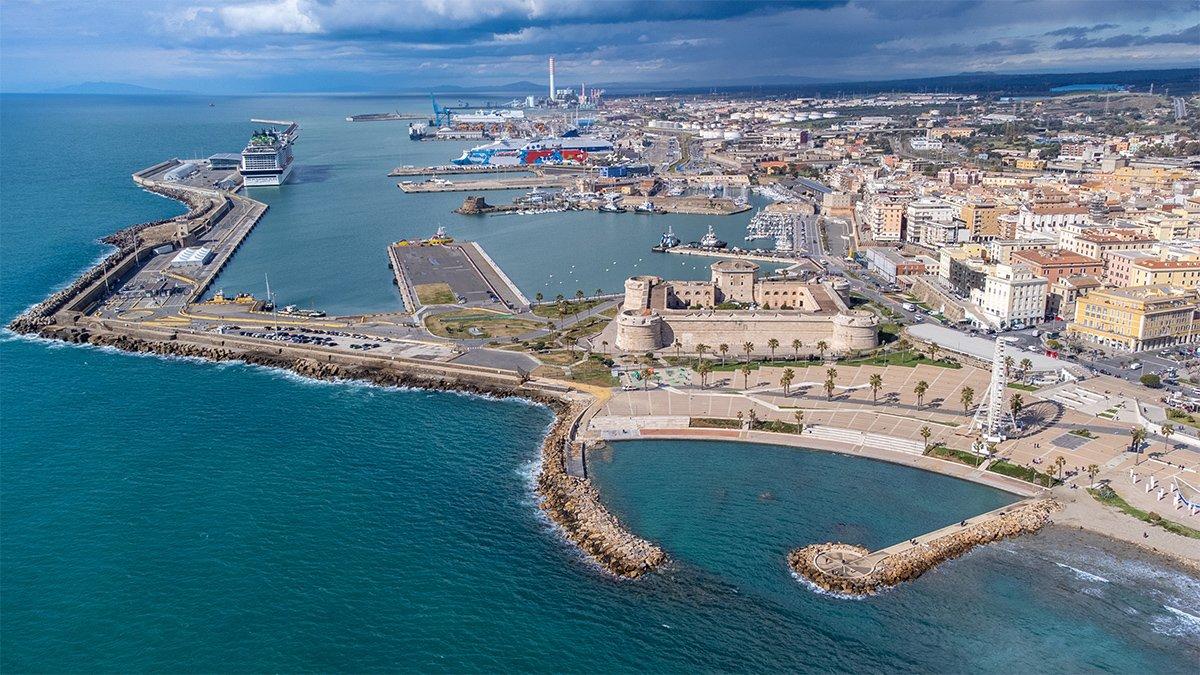
Civitavecchia, Italy, 1 September (Brussels Morning Newspaper) – Five people have been rescued after their recreational boat became stranded on rocks along Italy’s Lazio coast, with the Coast Guard deploying a marine rescue drone to reach them when shallow water prevented a rescue vessel from approaching safely.
The emergency involved a recreational vessel approximately 10 metres long which became stuck on rocks near the free beach of Sant’Agostino, in the Montalto di Castro area north of Civitavecchia. The alarm reached the Coast Guard’s operations centre through Italy’s 1530 maritime emergency number at about 8.40pm on Saturday.
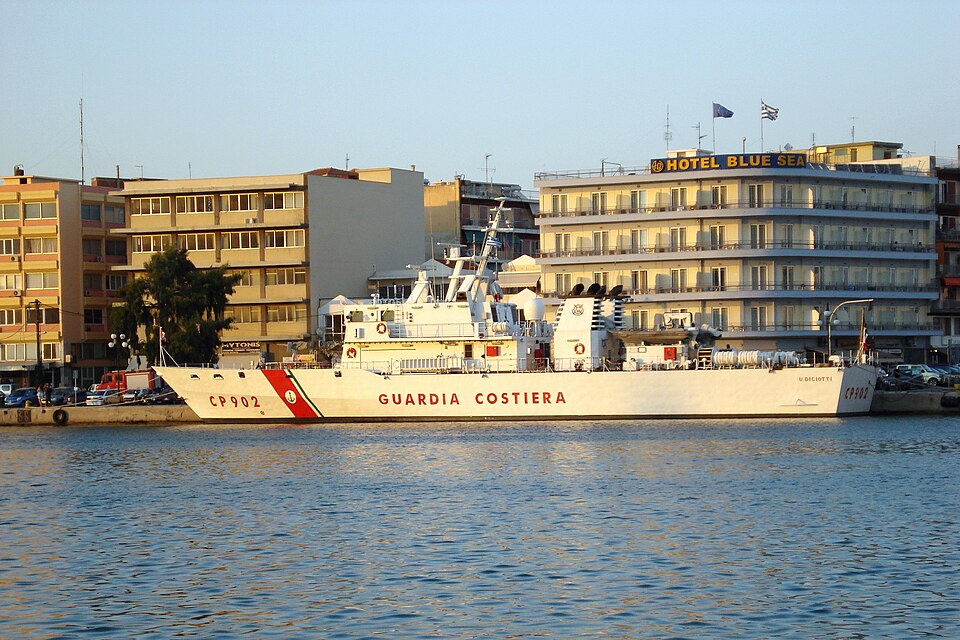
The Coast Guard maintained contact with those aboard while establishing their location and dispatched the SAR patrol boat CP 891.
Why the Coast Guard deployed the U-Safe drone
The operation became difficult because the stranded vessel was around 150 to 200 metres from the rescue boat. Shallow water prevented CP 891 from getting closer, while darkness and worsening sea conditions increased the risks facing rescuers and those aboard the vessel.
Coast Guard personnel therefore deployed U-Safe, a remotely controlled, self-propelled rescue device carried aboard the Civitavecchia search-and-rescue vessel.
The system has a U-shaped design and uses two electric turbines. It can operate whichever side is facing upwards after entering the water, allowing trained personnel aboard a rescue vessel to direct it towards people who cannot safely be reached by the boat itself.
The five people had entered the water by the time the device reached them. They held on to U-Safe and were guided towards CP 891, where Coast Guard personnel brought them aboard.
The Coast Guard operation lasted around two hours and ended at approximately 10.30pm. All five people were reported to be in good health.
What the rescue shows about new maritime technology
The operation demonstrates how a marine rescue drone can bridge the dangerous gap between conventional rescue vessels and casualties trapped in shallow or otherwise inaccessible waters.
Rather than requiring rescuers to enter hazardous seas or manoeuvre a larger vessel close to rocks, the remotely operated system can be sent directly towards people in difficulty. The technology is particularly useful where water depth, waves or coastal obstacles restrict conventional rescue craft.
After the five people were recovered, officials checked the stranded boat. According to reports on the operation, no breaches or other problems presenting an immediate threat to the marine environment were identified.
What happens next after the Civitavecchia rescue?
The Coast Guard is carrying out checks to establish the circumstances that caused the vessel to become stranded on the rocks. After completing the rescue and on-site assessments, CP 891 returned to its base under instructions from the Civitavecchia Coast Guard operations centre.
The successful deployment also provides a practical example of how remotely controlled equipment can complement traditional search-and-rescue operations. In this case, the marine rescue drone enabled rescuers to reach five people despite conditions that prevented the patrol boat from safely closing the final distance.