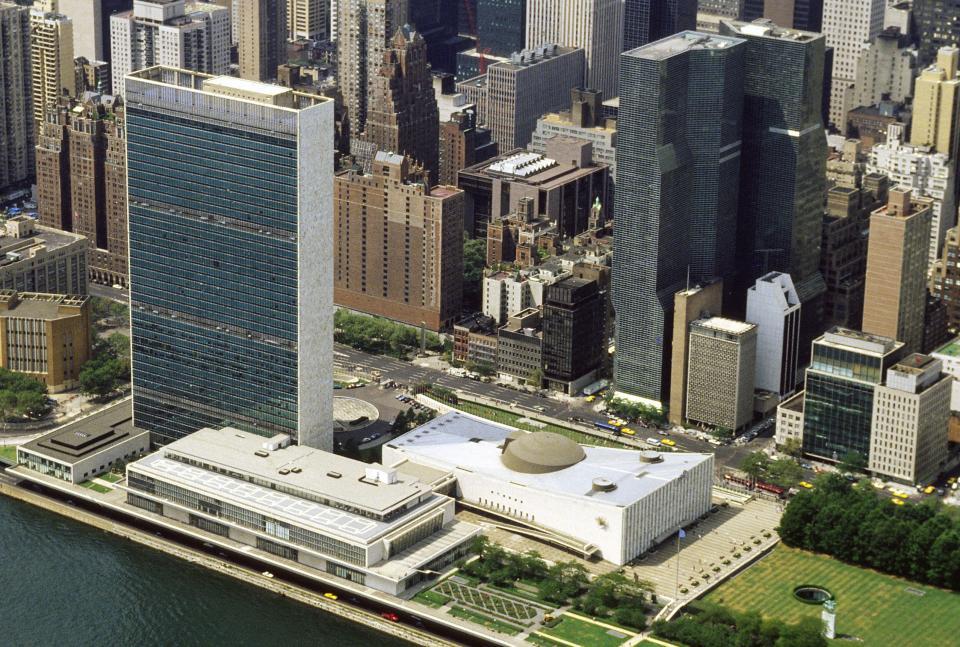
UNITED NATIONS, New York, June 15 – Brussels Morning Newspaper — International diplomacy remained at the forefront of global affairs after the United Nations Security Council voted to extend its mission in Afghanistan for another year. The decision ensures the continuation of the UN Assistance Mission in Afghanistan (UNAMA), a key international presence responsible for monitoring developments, coordinating humanitarian efforts, and supporting diplomatic engagement in the country.
The extension reflects ongoing international concern regarding Afghanistan’s humanitarian, economic, and political situation. Security Council members broadly agreed that maintaining a UN presence remains important as the country continues to face significant challenges affecting millions of people.
The renewed mandate allows UN officials to continue providing assessments, facilitating dialogue, and supporting humanitarian coordination efforts throughout Afghanistan.
“Continued engagement remains essential to supporting the Afghan people and promoting stability,”
a United Nations diplomat said following the Security Council vote.
Security Council Reaffirms Commitment
The decision to renew the mission demonstrates the international community’s continued commitment to maintaining diplomatic engagement with Afghanistan. The mission serves as one of the primary channels through which global organizations monitor conditions on the ground and coordinate international assistance.
Diplomatic observers note that Afghanistan remains a major focus for humanitarian agencies and governments due to ongoing economic pressures and humanitarian needs. By extending the mission, the Security Council signaled that the country remains an important issue on the international agenda.
The vote also reinforces the role of the United Nations as a platform for dialogue and cooperation during periods of uncertainty.
Humanitarian Needs Continue to Drive Action
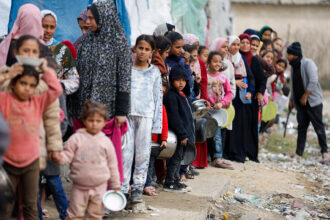
One of the key reasons behind the mission’s extension is the continuing humanitarian situation. International organizations have repeatedly warned that many Afghans remain dependent on humanitarian assistance, including food aid, healthcare support, and emergency relief programs.
The UN mission plays a critical role in helping coordinate these efforts and ensuring communication between aid agencies, donor nations, and local stakeholders. Officials say maintaining these channels is essential for delivering assistance to vulnerable communities.
The extension provides continuity for these activities and helps sustain international support mechanisms already in place.
Afghanistan Remains Important to Regional Stability
Analysts note that developments in Afghanistan can have broader regional implications. Neighboring countries closely monitor conditions because of potential impacts on security, migration, trade, and economic cooperation.
The continued presence of the UN mission helps provide reliable reporting and facilitates communication among international stakeholders. Many governments view diplomatic engagement as a practical tool for reducing uncertainty and encouraging stability.
As a result, the Security Council’s decision has significance beyond Afghanistan itself, influencing wider discussions regarding regional security and cooperation.
Diplomatic Engagement Expected to Continue
The renewed mandate ensures that UN officials will continue engaging with Afghan authorities, humanitarian organizations, and international partners over the coming year. Diplomats emphasize that maintaining communication channels remains important even when complex challenges persist.
The extension highlights the enduring role of international diplomacy in addressing global issues through dialogue, coordination, and multilateral cooperation. While significant challenges remain, the Security Council’s action reflects a belief that sustained engagement remains essential to supporting stability and humanitarian objectives.