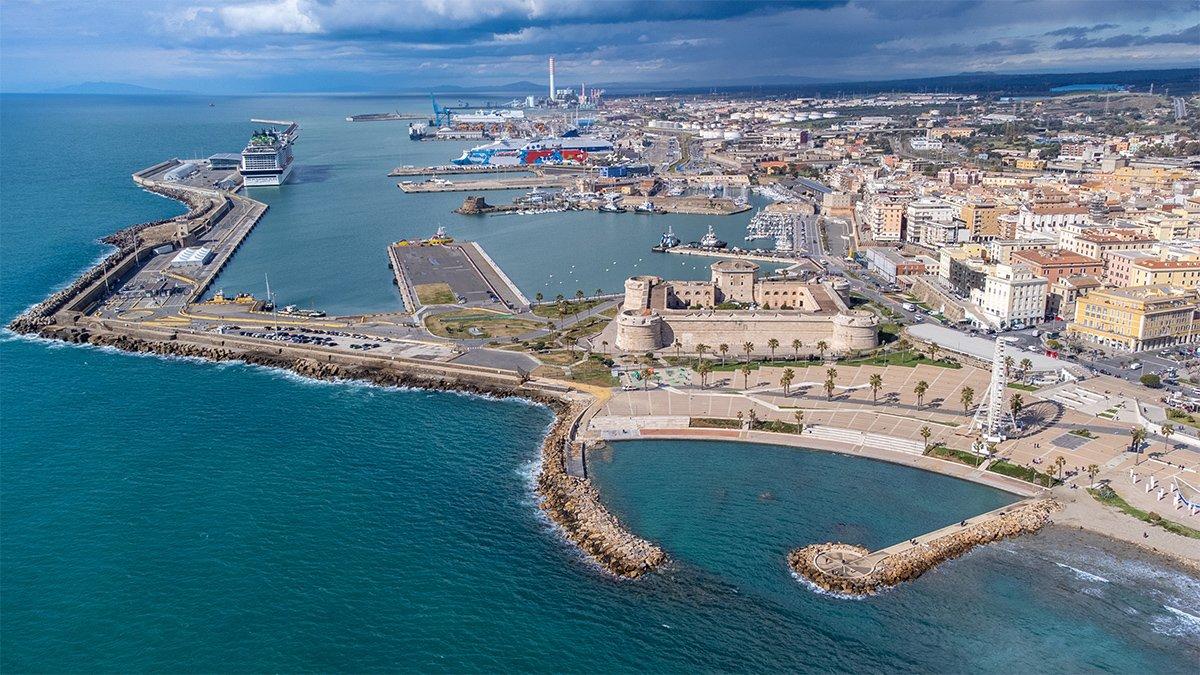
Tarquinia, Italy, 1 September (Brussels Morning Newspaper) – Five people were rescued after their 10-metre leisure boat became stranded on rocks off the Sant’Agostino coast, where rough conditions and shallow water prevented an Italian Coast Guard patrol vessel from reaching them directly. A sea rescue robot was used to cover the final 150 to 200 metres and help bring the group to safety.
The emergency began on the evening of Saturday, 29 August. Information released by the Civitavecchia Coast Guard said its operations centre received an alert through Italy’s 1530 maritime emergency number at around 8.40pm.
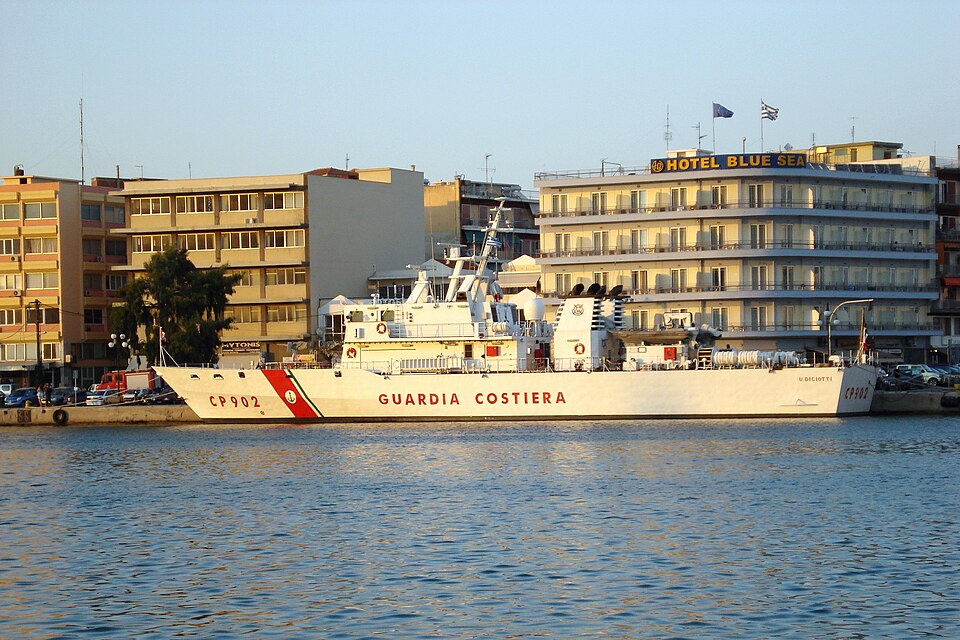
Coast Guard personnel remained in contact with those involved while determining the vessel’s location. The SAR patrol vessel CP 891 was then sent to the scene.
Why was the Coast Guard unable to reach the stranded boat?
The rescue became more difficult because the boat was positioned close to rocks in very shallow water. Darkness and worsening sea conditions further limited the options available to the Coast Guard crew.
CP 891 was unable to approach closer than about 150 to 200 metres without risking the patrol vessel. The five people had meanwhile entered the water, making it necessary to find another way of reaching them quickly and safely.
The crew deployed U-SAFE, a remotely controlled and self-propelled flotation device fitted with two turbines. Controlled from CP 891, the sea rescue robot was directed across the shallow water towards the group.
The five people held on to the flotation device as operators guided it back towards the Coast Guard vessel. They were then taken aboard by rescue personnel.
The operation lasted about two hours and concluded at approximately 10.30pm. All five people were reported to be in good health.
How did U-SAFE help overcome the dangerous conditions?
The rescue showed how remotely operated maritime technology can assist emergency crews when larger vessels cannot safely approach people in difficulty.
U-SAFE can be remotely steered towards casualties in the water, providing immediate flotation support while allowing rescuers to remain clear of rocks, shallow seabeds or other navigational hazards.
In the Sant’Agostino incident, the equipment allowed the Coast Guard to overcome the distance between CP 891 and the stranded group without exposing the patrol vessel or its crew to unnecessary danger.
Officials subsequently inspected the stranded leisure boat. No damage was identified that posed an immediate risk of marine pollution.
What will happen after the Sant’Agostino rescue?
The sea rescue robot operation ended without reported injuries, while authorities are continuing to establish the circumstances that led to the boat becoming stranded on the rocks.
The Coast Guard is examining the incident as part of its follow-up work. CP 891 returned to its base after the five people had been recovered and checks at the scene were completed.
The rescue also highlighted the growing role that remotely operated equipment can play alongside trained maritime crews, particularly when rough seas, darkness, rocks and shallow coastal waters make a conventional rescue approach unsafe.