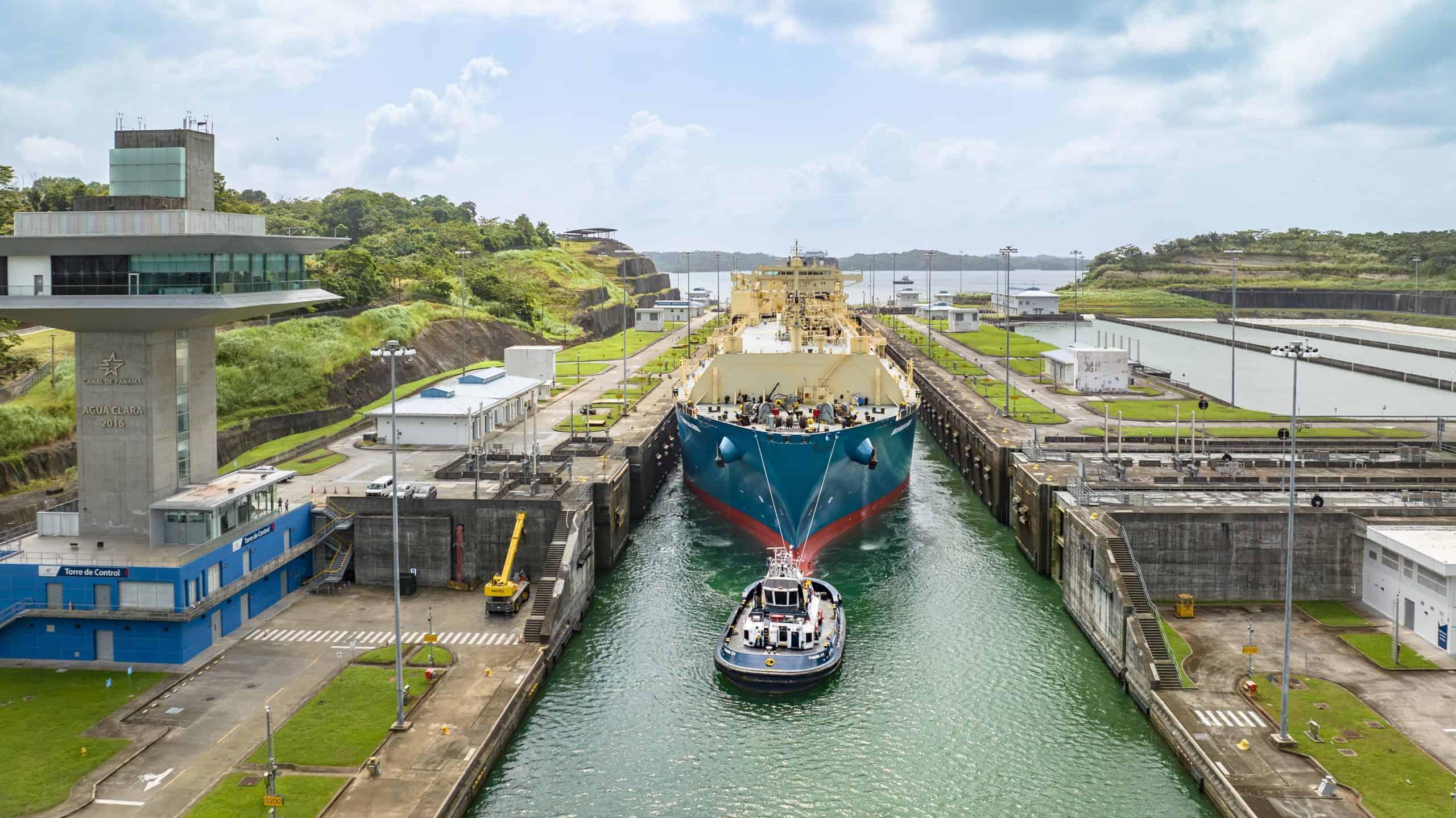
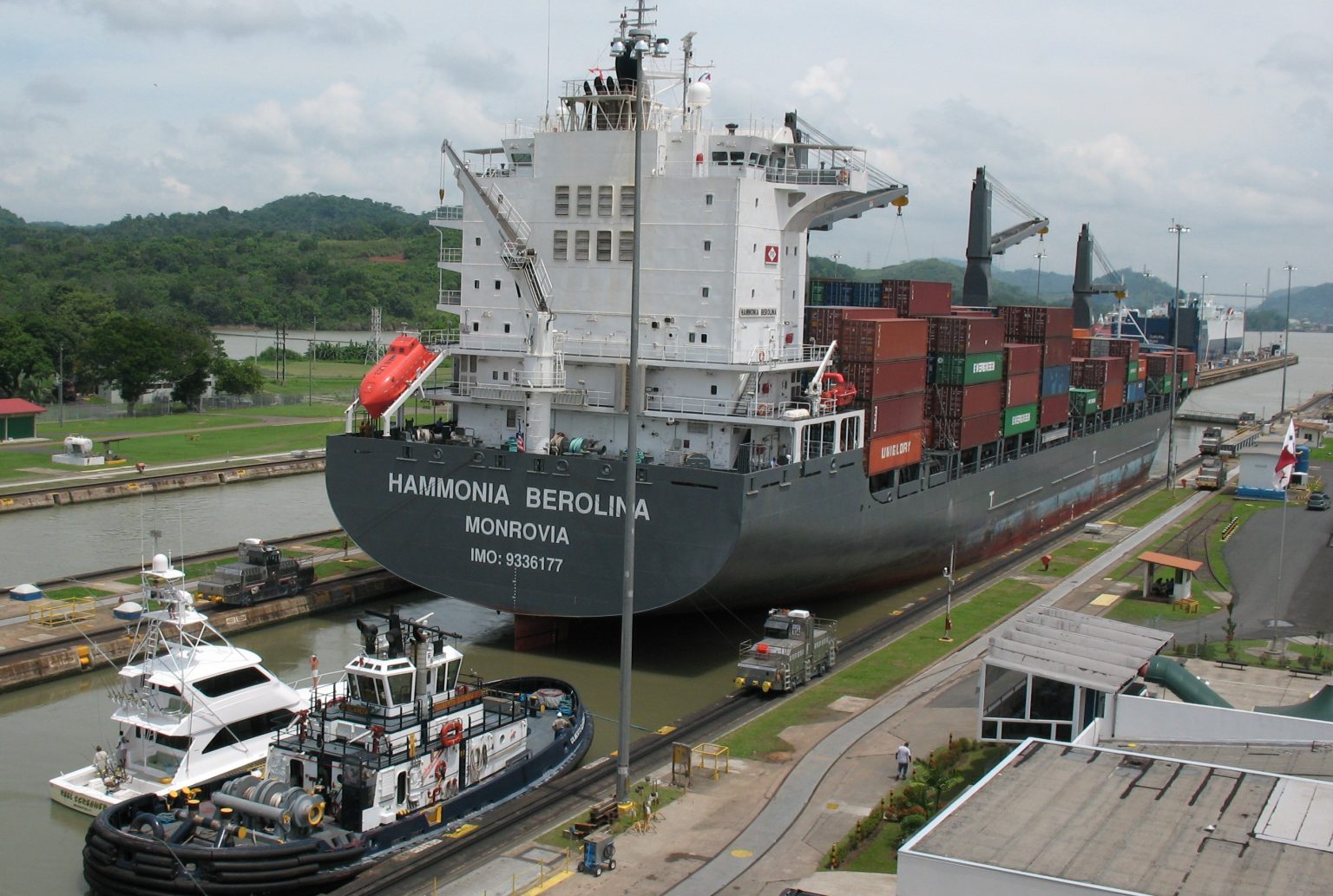
Panama City, 28 August (Brussels Morning Newspaper) – South Korea’s SK Gas has paid a record $5.3 million to secure priority passage for the LPG tanker G. Spirit through the Panama Canal, highlighting the growing cost of avoiding delays as drought conditions restrict one of the world’s busiest shipping routes.
The vessel is scheduled to travel northbound through the canal on 1 September, shortly before additional restrictions take effect. The record Panama Canal transit auction payment was confirmed by deputy canal administrator and administrator-designate Ilya Espino de Marotta.
Why has Panama Canal passage become so expensive?
The price reflects intense competition for limited passage slots. Ships can reserve crossings in advance, while operators seeking scarce last-minute opportunities may compete through auctions.
Water availability is the central problem. The Panama Canal Authority has reported lower-than-expected rainfall in the canal watershed, requiring measures designed to conserve water while maintaining operations.
The authority warned operators: “A reduction in the number of daily transits may increase waiting times for vessels arriving at the waterway without a secured reservation.”
The restrictions have increased the value of guaranteed Panama Canal transit, particularly for operators seeking to keep vessels and cargo on schedule rather than face uncertain waiting periods.
What restrictions will shipping companies face?
From 3 September, the Neopanamax Locks will have nine daily reservation slots, while the Panamax Locks will have 25. From 15 September, Panamax availability will fall to 23, reducing the combined number to 32 slots per day.
The Panama Canal Authority has encouraged shipping companies to plan ahead and use its reservation system.
Officials said: “A confirmed reservation through this system is the only mechanism that guarantees a transit date.”
Ships arriving without reservations could therefore face longer waits, while competition for auction slots may remain strong if water conditions continue limiting capacity.
What could happen next for global shipping?
Canal authorities will continue monitoring rainfall, lake levels and water inflows. Further operational adjustments could follow if conditions require them, although officials have not confirmed additional restrictions beyond those already announced.
For shipping companies, constrained capacity means greater uncertainty over schedules and potentially higher costs when guaranteed passage is essential. Operators can also consider alternative routes, although diversions can add substantial time and operating expenses.
The $5.3 million paid for the G. Spirit demonstrates the commercial value companies can place on securing Panama Canal transit when available slots become scarce. Its scheduled 1 September crossing will come just before the latest restrictions begin affecting daily capacity.