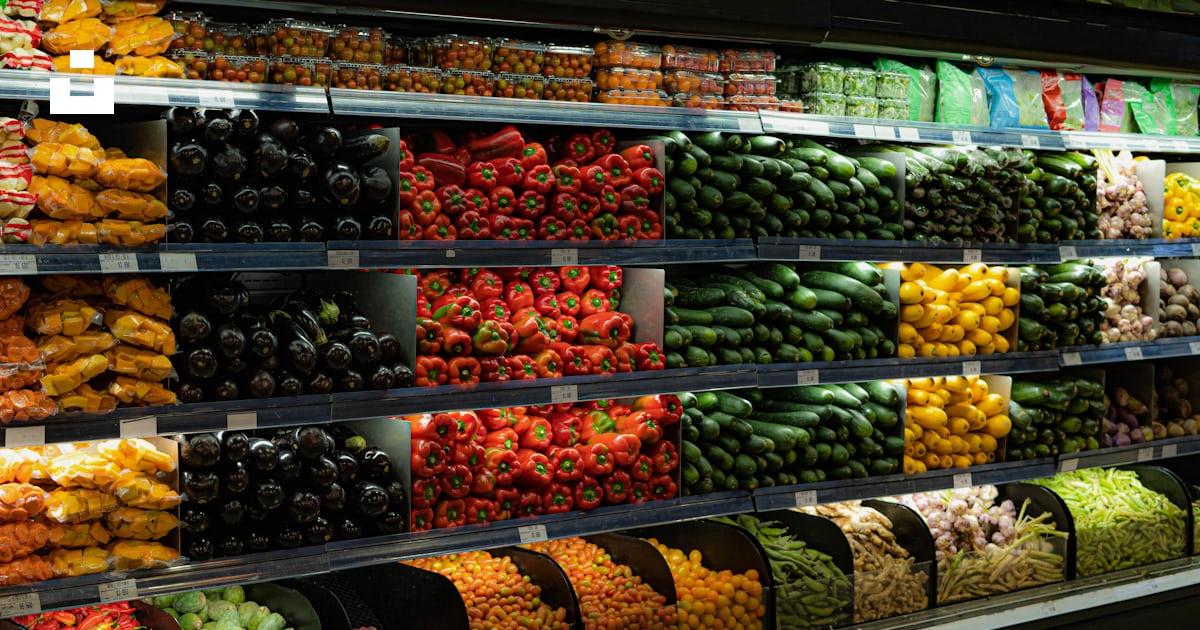
Bedminster, New Jersey, 15 August (Brussles Morning Newspaper) Rising US grocery prices are putting renewed pressure on President Donald Trump’s economic record as Republicans prepare for November’s midterm elections, two years after he used a display of supermarket staples to attack Democrats over the cost of living.
On 15 August 2024, Trump stood beside tables loaded with beef, fruit, cereal, milk and other everyday products at his Bedminster golf club. He blamed the Biden administration for steep increases in household costs and made reducing inflation a central part of his campaign for the White House.
Two years later, affordability remains a significant concern for American voters, leaving Republicans to defend their record on an issue Trump used successfully against Democrats in 2024.
Prices remain above Trump’s 2024 campaign levels
A Reuters analysis of 26 grocery categories represented at Trump’s 2024 Bedminster event found their prices had increased by 3.4% during the first 19 months of his second term.
That rise is less than a quarter of the pace recorded at the same stage of Joe Biden’s presidency, but prices have not fallen across the board as Trump had promised during the campaign.
The differences between products are substantial. Reuters, using Bureau of Labor Statistics data, found uncooked beef prices had increased 19.2%, apples 14%, fresh fish and seafood 8.6%, and coffee nearly 23%.
Eggs have moved sharply in the opposite direction, falling almost 40% as the market recovered from shortages linked to avian flu. Butter, bacon and cooking fats and oils were also among the categories recording declines.
The latest Bureau of Labor Statistics report showed overall US consumer prices were 3.4% higher in July than a year earlier, while prices increased 0.1% from June on a seasonally adjusted basis.
White House defends Trump’s economic record
The White House argues that the latest inflation figures show progress.
Responding to the July CPI figures, an administration official told Reuters that the report provided further evidence that Trump’s economic programme was delivering, pointing to lower prescription drug and motor insurance costs, rising real wages and lower prices for some household essentials.
Agriculture Department forecasts nevertheless indicate that food inflation has not disappeared. Its July Food Price Outlook predicted food-at-home prices would increase by an average of 2.7% during 2026, while overall food prices were forecast to rise 3.1%.
Cost of living becomes a Republican midterm test
The political significance of US grocery prices is particularly clear in competitive congressional districts.
Reuters spoke to 17 Republican and independent voters in New Jersey’s 7th Congressional District, which includes Bedminster. More than half said they were undecided or leaning towards Democrat Rebecca Bennett in her contest against Republican incumbent Tom Kean, although voters raised concerns extending beyond grocery costs.
National polling also points to dissatisfaction over affordability. A Reuters/Ipsos survey completed earlier in August put Trump’s net approval rating for handling the cost of living at minus 47%, compared with minus 6% at the beginning of his term.
Why household costs matter for November
Inflation is shaped by numerous forces, and presidents have limited direct control over prices. Monetary policy is primarily handled by the Federal Reserve, while global commodity markets, supply disruptions, trade policy and international conflicts can also influence what households pay.
Politically, however, supermarket prices are difficult to separate from the party controlling the White House. Shoppers encounter food costs every week, making them an unusually visible measure of whether voters believe their finances are improving.
That makes US grocery prices an important part of the wider argument over Trump’s economic record heading into November.
What comes next
Republicans are expected to emphasise slower inflation, wage growth and declines in selected household costs as campaigning intensifies. Democrats are seeking to keep affordability at the centre of competitive House races.
Further inflation reports before polling day will provide fresh evidence of whether pressure on household budgets is easing. For Republicans, the challenge is increasingly straightforward: turning improving inflation figures into an economic recovery voters can see when they reach the supermarket checkout.