Cairo, 15 August (Brussles Morning Newspaper) Iran Hormuz tensions intensified after Tehran rejected Donald Trump’s claim that the United States controlled the strategic waterway, while the US president told Americans that paying more at the petrol pump was justified by his campaign against Iran’s nuclear programme.
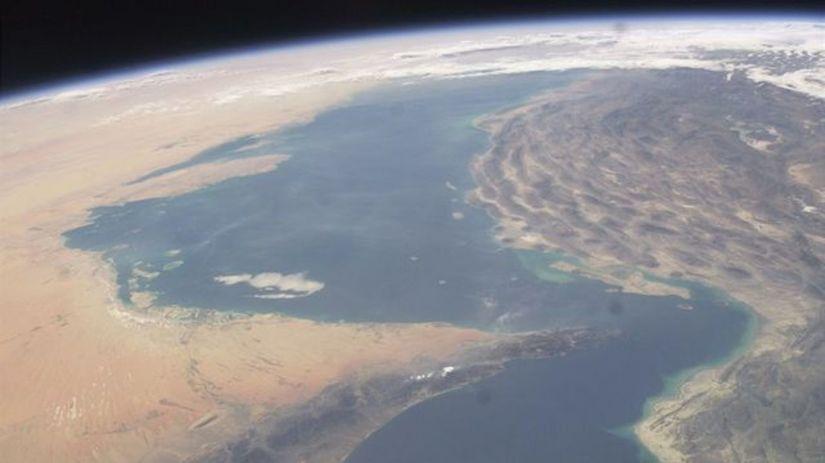
The confrontation has placed fresh attention on the Strait of Hormuz, a narrow shipping route connecting the Persian Gulf with the Gulf of Oman and a critical passage for global energy supplies.
Tehran says Washington does not control Hormuz
Iranian Deputy Foreign Minister Kazem Gharibabadi dismissed Trump’s assertion that Washington controlled the strait and said Tehran would determine when the route reopened.
“The Strait of Hormuz cannot be seized by a tweet or an aircraft carrier,” Gharibabadi wrote on X, according to Reuters.
His comments came as shipping through the waterway remained severely disrupted. Before the US and Israel began military action against Iran on 28 February, about one-fifth of global oil exports passed through Hormuz.
Kpler tracking data cited by Reuters showed only two vessels passing through the strait on Friday, compared with more than 130 ships per day before the conflict. The data showed no crude shipments, although vessels travelling without active transponders may not have been recorded.
Trump says Americans should accept higher petrol prices
Trump acknowledged the impact on motorists during a political rally in Garden City, New York, on Friday.
The president said Americans paying “a tiny little bit more for your gasoline” was worthwhile if it prevented what he described as “a very evil country” from obtaining a nuclear weapon.
US petrol prices have risen sharply during the confrontation. Reuters, citing AAA data, reported that the national average stood at about $4.08 a gallon on Friday, compared with $3.16 a year earlier — an increase of roughly 29%.
Oil markets have also responded to uncertainty surrounding the Iran Hormuz tensions. Brent crude settled at $88.52 a barrel on Friday, while US West Texas Intermediate closed at $82.40.
Attacks deepen concerns over commercial shipping
The United Arab Emirates reported further security incidents around the waterway.
Two vessels belonging to Abu Dhabi National Oil Company were attacked while passing through the strait on Thursday, according to UAE authorities. No injuries were reported. Another vessel came under attack on Friday, Reuters reported, citing the UAE’s WAM news agency.
The disruption has consequences beyond the immediate conflict. Prolonged restrictions on tanker movements can increase oil prices, shipping costs and insurance premiums, with higher energy costs potentially feeding into transport and consumer prices internationally.
US and Iran remain apart on diplomacy
Diplomatic efforts have yet to produce a confirmed return to direct negotiations.
Iranian Foreign Minister Abbas Araqchi said Tehran had made no decision to resume direct talks with Washington. Qatar and Pakistan have exchanged messages with Iranian officials, according to the Iranian Student News Agency, but those contacts have not developed into formal negotiations.
Iran is also facing growing domestic economic pressure. President Masoud Pezeshkian has blamed high inflation on sanctions against Iranian oil exports and the US blockade of the country’s ports.
What happens next?
Washington is expected to increase economic pressure. US Treasury Secretary Scott Bessent said further measures against Iran would be announced next week, although the administration has not disclosed what those measures will involve.
For energy markets, the immediate question is whether commercial traffic through Hormuz can recover. With Tehran publicly challenging Washington and no confirmed timetable for renewed negotiations, the Iran Hormuz tensions remain a significant risk for oil supplies and fuel prices.