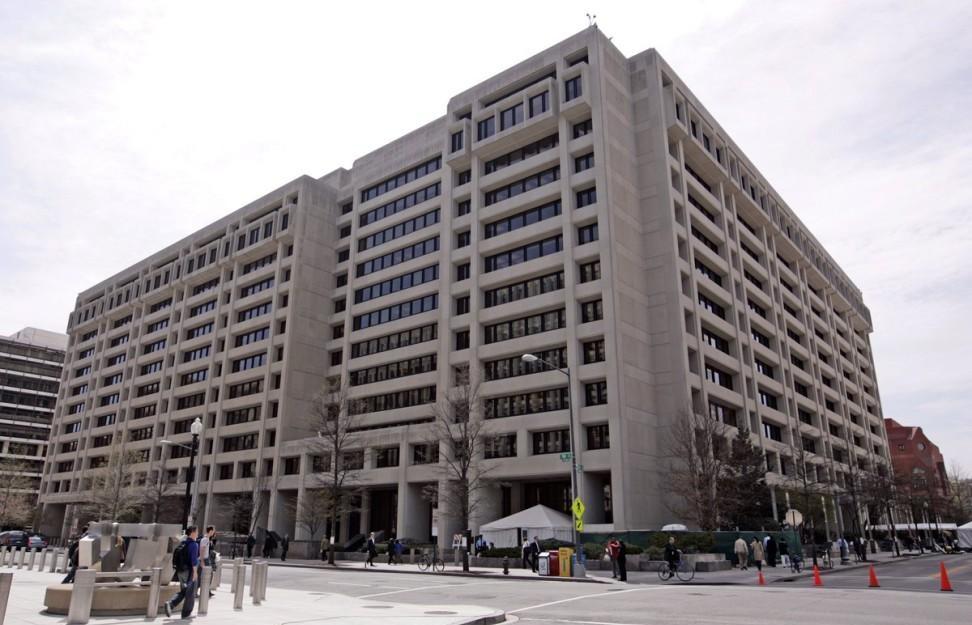
La Paz, July 22 Brussels Morning Newspaper — IMF loan Bolivia negotiations at the Ministry of Economy in La Paz negotiations are approaching a final stage after Economy Minister José Gabriel Espinoza said the government is close to securing between $2.5 billion and $2.8 billion in financing from the International Monetary Fund. The proposed package is intended to strengthen Bolivia’s international reserves as the country continues efforts to stabilize its economy following months of financial pressure.
Officials said more than half of the financing could be disbursed by early September if the agreement receives final approval. The government has stated that the funds would be used to reinforce the Central Bank’s foreign currency reserves rather than finance public spending.
IMF Financing Would Strengthen Bolivia’s Economic Position
The planned IMF package would be one of Bolivia’s largest international financing agreements in recent years. Authorities believe stronger reserve levels could improve financial stability and help restore confidence among investors and international lenders.
The government also expects the IMF agreement to support additional funding from other multilateral institutions. Officials estimate total international financing this year could exceed $5 billion if current negotiations are completed successfully.
Economic Challenges Behind the Agreement
Bolivia has faced declining foreign exchange reserves, shortages of U.S. dollars, and slowing export revenue over recent years. In response, the government recently introduced a more flexible exchange-rate system after ending its long-standing currency peg.
Economic officials view the IMF financing as part of a broader reform strategy aimed at improving fiscal stability and rebuilding confidence in the country’s financial outlook.
What Comes Next for the IMF Loan Bolivia Talks
Negotiations are expected to continue over the coming weeks before the IMF Executive Board considers the financing package for approval.
If finalized, the agreement would provide Bolivia with fresh international reserves while supporting broader economic reforms designed to strengthen long-term financial stability. Investors and businesses will closely monitor the timing of the first disbursement and any additional financing secured from international institutions.