Washington, D.C., July 18 Brussels Morning Newspaper — US data center protests are spreading across the United States as community groups organize demonstrations against the rapid growth of artificial intelligence infrastructure. Residents in several states are urging officials to review the environmental and economic impact of large-scale data center developments before approving new projects. The growing movement reflects increasing public concern over electricity demand, water consumption, and changes to local communities.
Nationwide Demonstrations Target AI Infrastructure Growth
Protest events have been planned in multiple states where technology companies are expanding data center operations. Organizers say communities deserve greater transparency about how new facilities could affect power grids, natural resources, and local planning decisions. As AI investment accelerates, public opposition has become more visible in areas expected to host new developments.
Communities Raise Environmental and Energy Concerns
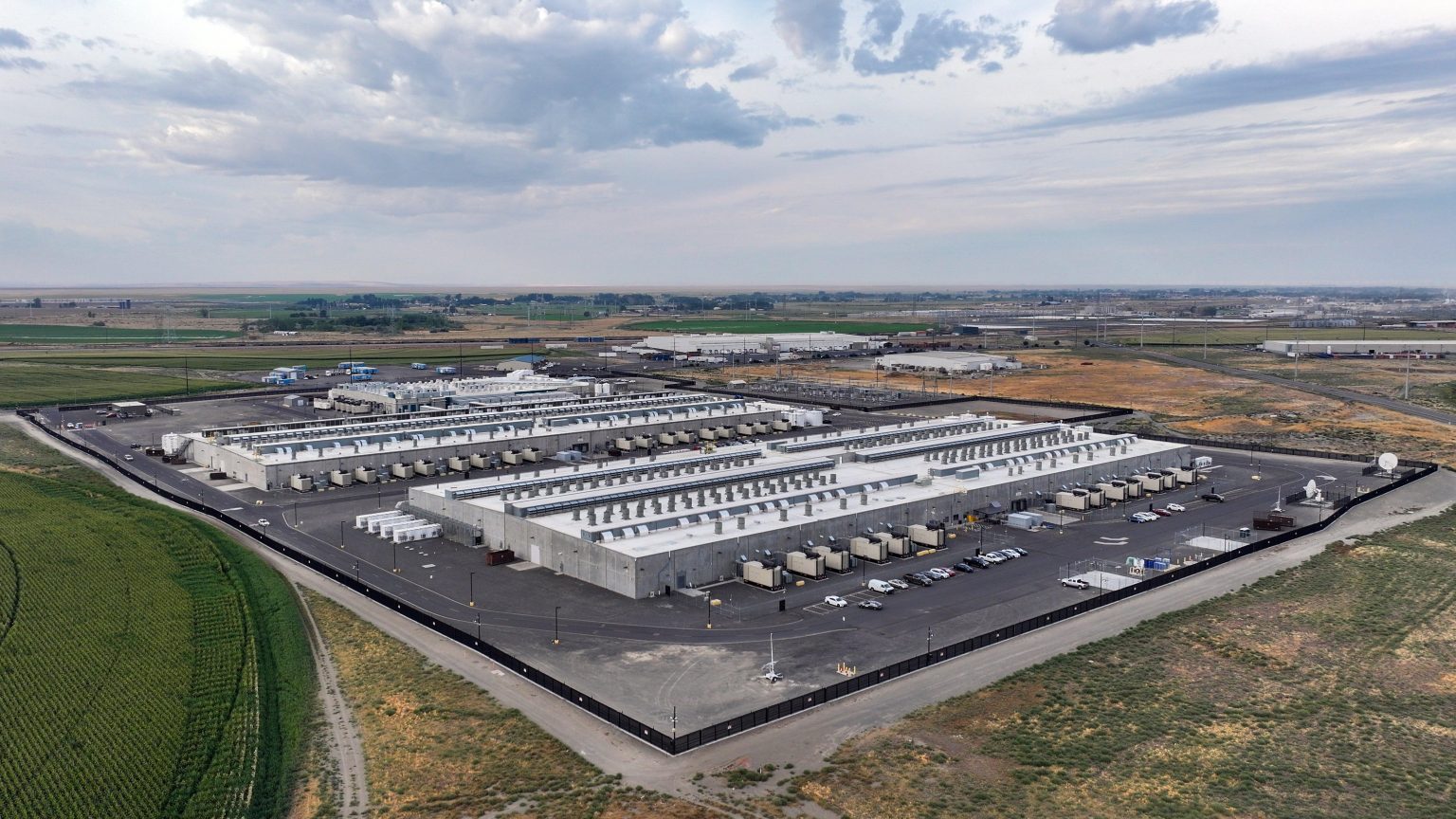
Large data centers require substantial electricity to operate servers and significant amounts of water for cooling systems. Residents argue that the rapid pace of construction could place additional pressure on utility networks while increasing demand for limited water supplies. Some local officials are also reviewing whether existing infrastructure can support future expansion without affecting residential customers.
Data Center Growth Faces Greater Regulatory Scrutiny
The expanding opposition is drawing attention from policymakers. Some states are reviewing permitting processes and environmental standards for future developments, while industry leaders continue to emphasize the economic benefits of AI infrastructure, including job creation and investment. Analysts say developers may need to work more closely with communities to address local concerns and improve project transparency.
Outlook for Future AI Infrastructure Projects
As artificial intelligence continues to drive demand for computing capacity, data center construction is expected to remain a major investment priority. However, growing public opposition suggests future projects may face longer approval timelines and increased environmental review. The debate is likely to shape how technology companies expand infrastructure across the United States in the coming years.