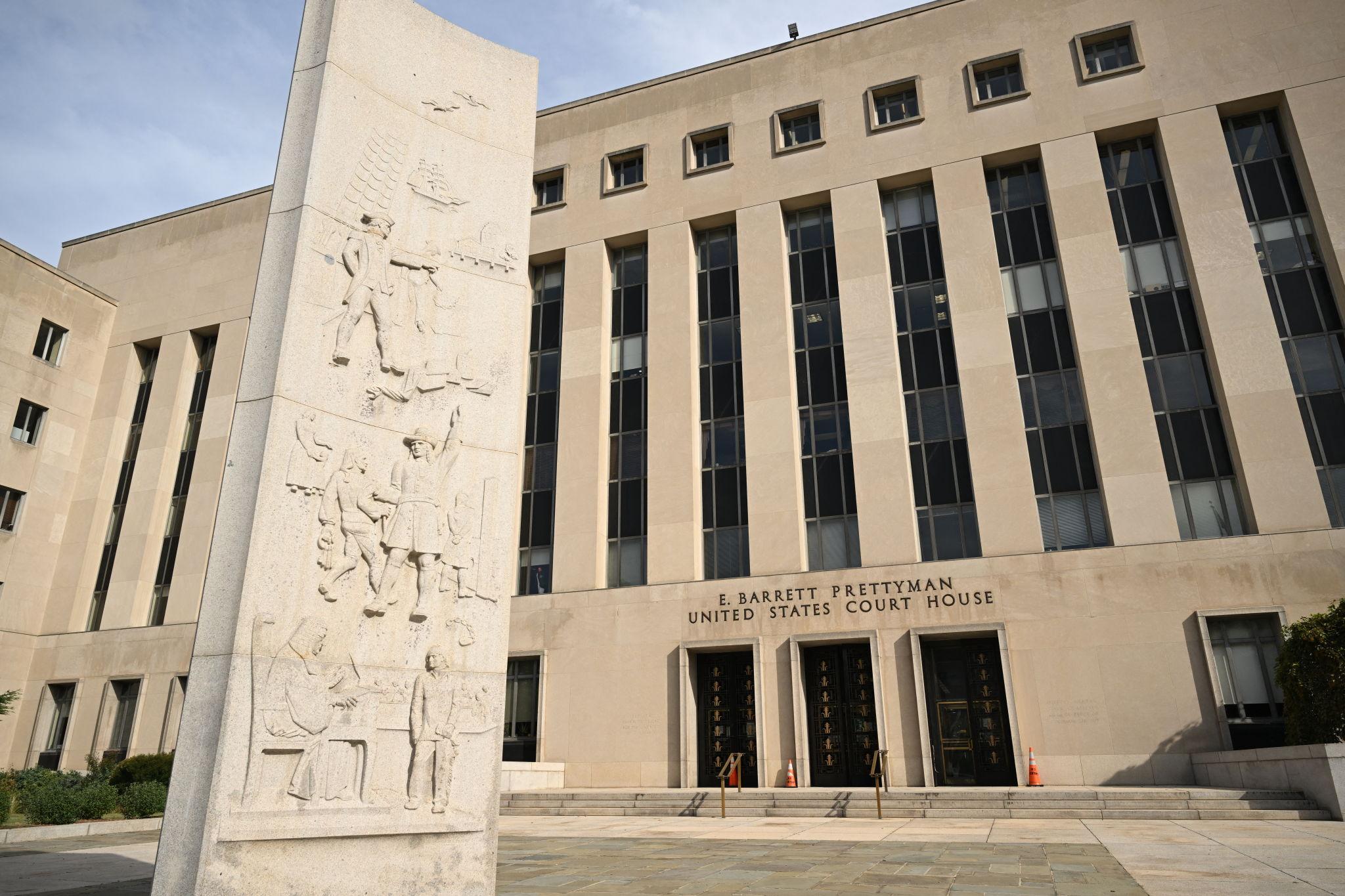
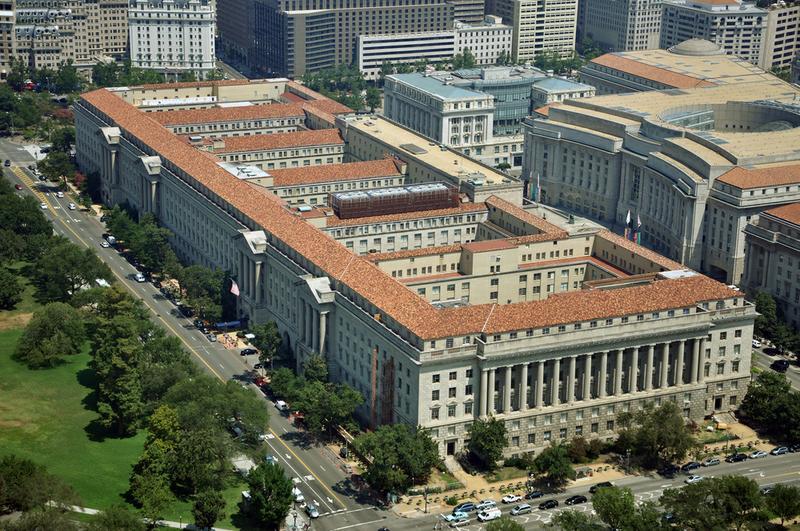
Washington, D.C., July 14 Brussels Morning Newspaper – Trade fraud enforcement unit is the focus of a new initiative announced by the U.S. Department of Justice to strengthen investigations into customs fraud, tariff evasion, and other import-related crimes. The new Global Trade Enforcement Section will operate within the National Fraud Enforcement Division and coordinate with federal agencies responsible for trade compliance.
The department said the move is designed to improve criminal enforcement against businesses and individuals who intentionally violate U.S. trade laws or avoid paying required duties.
New Section to Strengthen Trade Crime Investigations
The Justice Department said the specialized unit will investigate offenses involving false customs declarations, fraudulent import documentation, undervalued shipments, and tariff evasion. Prosecutors will work alongside U.S. Customs and Border Protection, Homeland Security Investigations, and other federal agencies to pursue complex trade-related cases.
Justice Department officials said stronger coordination will help identify sophisticated fraud schemes affecting international commerce and government revenue.
Businesses Face Increased Compliance Expectations
Companies involved in importing goods into the United States may see greater enforcement activity as the new section begins operations. Legal experts say businesses should carefully review customs declarations, product classifications, and country-of-origin documentation to ensure compliance with federal regulations.
Officials also encouraged companies to voluntarily disclose violations when appropriate, noting that cooperation may be considered during enforcement decisions.
What the New Enforcement Unit Means
The creation of the Trade fraud enforcement unit reflects the government’s broader effort to combat financial crimes linked to international trade. Federal prosecutors are expected to focus on intentional misconduct rather than administrative mistakes, while expanding investigations into cross-border fraud networks.
As global supply chains continue to evolve, the new enforcement section is expected to play a larger role in protecting fair competition and ensuring importers follow U.S. trade laws.