
Spain, Portugal, February 7, 2026 — Brussels Morning Newspaper highlights growing concern in Spain and Portugal as agricultural communities assess the fallout from Storm Marta, a powerful weather system that swept across the Iberian Peninsula, flooding farmland, damaging infrastructure, and threatening food production at a critical moment in the farming calendar.
Authorities confirmed that multiple agricultural regions were affected simultaneously, compounding the difficulty of emergency response and recovery. Initial assessments suggest the damage could extend well beyond the current growing season.
Floodwaters Inundate Key Agricultural Regions
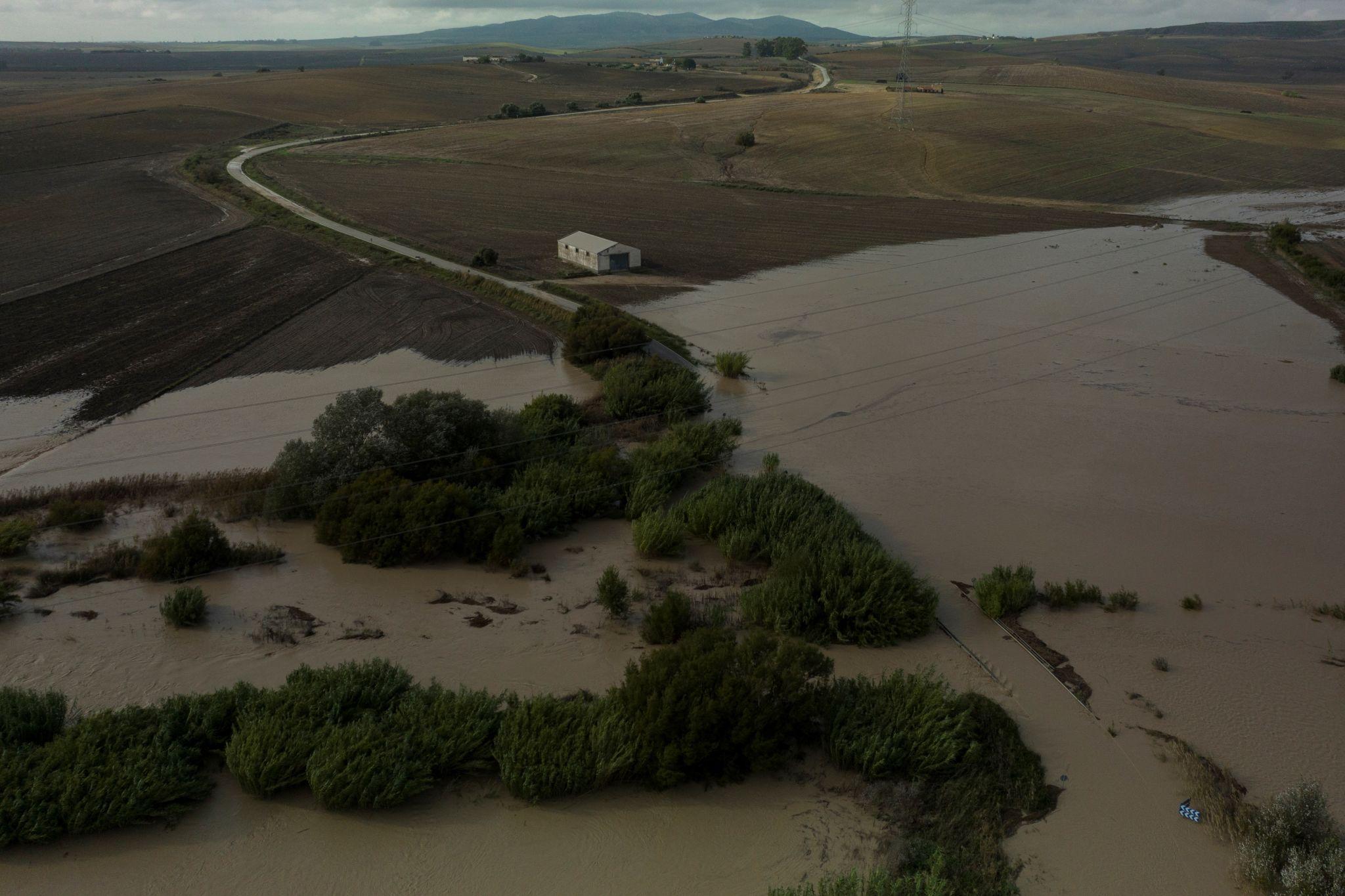
Heavy rainfall accumulated rapidly as rivers overflowed and drainage systems failed across wide rural areas. When Storm Marta moved inland, floodwaters spread across low-lying fields, overwhelming crops and saturating soil.
Major farming zones known for olives, citrus fruit, vegetables, and vineyards were among the hardest hit. In some locations, water remained on farmland for days, raising concerns about soil erosion, root rot, and long-term productivity loss.

Farmers Confront Extensive Crop Destruction
Farmers across Spain and Portugal described scenes of devastation as crops nearing harvest were submerged. Machinery was damaged, storage facilities flooded, and irrigation infrastructure destroyed. The sudden arrival of Storm Marta left little time for preventative action.
“This is the worst damage many of us have seen in decades,”
said a senior agricultural union official.
For smaller producers, the losses threaten not only income but long-term survival, particularly for family-run farms with limited financial reserves.
Rural Infrastructure Damage Deepens the Crisis
Beyond agricultural losses, damage to rural infrastructure intensified the impact. Roads linking farms to markets were washed out, electricity supplies disrupted, and water management systems rendered inoperable. Officials said Storm Marta triggered cascading failures that slowed emergency access to isolated areas.
In several provinces, produce that survived flooding could not be transported due to impassable roads, leading to additional spoilage and financial loss.
Emergency Response Mobilized Across the Region
Governments in Spain and Portugal activated emergency protocols to support affected areas. Damage assessment teams were deployed, disaster relief funds announced, and civil protection units dispatched to assist rural communities following the destruction caused by Storm Marta.
Authorities emphasized that restoring access to farms, stabilizing food supply chains, and providing immediate financial support remain top priorities.
Pressure Mounts on Food Supply Chains
Spain and Portugal are critical suppliers of fresh produce to European markets. Analysts warn that reduced output following Storm Marta could disrupt supply chains and contribute to price volatility.
Producers of olives, vegetables, and fruit have begun revising yield forecasts, while exporters assess the potential impact on contracts and international markets.
Weather Patterns Behind the Extreme Conditions
Meteorologists attribute the severity of the storm to unstable atmospheric conditions combined with warmer-than-average sea temperatures. Experts note that Storm Marta aligns with a broader pattern of increasingly intense weather events affecting southern Europe.
Climate specialists warn that heavier rainfall events are becoming more frequent, increasing flood risk in agricultural regions not historically designed to handle such volumes.
Rural Communities Face Lengthy Recovery
Recovery is expected to take months and, in some cases, years. Farmers must rehabilitate damaged soil, repair irrigation systems, and secure financing to replant crops. The aftermath of Storm Marta has exposed vulnerabilities within rural economies heavily dependent on seasonal production.
Local officials caution that without sustained assistance, some communities may struggle to recover fully.
Financial Strain and Insurance Gaps Exposed
The disaster has highlighted gaps in agricultural insurance coverage. Many farmers reported that policies did not fully cover flood-related losses. After Storm Marta, industry groups renewed calls for expanded insurance frameworks and improved disaster preparedness.
Banks and credit institutions are evaluating the long-term financial impact as farmers seek loans to rebuild operations.
Agricultural History Shows Growing Climate Risk
Extreme weather has long influenced farming across Spain and Portugal, but recent decades reveal a shift in frequency and intensity. Historical records show periodic floods and droughts, yet modern climate patterns suggest escalating extremes. Compared with past storms, Storm Marta stands out for its scale, speed, and widespread agricultural impact.
Experts argue that historical context must guide future planning to protect food production systems.
Policy Debate Intensifies Over Adaptation Measures
The storm has accelerated policy discussions around climate adaptation and agricultural resilience. Governments face increasing pressure to invest in flood defenses, improved drainage networks, and climate-resilient crops following Storm Marta.
Farming organizations are also pushing for faster access to emergency funding and long-term structural reforms.
Environmental Effects Extend Beyond Farmland
Environmental agencies are monitoring rivers and coastal waters for contamination linked to flood runoff. Soil erosion caused by Storm Marta could reduce land fertility if restoration efforts are delayed.
Authorities continue to assess ecological impacts alongside agricultural losses.
European Coordination Gains Momentum
The scale of the disruption has prompted renewed calls for stronger European coordination on climate-related disasters. Spain and Portugal have emphasized the need for cross-border planning after Storm Marta demonstrated how extreme weather can affect entire regions simultaneously.
Officials argue that shared challenges require coordinated solutions.
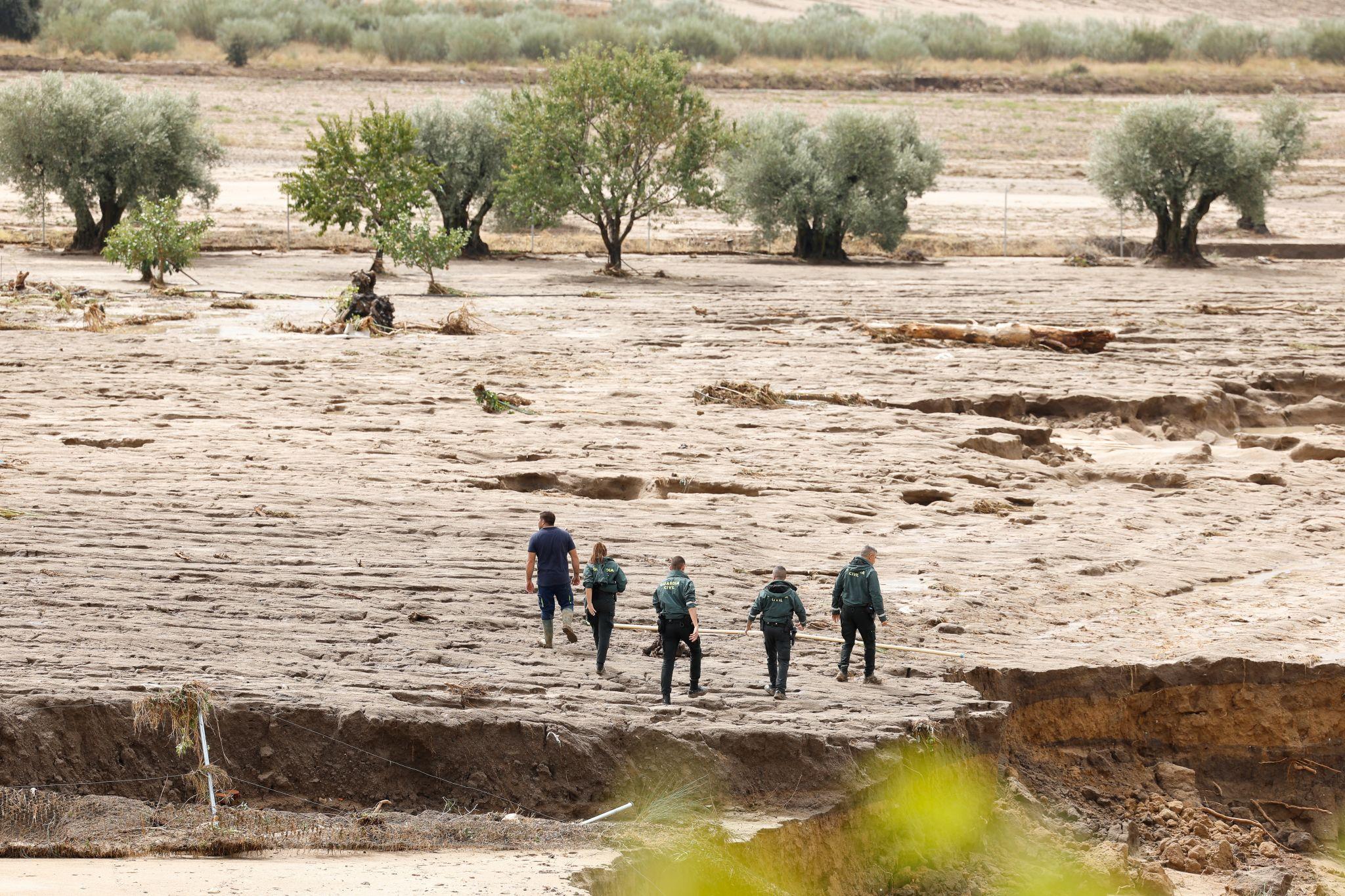
Human Cost Felt Across Rural Communities
Behind the economic figures lie stories of families facing uncertainty. Many rural households depend entirely on agriculture for income, making recovery especially challenging after Storm Marta.
“We are rebuilding from nothing,”
said a farmer surveying damaged land.
Community leaders stress the importance of mental health support alongside financial assistance.
Long Term Implications for Agricultural Policy
As rebuilding begins, attention is shifting toward long-term resilience. Governments, scientists, and farmers agree that adaptation is no longer optional. The destruction caused by Storm Marta has intensified discussions on sustainable farming practices and climate-aware policy planning.
Future investment decisions may reshape how agriculture operates across Spain and Portugal.
A Critical Moment for Food Security Planning
The storm has underscored the fragile link between climate stability and food security. With agriculture central to both domestic consumption and exports, the lessons of Storm Marta are likely to influence policy decisions well beyond 2026.
Stakeholders emphasize that preparedness and resilience must become core priorities.
Rebuilding With an Eye on the Future
As recovery continues, communities are exploring ways to rebuild stronger systems. Improved water management, diversified crops, and early-warning systems are among the measures being considered in the aftermath of Storm Marta.
The choices made in the coming months will shape the future of farming across Spain and Portugal.
When Climate Events Redefine Rural Resilience
The impact of Storm Marta serves as a defining moment for rural resilience in southern Europe. Beyond immediate losses, the event highlights the need for long-term strategies that protect livelihoods while adapting to a changing climate.
For farmers across Spain and Portugal, recovery is underway, but the path forward will demand sustained commitment, investment, and cooperation.