Europe (Brussels Morning Newspaper) – Ukraine’s Zelenskyy unveiled a 20-point US peace plan; Russia struck Zaporizhia, Kharkiv, Sumy, and Odesa. Over 132 drones downed. Macron and von der Leyen pledged aid; Ukraine targets 3 million FPV drones.
As ALJazeera News reported, Ukraine’s President Volodymyr Zelenskyy detailed a new 20-point US peace plan on December 24, 2025, emerging from recent Miami talks, while Russian strikes killed at least one in Zaporizhia and another in Kharkiv amid ongoing Christmas Eve hostilities.
What could Zelenskyy’s 20-Point US peace plan mean for Russia’s strikes?
Russian forces downed 16 Ukrainian drones over Moscow and 132 nationwide, including many over Belgorod and Bryansk, as Ukrainian troops marked Christmas on front lines in Dnipropetrovsk with artillery fire from trenches.
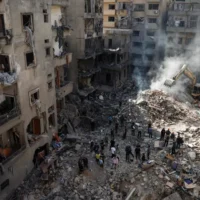
Strikes in Sumy wounded 5, including a girl in a car hit by a drone, while an Odesa sunflower oil spill from port attacks killed wildlife and prompted cleanup. Ukraine reported over 50 frontline battles, the heaviest near Pokrovsk, and claimed a Moscow blast killing 2 police as their spy agency’s work.
Trump talks on territory, with Ukraine ready for de facto concessions but not official recognition due to constitutional referendum requirements. Russia remained silent, with no Putin-Trump calls scheduled despite holiday flexibility, as Zelenskyy welcomed Pope Leo XIV’s ceasefire appeal rejected by Moscow. Public sentiment views it as the best amid “bad or worse” options, with de-escalation, buffers, and guarantees; the prior 19-point version involved US-Kyiv revisions.
Macron pledged security guarantees post-NATO talks, von der Leyen vowed €90 billion EU aid, and Zelenskyy urged unity in a sombre Christmas message despite blackouts and assaults. Ukraine target 3 million FPV drones by year-end, mostly domestic, while exposing Kenyan recruitment for Russia. Pro-Russian hackers hit France’s postal service.
The Russia-Ukraine negotiation process started with Russia fully invading Ukraine on February 24, 2022 and resulting in failed diplomatic efforts around the March-April 2022 timeframe in Istanbul, where Ukraine was asked to declare itself neutral and demilitarise.
After the inauguration of Donald Trump as president in January 2025, on February 12 there was a critical phone conversation between Trump and Vladimir Putin, which was part of a larger, US-led effort to bring an end to the conflict.
In March 2025, the Ukrainian government proposed a 30-day ceasefire, but this was rejected by Russia. In April and May of the same year, the United States created drafts of agreements while the fighting in Ukraine became more intense.
Following a 12-day ultimatum issued by Donald Trump in July, which was also unsuccessful, a presidential summit took place between Donald Trump and Vladimir Putin in August of 2025 in Alaska concerning security promises.
After the cancellation of the Budapest meeting and as a result of Russia’s demands for maximalist territorial gains, discussions were held in Miami from November 30 to December 3 between US diplomats, including Witkoff and Kushner, where the leaked 28-point plan evolved into a 19-point plan presented by the US to Ukraine before discussions for buffers and other resources with the Ukrainian government.
4 days after the Miami talks ended, the Russian delegation met with Ukrainian representatives, and the discussions were deemed constructive, leading to the public unveiling of President Zelenskyy’s 20-point plan on December 24, which addressed territory.