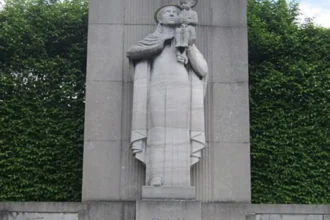
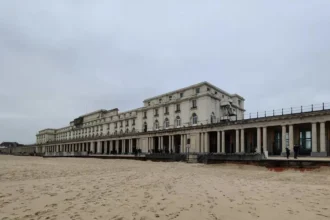
Blankenberge (Brussels Morning Newspaper) January 15, 2026 – Municipal authorities in Blankenberge announced a comprehensive redevelopment plan for the Zeedijk promenade, described as chaotic due to cluttered bollards and outdated infrastructure. The scheme includes the removal of existing bollards to create a more fluid pedestrian-friendly space. Works aim to enhance safety, accessibility, and aesthetic appeal for tourists and residents.
- Origins of Zeedijk’s Chaotic State
- Key Features of the Redevelopment Plan
- Stakeholder Consultations and Approvals
- Phased Implementation Timeline
- Technical Innovations in Design
- Economic and Tourism Impacts
- Historical Context of Blankenberge’s Seafront
- Public Safety Enhancements
- Environmental Sustainability Measures
- Comparison with Regional Projects
- Future Maintenance and Monitoring
The Zeedijk, Blankenberge’s iconic seafront promenade, has long faced criticism for its fragmented layout and obstructive elements. Local officials presented the masterplan during a public consultation event attended by over 200 stakeholders. The initiative responds to years of complaints regarding pedestrian flow and visual disorder.
Engineers from the Flemish region’s mobility department contributed to the design, incorporating sustainable materials and smart urban features. Implementation phases span 2026 to 2028, with a budget allocation of €12 million from municipal and provincial funds.
Origins of Zeedijk’s Chaotic State
Blankenberge’s Zeedijk evolved piecemeal since the 19th century as a vital link between the town’s casino and pier. Post-war reconstructions added concrete bollards to manage vehicle access and protect against storm surges. By the 2010s, over 150 bollards dotted the 1.2-kilometre stretch, creating a perceived barrier to seamless movement.
A 2024 citizen survey revealed 78% of respondents found the promenade chaotic, citing bollard clusters as primary obstacles. Pedestrian accidents rose 15% between 2022 and 2025, according to police logs. The COVID-19 era amplified issues as visitor numbers surged without infrastructure upgrades.
Municipal council meetings in late 2025 prioritised the Zeedijk after adjacent projects like the Nieuwpoort promenade succeeded in decluttering public spaces.
Key Features of the Redevelopment Plan
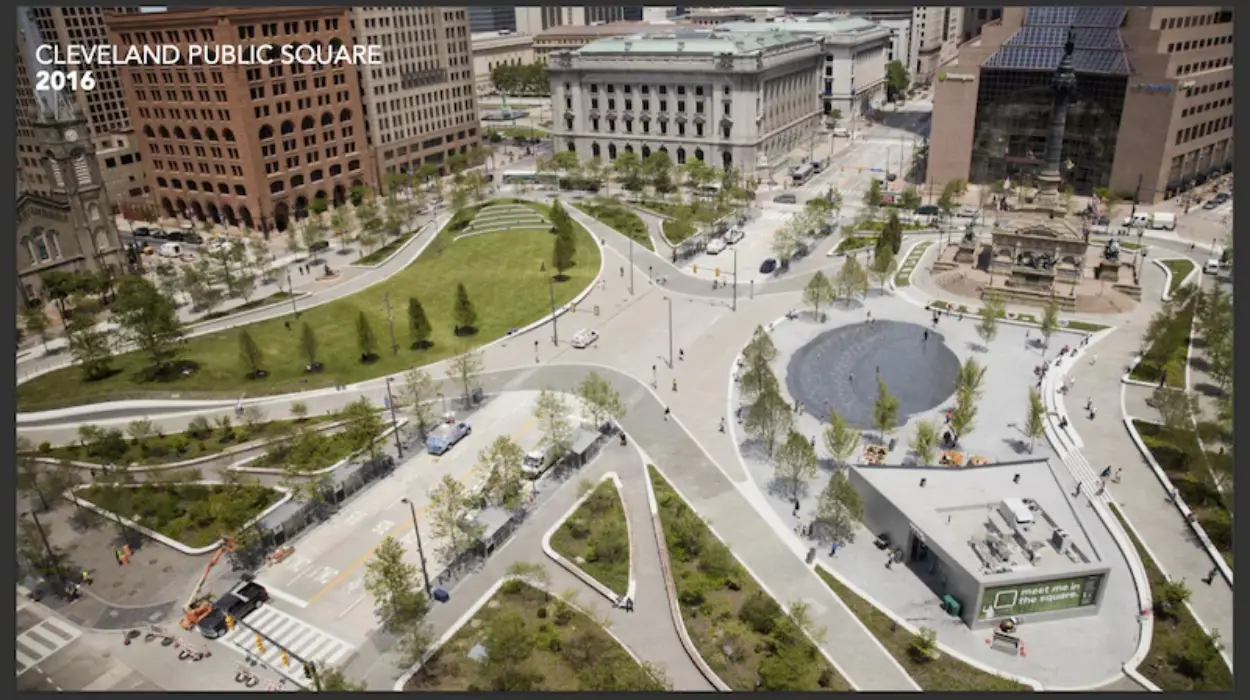
The plan eliminates 90% of bollards, replacing them with flush-mounted delineators and landscaped planters. A unified granite paving replaces mismatched tiles, ensuring wheelchair accessibility throughout. Width expansions at key junctions accommodate cycle paths alongside widened footpaths.
Smart lighting sensors activate during evening hours, reducing energy use by 40%. Greenery integration features drought-resistant coastal plants in elevated beds. Bollard removal opens views to the North Sea, enhancing the promenade’s allure.
Underground cabling tidies electrical fixtures, while modular benches offer flexible seating. Stormwater management channels integrate subtle drainage grates to combat flooding.
Stakeholder Consultations and Approvals
Public input shaped the plan through 12 workshops held from September to December 2025. Traders along the Zeedijk welcomed bollard removal for improved customer access, though some requested temporary protections during works. Environmental groups endorsed native planting schemes.
The Flemish government’s MOBIX department granted permits in early January 2026, conditional on heritage-compliant materials. Blankenberge’s mayor highlighted community buy-in as crucial to the project’s viability.
Neighbouring Ostend officials observed the process, considering similar interventions for their seafront.
Phased Implementation Timeline
Phase one, starting March 2026, targets the central 400-metre section from Casino to the lighthouse. Bollard extraction and paving renewal conclude by July, minimising peak summer disruptions. Temporary signage guides pedestrians during works.
Phase two addresses eastern extensions towards Zeebrugge, incorporating cycle lane signals by autumn 2026. Western segments follow in 2027, with full completion slated for spring 2028. Night shifts reduce daytime interruptions.
Budget breakdowns allocate 45% to hardscaping, 25% to utilities, 20% to greenery, and 10% to contingencies. European Regional Development Funds contribute €2.5 million for green infrastructure.
Technical Innovations in Design
Engineers employed 3D modelling to simulate crowd flows, identifying bottlenecks at former bollard sites. Permeable surfaces mitigate rainwater runoff into the sea. Solar-powered bollard replacements, where retained, include anti-climb features without visual obstruction.
Accessibility ramps have a gradient at 1:20 ratios, surpassing Belgian standards. Tactile paving aids visually impaired navigation. Wi-Fi hotspots at benches support tourist information apps.
Coastal erosion defences embed beneath the surface, extending the promenade’s lifespan.
Economic and Tourism Impacts
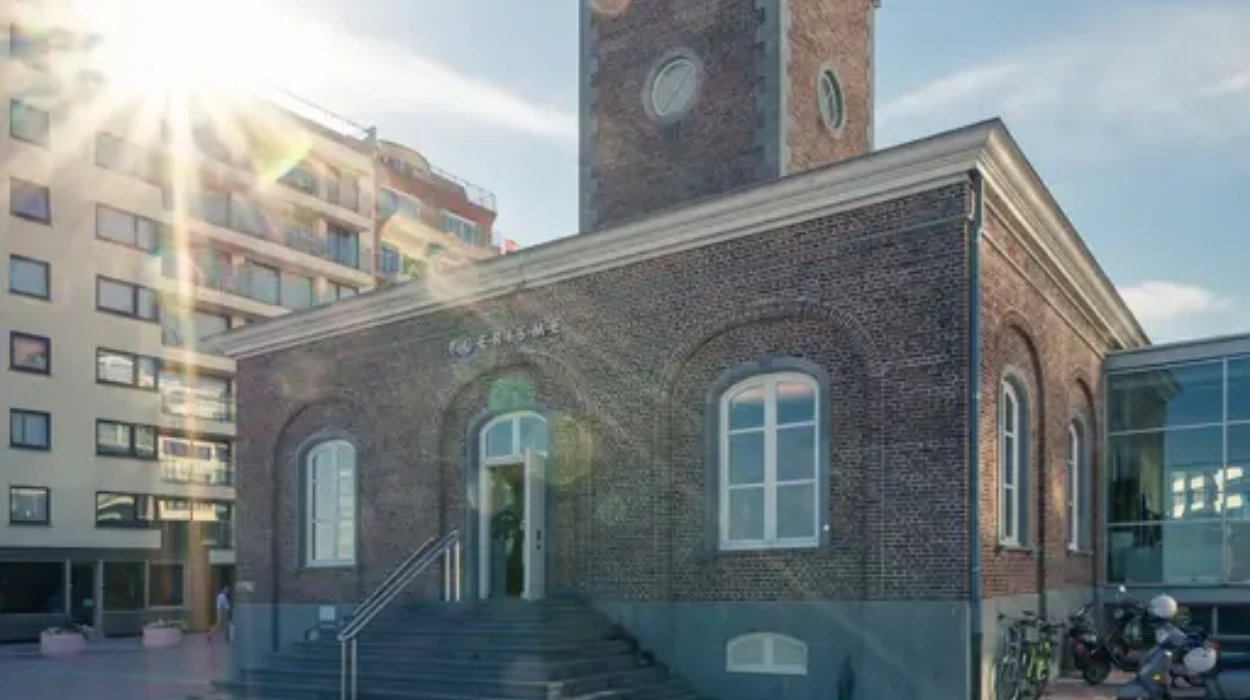
Blankenberge council projects a 12% visitor uptick post-revamp, mirroring Knokke-Heist’s promenade gains. Local businesses anticipate higher dwell times without bollard barriers. Summer festivals gain expanded staging areas.
Job creation totals 85 positions during construction, prioritising Flemish Brabant residents. Long-term maintenance contracts sustain employment.
The plan aligns with Belgium’s 2030 Coastal Vision, promoting sustainable tourism infrastructure.
Historical Context of Blankenberge’s Seafront
Blankenberge emerged as a resort in the 1830s, with Zeedijk formalised in 1870. Belle Époque villas line the upper promenade, influencing material choices. 1953 storm floods prompted initial bollard installations for debris control.
Restorations in 1995 and 2012 addressed wear but retained bollard density. Climate change projections necessitated resilient designs in the current scheme.
Vilvoorde’s urban renewal successes informed Blankenberge’s approach.
Public Safety Enhancements
CCTV expansions cover blind spots post-bollard removal. Emergency call points install every 100 metres. Bollard-free zones reduce trip hazards, targeting a 25% accident drop.
Police partnerships train seasonal patrols on new layouts. Child-safe railings enclose planter edges.
Environmental Sustainability Measures
Native dune grasses stabilise soil, boosting biodiversity. Rainwater harvesting irrigates plantings, cutting municipal water use. LED fixtures achieve 80% energy savings over halogens.
Waste bins feature smart compaction, decreasing collection frequency. Bicycle racks double their capacity to encourage eco-mobility.
Comparison with Regional Projects
Ostend’s 2024 promenade refresh removed 60 bollards, yielding 18% footfall growth. De Panne’s scheme integrated wave energy harvesters. Knokke-Heist’s model influenced Blankenberge’s phased rollout. Zeebrugge port expansions complement Zeedijk connectivity.
Future Maintenance and Monitoring
A 10-year upkeep contract assigns responsibilities to specialised firms. Annual audits assess wear and user satisfaction. Adaptive tweaks follow seasonal feedback. Digital twins enable predictive maintenance via sensors. Blankenberge positions the revamped Zeedijk as a model for Flemish coastal renewal.