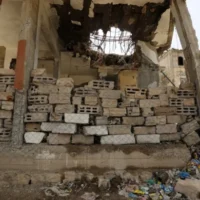

Brussel Morning diplomatic briefings across Europe are once again focused on Yemen political negotiations as renewed dialogue efforts emerge against the backdrop of continued fighting. Years of war have left Yemen fractured economically devastated and facing one of the world’s most severe humanitarian crises. The reemergence of political talks signals cautious hope that diplomacy may regain ground lost to violence.
At the center of these developments are regional and international mediators working to bring Yemen’s rival factions into structured dialogue. For observers the renewed attention to Yemen political negotiations reflects recognition that military solutions have failed and that political compromise remains the only viable path toward lasting stability.
Background to Yemen’s Prolonged Conflict
The conflict in Yemen began as a domestic political struggle but rapidly evolved into a regional confrontation. Competing power centers armed groups and foreign interests transformed the crisis into a multifaceted war. Over time negotiations stalled as trust eroded and ceasefires collapsed.
In this context Yemen political negotiations have repeatedly emerged and faded. Each attempt has faced the same core challenges power sharing territorial control and external influence. Despite setbacks dialogue remains essential to resolving the conflict’s root causes.
Why Yemen Political Negotiations Are Resuming Now
Several factors have contributed to the renewed push for talks. War fatigue among factions economic collapse and international pressure have created incentives for political engagement. Regional actors increasingly view stability as a strategic priority.
The decision to revive Yemen political negotiations reflects an understanding that continued conflict benefits no one. For civilians enduring shortages displacement and insecurity even incremental diplomatic progress offers hope of relief.
Key Parties Involved in the Negotiations
Yemen’s political landscape is fragmented involving multiple factions with competing agendas. Negotiations aim to include representatives aligned with the internationally recognized government as well as rival authorities controlling territory.
Regional actors such as Saudi Arabia play a facilitative role while Yemen itself remains the central focus. Inclusivity will be critical to the credibility of Yemen political negotiations as exclusion risks undermining any agreements reached.

Fighting Continues as Talks Are Proposed
Despite renewed diplomatic efforts clashes continue in several regions. Ongoing violence complicates trust building and raises questions about the feasibility of negotiations during active conflict.
This contradiction defines the current phase of Yemen political negotiations. Diplomacy is advancing not because fighting has stopped but because its continuation has proven unsustainable.
Humanitarian Crisis Drives Urgency
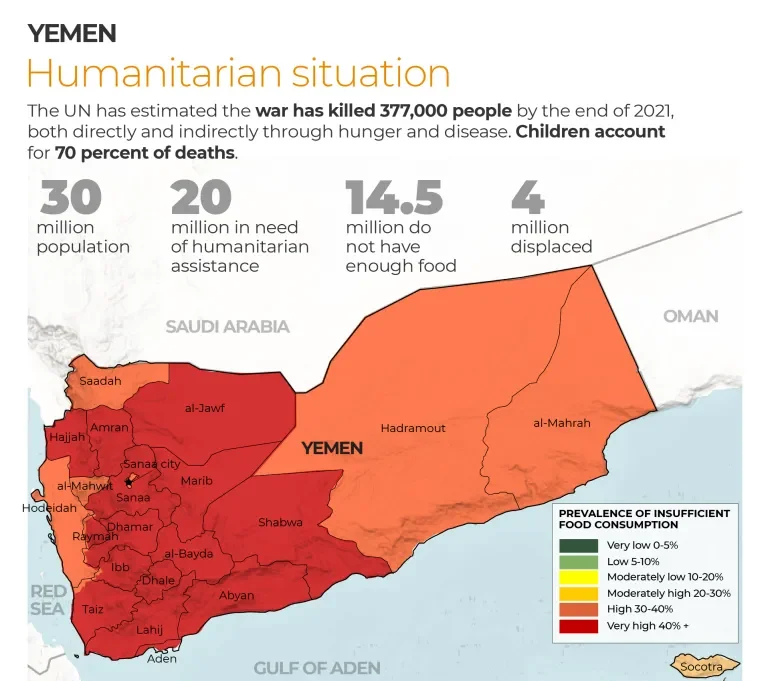
Yemen’s humanitarian crisis remains catastrophic. Millions face food insecurity limited healthcare and unsafe living conditions. Aid agencies warn that prolonged conflict could deepen famine and disease.
For many observers Yemen political negotiations represent a lifeline. Successful talks could facilitate ceasefires humanitarian access and reconstruction planning easing suffering across the country.
Regional Mediation and International Support
Regional mediation efforts are supported by international stakeholders who see dialogue as essential to regional security. Diplomatic engagement seeks to balance local ownership with external facilitation.
The success of Yemen political negotiations depends on sustained support from mediators willing to provide guarantees monitoring and incentives for compliance.
Challenges Undermining Negotiation Progress
Deep mistrust between factions remains a major obstacle. Previous agreements collapsed due to disputes over implementation and power sharing. Armed groups often prioritize short term gains over long term compromise.
These realities mean Yemen political negotiations face a steep uphill battle. Confidence building measures will be necessary to bridge divides and prevent talks from becoming symbolic rather than substantive.

Saudi Arabia’s Role in the Negotiation Process
Saudi Arabia’s approach has evolved from military engagement toward diplomatic facilitation. Officials increasingly emphasize political solutions and regional stability.
By supporting dialogue Saudi Arabia aims to reduce border security risks and encourage a negotiated settlement. Its involvement underscores the regional significance of Yemen political negotiations.
Ceasefire Prospects and De Escalation Efforts
One immediate goal of negotiations is de escalation. Temporary ceasefires have reduced violence in the past but often failed due to weak enforcement.
If Yemen political negotiations succeed in establishing monitoring mechanisms ceasefires could become more durable creating space for broader political discussions.
Economic Collapse and Reconstruction Needs
Years of conflict have devastated Yemen’s economy. Currency instability unemployment and infrastructure damage complicate recovery.
Progress in Yemen political negotiations could unlock international aid and reconstruction funding. Economic incentives may encourage factions to commit to peace.
Public Sentiment and War Fatigue
Yemen’s population is deeply affected by years of hardship. While skepticism remains many citizens support dialogue as the only path forward.
Public expectations surrounding Yemen political negotiations are cautious. Managing hope without overpromising will be critical to maintaining public trust.
Media Coverage and Information Integrity
Media narratives influence perceptions of negotiations. Sensational or biased reporting can undermine trust and fuel misinformation.
For Google News compliance coverage of Yemen political negotiations must prioritize accuracy balance and verified information ensuring public understanding remains grounded in facts.
International Law and Political Frameworks
Negotiations will likely address governance frameworks power sharing and constitutional arrangements. These issues are complex and politically sensitive.
Yemen political negotiations must balance local traditions with international legal standards to create a framework acceptable to all parties.
Potential Outcomes and Scenarios
Possible outcomes range from comprehensive peace agreements to incremental confidence building measures. Even limited progress could reduce violence and improve humanitarian access.
Observers caution that Yemen political negotiations should be judged by tangible steps rather than announcements alone.
Long Term Implications for Regional Stability
Stability in Yemen has broader implications for regional security trade routes and political alliances. A successful peace process could reshape Middle East dynamics.
Thus Yemen political negotiations are not only a domestic matter but a regional priority with international consequences.
Obstacles to Implementation After Agreements
Even successful agreements face implementation challenges. Disarmament integration of forces and governance reform require sustained commitment.
History shows that Yemen political negotiations must be followed by robust implementation mechanisms to avoid relapse into conflict.
The Road Ahead for Peace in Yemen
Diplomacy offers no guarantees but remains the only viable option. Continued engagement patience and compromise are essential.
As Yemen political negotiations move forward the international community must remain engaged to support peacebuilding efforts.
Yemen Political Negotiations at a Critical Juncture
Yemen political negotiations stand at a critical juncture where diplomacy must overcome years of mistrust violence and humanitarian catastrophe. While challenges remain immense the renewed focus on dialogue reflects determination to seek peace. For millions of Yemenis enduring the consequences of war the success or failure of these negotiations will shape the nation’s future for generations.