Tehran, Iran – March 18, 2026 (Brussels Morning Newspaper) — women sports Iran crisis has escalated into a major international issue after Iran’s women’s football team returned home following a highly publicized asylum controversy. The development has triggered global debate over athlete safety, personal freedom, and the evolving role of women in competitive sports within the country.
The situation has become more than a sports story. It now reflects a broader conversation about rights, governance, and international accountability. Observers say this moment could shape the future of women’s athletics not only in Iran but across regions facing similar challenges.
Global Attention Intensifies Around the Crisis
The unfolding women sports Iran crisis has drawn immediate attention from international organizations, policymakers, and sports authorities. What initially appeared to be an isolated controversy quickly transformed into a widely discussed global issue.
Countries across Europe and North America have expressed concern about the welfare of the athletes involved. Advocacy groups have called for independent reviews and safeguards to ensure that players are not placed in situations where their safety or freedom is at risk.
A senior global sports analyst stated,
“This situation goes far beyond competition. It reflects a deeper issue of how athletes are treated in environments where freedoms may be restricted.”
The level of attention highlights the increasing intersection between sports and global human rights discussions.
Origins of the Asylum Controversy
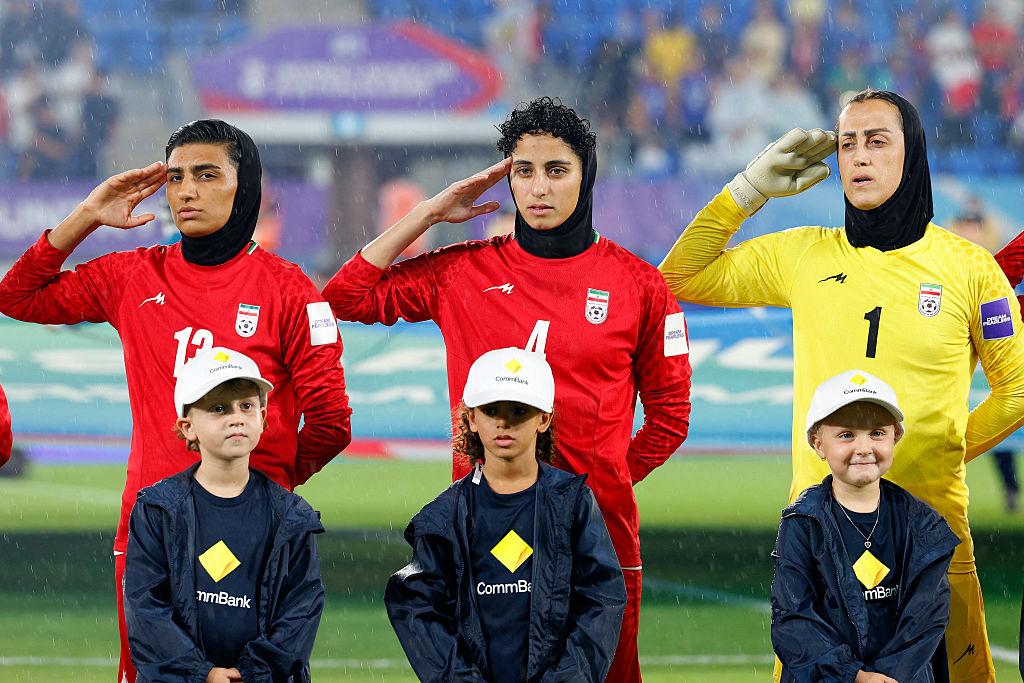
The women sports Iran crisis began when reports emerged that some members of the Iranian women’s football team were hesitant to return home after competing abroad. Concerns reportedly centered on personal freedoms, professional limitations, and potential repercussions.
Although no official asylum claims were confirmed, the possibility itself triggered a wave of speculation and concern. The narrative quickly gained traction, leading to heightened scrutiny from international media outlets.
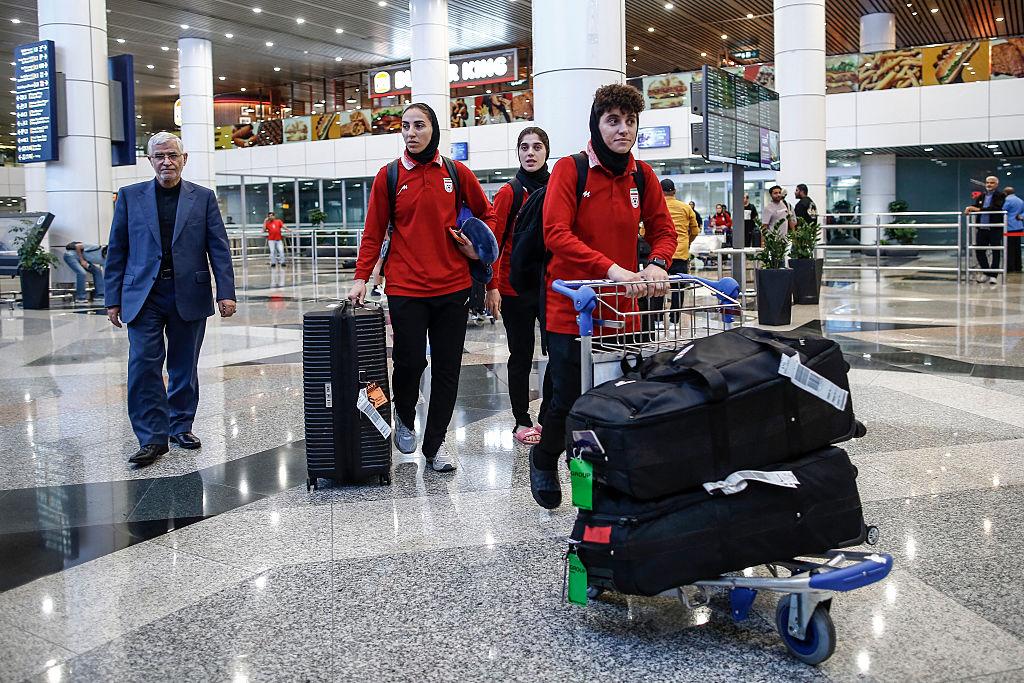
Iranian officials dismissed the reports, stating that all players returned voluntarily and that the situation had been exaggerated. However, the lack of independent verification has left room for continued debate.
Government Response and Official Position
Authorities in Iran have maintained a firm stance regarding the women sports Iran crisis. Officials insist that the team’s return was planned and that there was no coercion involved.
Government representatives have emphasized national unity and criticized foreign media for what they describe as biased reporting. They argue that the situation has been politicized unnecessarily.
A spokesperson for the administration commented,
“Our athletes are proud representatives of the nation, and their return demonstrates stability and unity.”
Despite these statements, international observers remain cautious, noting that transparency remains a key concern.
Emotional and Personal Impact on Athletes
The human dimension of the women sports Iran crisis cannot be overlooked. Behind the headlines are athletes who have faced immense pressure, both publicly and privately.
Many players reportedly struggled with the decision to return, weighing personal aspirations against national expectations. Families were also deeply affected, as uncertainty surrounding the situation created additional stress.
One anonymous player shared,
“We love our country and our sport, but we also want to feel secure and respected.”
This statement captures the emotional complexity of a situation that extends far beyond the football field.
International Sports Community Responds
The women sports Iran crisis has prompted strong reactions from the global sports community. Organizations are increasingly calling for reforms aimed at protecting athletes’ rights during international competitions.
Discussions are underway about implementing new policies that ensure players can compete without fear of repercussions. Advocacy groups are also pushing for independent monitoring systems to safeguard athlete welfare.
These developments indicate that the impact of the controversy may extend well beyond Iran, influencing global sports governance.
Impact on Women’s Sports Development in Iran
The women sports Iran crisis has brought renewed attention to the challenges faced by female athletes in Iran. While progress has been made over the years, significant barriers remain.
Limited funding, societal expectations, and regulatory constraints have historically shaped the landscape of women’s sports in the country. This controversy has highlighted these issues on an international stage.
Experts believe that increased scrutiny could lead to reforms, but there is also concern that resistance to change may persist.
Media Narratives and Public Opinion Divide
Media coverage of the women sports Iran crisis has varied widely, contributing to differing public perceptions. International outlets have largely focused on human rights concerns, while domestic coverage has emphasized national pride and resilience.
Social media platforms have amplified the debate, with users expressing a range of perspectives. Some view the return as a positive resolution, while others see it as evidence of deeper systemic issues.
This divide underscores the complexity of the narrative and the role of media in shaping public opinion.
Historical Context Behind the Crisis
The women sports Iran crisis is rooted in a broader historical context. Women’s participation in sports in Iran has evolved over decades, often influenced by cultural and political factors.
While there have been notable achievements and increased visibility for female athletes, challenges remain. Access to resources, opportunities, and equal representation continue to be areas of concern.
Understanding this history provides valuable insight into the significance of the current situation.
Political Dimensions Shaping the Situation
The women sports Iran crisis also reflects underlying political dynamics. Analysts suggest that the controversy highlights tensions between traditional policies and changing societal expectations.
International reactions have added a diplomatic dimension, with several countries voicing concerns about athlete welfare. These developments have further complicated the situation, making it a multifaceted issue involving both sports and politics.
Future Outlook for Women Athletes
Looking ahead, the women sports Iran crisis raises critical questions about the future of female athletes in Iran. Will this moment lead to meaningful reforms, or will it reinforce existing challenges?
The answer will depend on the actions taken by authorities, the response of the international community, and the resilience of the athletes themselves.
What is clear is that the situation has created a turning point that could influence the trajectory of women’s sports for years to come.
Global Implications for Sports and Human Rights
The women sports Iran crisis has broader implications for the global sports community. It highlights the need for stronger protections and greater accountability to ensure that athletes can compete freely and safely.
As sports continue to intersect with social and political issues, the lessons learned from this controversy may shape future policies and practices worldwide.
What Lies Ahead
The women sports Iran crisis has become a defining issue in 2026, bringing global attention to the challenges faced by female athletes. The return of the team has provided temporary closure but left many critical questions unanswered.
This situation has exposed deeper concerns about rights, safety, and equality in sports.
What happens next will not only determine the future of women’s athletics in Iran but also influence how the global community addresses similar challenges moving forward.