The debate over Tarique Rahman return matters has moved to the center of Bangladesh’s political conversation. What once seemed like a distant possibility is now discussed as a potential turning point for opposition politics, democratic balance, and national political culture. For years, the Bangladesh Nationalist Party has operated under constrained conditions, with its top leader directing strategy from abroad. That reality has shaped not only party organization but also public confidence in political alternatives.
As speculation about his return intensifies, the issue has grown beyond party lines. Supporters view it as a chance for renewal and assertive opposition leadership. Critics see risks tied to political stability and unresolved controversies. Either way, understanding why Tarique Rahman return matters requires a deeper look at Bangladesh’s political structure, the state of opposition politics, and the expectations of a population seeking meaningful representation.
Who Is Tarique Rahman
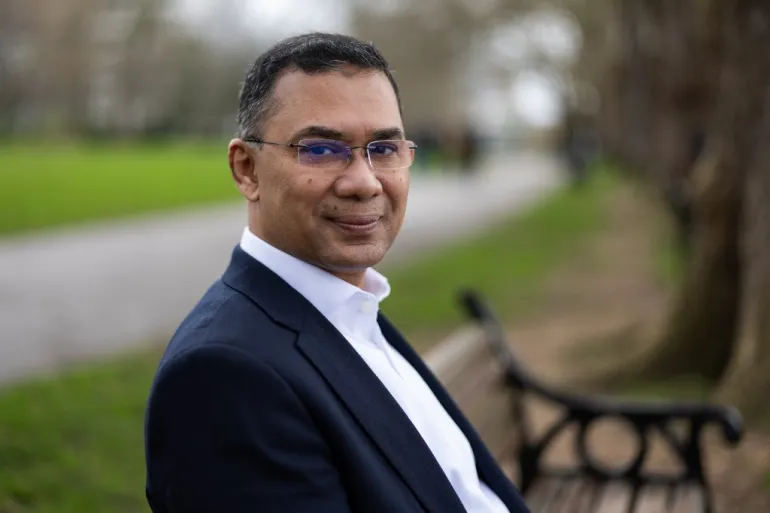
Tarique Rahman serves as the acting chairman of the Bangladesh Nationalist Party. As the son of former president Ziaur Rahman and former prime minister Khaleda Zia, his political identity is closely tied to one of the country’s most influential political legacies.
Over time, he has transitioned from being seen primarily as an heir to power into a central strategist for the BNP. Even while living abroad, his role in shaping policy positions, protest strategies, and organizational decisions has remained significant. This sustained influence explains why the Tarique Rahman return matters discussion carries such weight across the political spectrum.
Bangladesh’s Political Landscape Today
Bangladesh has experienced prolonged political polarization, with one dominant party controlling most state institutions and opposition forces operating under pressure. Elections have often been contested, with questions raised about competitiveness, participation, and fairness.
In this environment, the Tarique Rahman return matters debate reflects a broader desire among many citizens for political balance. A physically present opposition leader could reshape how politics is practiced, offering voters clearer choices and potentially restoring confidence in democratic competition.
The Impact of Long Term Absence
Tarique Rahman’s absence has had tangible consequences for the BNP. Leadership gaps, coordination challenges, and uneven grassroots mobilization have weakened the party’s ability to sustain momentum.
Supporters argue that the Tarique Rahman return matters because leadership visibility is crucial in Bangladesh’s highly personalized political culture. Physical presence allows for direct engagement with party workers, symbolic leadership during crises, and clearer communication with the public.
Symbolism and Political Identity
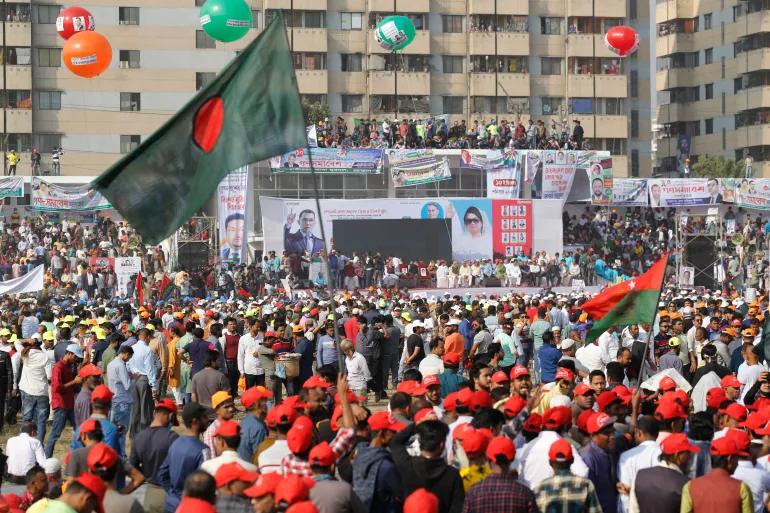
Politics in Bangladesh is deeply symbolic. Leaders often embody narratives of resistance, legitimacy, and continuity. For BNP supporters, Tarique Rahman represents not just a party leader but a continuation of a political tradition that they believe has been marginalized.
This emotional connection explains why the Tarique Rahman return matters narrative resonates so strongly. His return would symbolize endurance and challenge perceptions that the opposition has been permanently sidelined.
Internal BNP Dynamics
Within the BNP, leadership clarity has been a recurring issue. While Tarique Rahman holds formal authority, day to day operations have often depended on senior figures navigating restrictions and uncertainty.
The Tarique Rahman return matters because it could reorganize internal power structures. A present leader could unify factions, enforce discipline, and streamline decision making, potentially making the party more effective and cohesive.
Electoral Politics and Participation
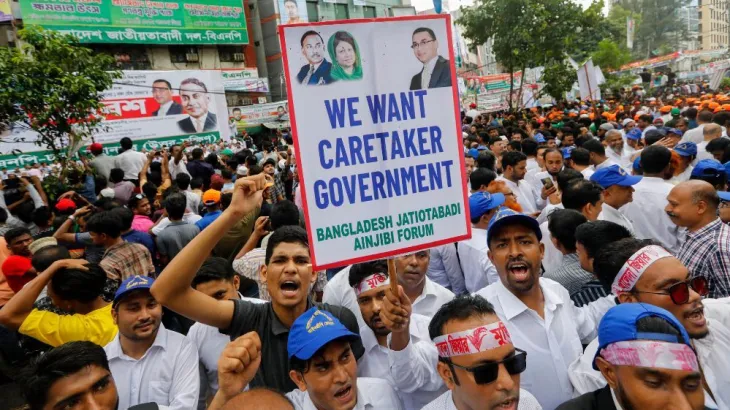
Elections are central to democratic legitimacy, yet voter participation and opposition engagement have declined in recent years. Boycotts and skepticism have weakened public faith in the electoral process.
Many analysts believe the Tarique Rahman return matters because it could encourage broader participation. His leadership might persuade opposition supporters that elections are worth engaging in, potentially increasing turnout and competitiveness.
Legal and Accountability Considerations
Critics frequently point to unresolved legal cases and allegations associated with Tarique Rahman. These issues remain part of public debate and cannot be ignored.
This is where the Tarique Rahman return matters discussion becomes particularly complex. Supporters argue that legal actions have been politically motivated, while critics stress the importance of accountability. How these issues are addressed will shape public perception and institutional credibility.
International and Regional Implications
Bangladesh’s political stability matters regionally and globally due to its economic growth, population size, and strategic location. International partners often emphasize inclusive politics and credible opposition as indicators of democratic health.
From this perspective, the Tarique Rahman return matters beyond domestic politics. His return could influence how Bangladesh is viewed internationally, particularly in discussions around governance, human rights, and political pluralism.
Youth Expectations and Political Renewal
A large portion of Bangladesh’s population is young, with aspirations shaped by education, digital connectivity, and economic ambition. Many young voters feel disconnected from traditional political narratives.
The Tarique Rahman return matters to this demographic if it leads to modernization of opposition politics. Whether he can articulate policies that address employment, education, and opportunity will be critical for engaging younger generations.
Media Narratives and Public Debate
Media coverage has played a powerful role in shaping perceptions of Tarique Rahman. Supportive outlets frame his return as necessary for democratic balance, while critics warn of instability.
The intensity of the Tarique Rahman return matters debate reflects deeper societal divisions. How media narratives evolve will influence whether his return is seen as constructive or confrontational.
Potential Risks of Return
A return would not be without challenges. Political tensions could rise, expectations may be difficult to meet, and opposition unity is never guaranteed.
Analysts caution that the Tarique Rahman return matters only if managed carefully. Strategic restraint, dialogue, and clear policy priorities would be essential to avoid escalating polarization.
Supporter Expectations
Supporters hope his return would revitalize grassroots activism, clarify party messaging, and present a credible alternative vision for governance.
For them, the Tarique Rahman return matters because it offers a chance to reassert opposition relevance through political engagement rather than prolonged marginalization.
Critic Concerns
Critics worry that his return could revive old rivalries and distract from governance challenges such as inflation, employment, and public services.
They argue that the Tarique Rahman return matters negatively if it deepens confrontation rather than encouraging constructive competition. This concern underscores the high stakes involved.
Democratic Principles at Stake
At its core, the debate raises fundamental questions about democratic space. Can opposition leaders operate freely? Can political competition exist without fear or exclusion?
In this sense, the Tarique Rahman return matters as a broader test of political pluralism in Bangladesh. The outcome could influence how future opposition leaders are treated and how democracy evolves.
Long Term Political Impact
Looking beyond immediate reactions, Tarique Rahman’s return could reshape Bangladesh’s political trajectory for years. It may influence party alignments, electoral strategies, and public engagement.
Whether this impact is stabilizing or disruptive will depend on leadership choices, institutional responses, and public expectations. Either way, the Tarique Rahman return matters as a defining moment.
The question of Tarique Rahman return matters is ultimately about more than one political figure. It speaks to the condition of opposition politics, the balance of power, and the future of democratic participation in Bangladesh.
For supporters, his return represents hope, leadership, and renewal. For critics, it raises serious concerns about accountability and stability. What remains clear is that his return would reshape political dynamics, influence electoral participation, and redefine public debate. In that broader context, why Tarique Rahman return matters is a question with lasting national significance.