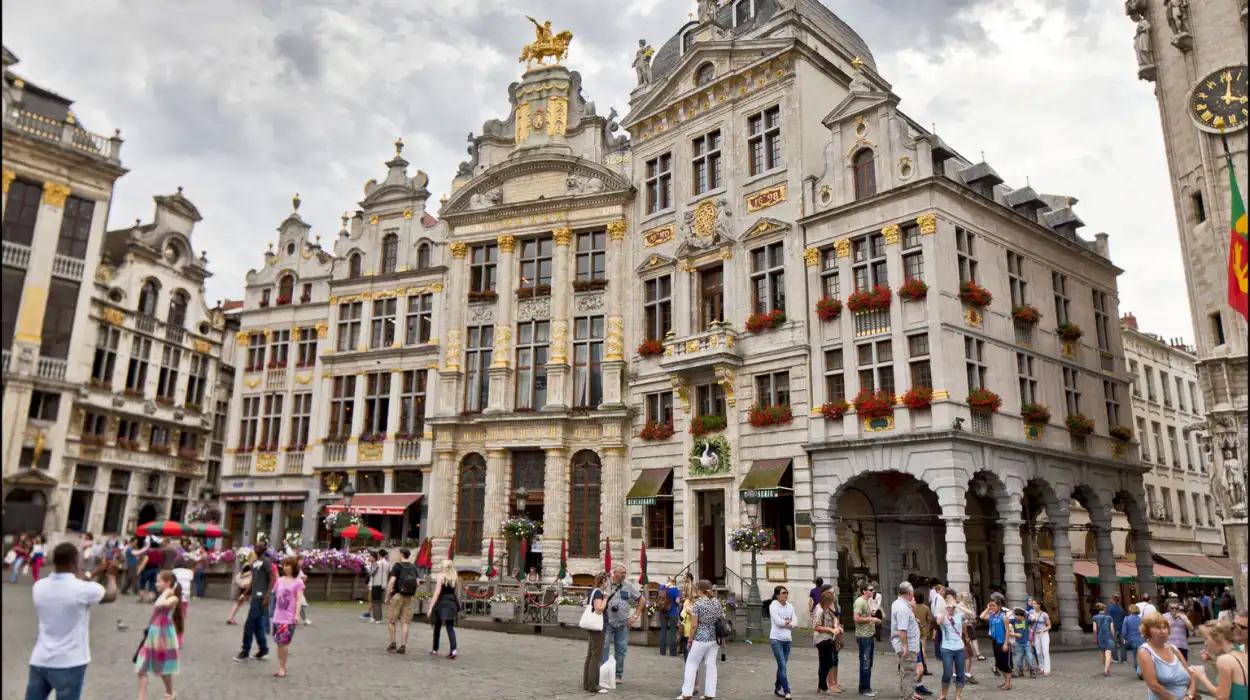
Brussels is widely recognized as the de facto capital of Europe, a status that stems from a unique combination of history, geography, politics, and international diplomacy. Although the European Union (EU) does not have an official capital—the EU being a supranational organization with multiple governing bodies spread across different cities—Brussels hosts the majority of its key institutions.
This concentration of EU power in Brussels has earned the city its nickname, “the capital of Europe,” reflecting its central role in shaping European and global policy.
What historical events led Brussels to host major EU institutions
Several historical events and practical considerations led Brussels to become the host of major European Union (EU) institutions, making it the de facto capital of Europe. The process began in the aftermath of World War II when efforts to foster peace and integration across Europe resulted in the establishment of the European Communities, the predecessors of today’s EU.
In 1951, the Treaty of Paris created the European Coal and Steel Community (ECSC), with initial institutions such as the High Authority, the Council of Ministers, the Court of Justice, and the Common Assembly. Although several cities were candidates to host these institutions, Brussels was among the choices due to its central location, but the Belgian government initially backed the city of Liège.
Internal political instability prevented strong formal backing for Brussels at the time, and Luxembourg was chosen as a provisional seat, while the Common Assembly met in Strasbourg.
The founding treaties of 1957, including the Treaty of Rome, further expanded the European Communities with the creation of the European Economic Community (EEC) and the European Atomic Energy Community (Euratom).
Discussions about the location of their institutions were postponed to avoid hindering ratification. Brussels entered the negotiation late but received unofficial support from several member states. An agreement to concentrate executives, councils, and the assembly in one city was reached in principle, but the specific location was undecided, leading to a delay in the final decision.
By 1958, Brussels began hosting services in various office buildings, including Château of Val-Duchesse and central city locations, while waiting for suitable permanent facilities. The Belgian government actively invested in infrastructure to support the institutions, demonstrating Brussels’s commitment.
A Committee of Experts eventually recommended Brussels as the ideal European capital due to its metropolitan size, communications, housing capacity for civil servants, open economy, and geopolitical neutrality, positioned halfway between France, Germany, and the United Kingdom.
Political disagreements among member states prolonged the decision—France favored Strasbourg, Luxembourg fought to retain some institutions, and Italy opposed various compromises. Nevertheless, Brussels continued to grow as the practical seat of European institutions, with the construction of dedicated buildings like the Berlaymont.
The European Parliament began moving portions of its sessions to Brussels, despite some controversies and legal challenges, and the 1992 Edinburgh European Council confirmed Brussels as a seat for many EU institutions alongside Strasbourg and Luxembourg.
Brussels’s role was further solidified when the European Council established its permanent seat in the city in 2002, making it the epicenter of most EU political activity. The city’s excellent transport links, infrastructure, and capacity to host international diplomats and civil servants reinforced its status.
The combination of geographic, political, and historical factors made Brussels the natural choice for hosting the major EU institutions, shaping its identity as the capital of Europe in practice.
Concentration of EU Institutions and Influence
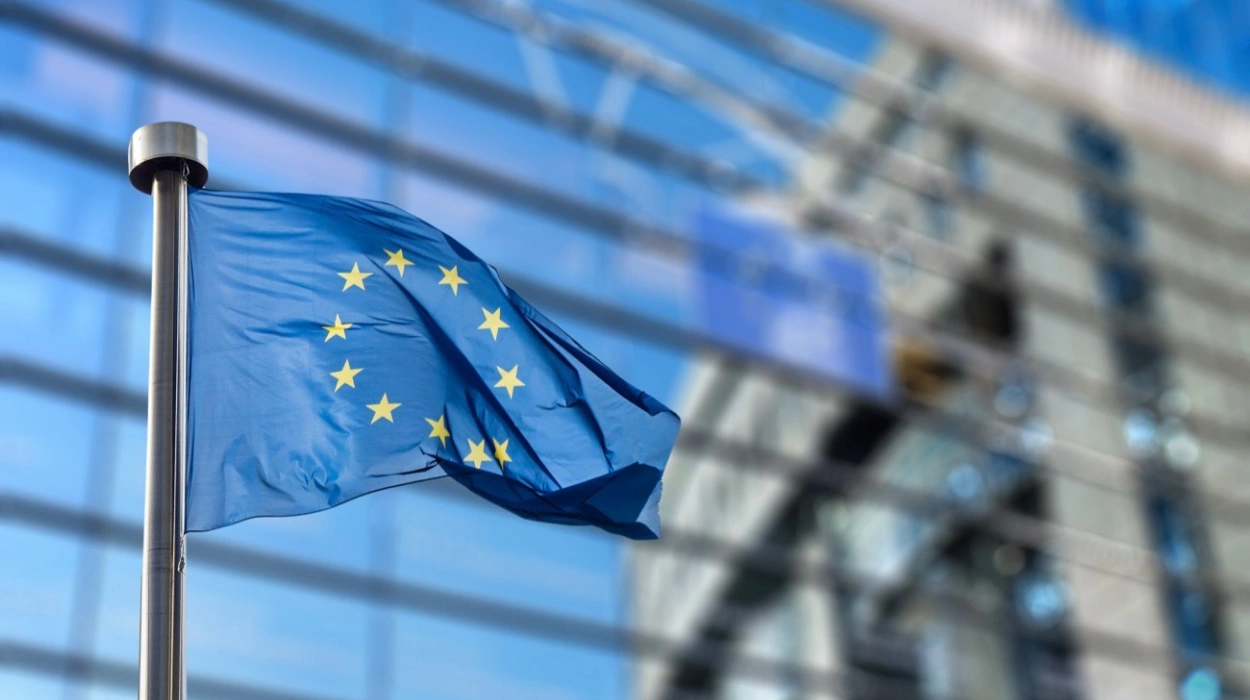
Brussels’s “European Quarter” is home to iconic buildings like the Berlaymont, housing the European Commission; the Europa building for the Council; and the Espace Léopold complex of the European Parliament. This concentration of institutions supports approximately 25,000 European civil servants, making Brussels a vital center for European policymaking.
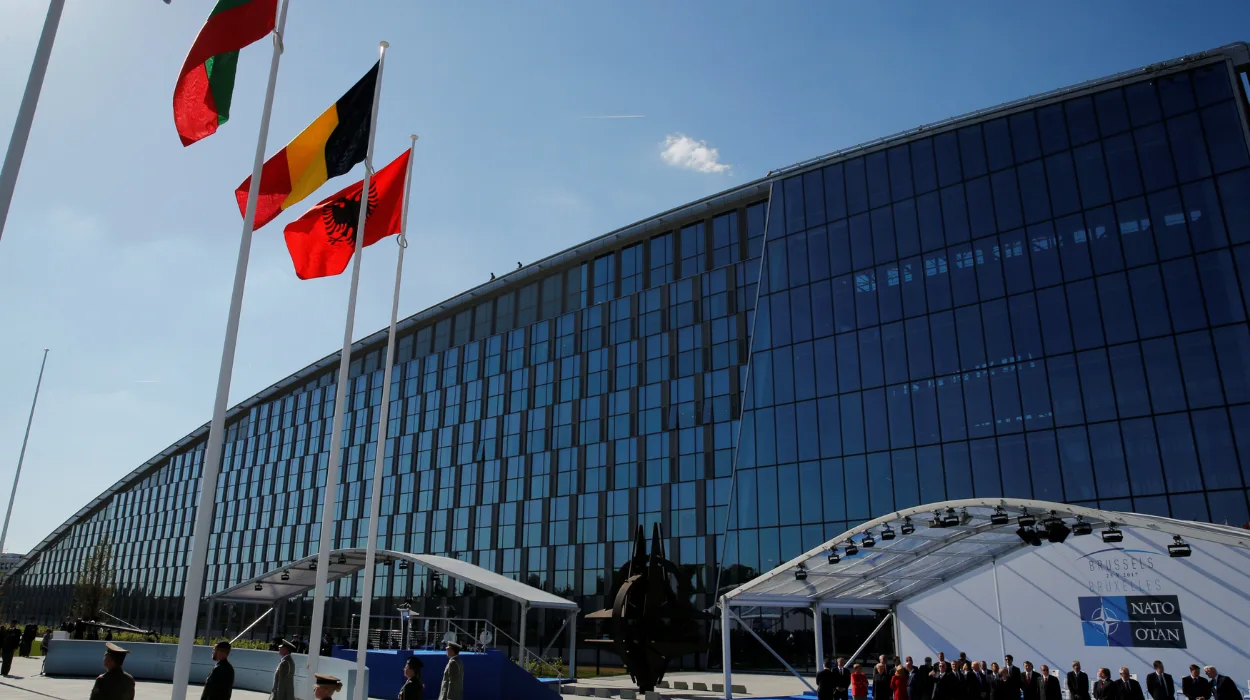
In addition to the EU, Brussels hosts the headquarters of NATO, the Benelux Secretariat, and numerous international organizations, further cementing its role as a global diplomatic hub. The city’s political, economic, and logistical infrastructure has evolved to support these complex institutions, making it an indispensable seat of power within Europe.
Symbolic and Practical Reasons
Brussels embodies the symbolic values of European unity, neutrality, and cooperation, reinforced through decades of hosting cross-border governance mechanisms. Its multicultural population, bilingual policies (French and Dutch), and open economy reflect the pluralistic nature of the European project.
Practical factors also play a key role. Brussels’s excellent transportation networks connect it efficiently with other European capitals, easing diplomatic transit and communication. Its status as Belgium’s national capital integrates EU governance with Belgian political structures in a unique coexistence, enhancing Brussels’s profile as Europe’s center of power.
How did NATO and Benelux choose Brussels for their headquarters?
Several historical events and political considerations led Brussels to become the preferred location for hosting major European Union (EU) institutions, establishing its role as the de facto capital of Europe. After World War II, European integration efforts began with the Treaty of Paris in 1951, creating the European Coal and Steel Community (ECSC) among six founding countries.
The ECSC established its first institutions, including the High Authority, Council of Ministers, Court of Justice, and Common Assembly. Several cities were considered to serve as seats for these institutions, but Brussels’s geographic location—central between France, Germany, and the United Kingdom—offered a politically neutral and accessible site, making it an attractive compromise candidate.
Although the Belgian government initially supported Liège, Brussels gradually gained favor due to its infrastructure and metropolitan capacity.
With the signing of the Treaty of Rome in 1957, establishing the European Economic Community (EEC) and the European Atomic Energy Community (Euratom), discussions about the seat of these new institutions intensified.
To avoid delaying ratification, the final decisions on seats were postponed. Eventually, Brussels moved in with temporary offices while negotiations continued. A Committee of Experts later recommended Brussels due to its active metropolis status, excellent communications with other capitals, ample housing for European civil servants, and its position at the crossroads of Latin and Germanic Europe.
Despite political disagreements among member states, Brussels steadily developed as the hub for the European Commission, Council of the European Union, and much of the European Parliament’s activity. The Edinburgh European Council in 1992 formalized Brussels as a seat for many institutions, solidifying its role by housing the European Council from 2002 onward.
In parallel, Brussels’s status was bolstered by its infrastructure investments, including high-capacity office buildings and well-connected transport facilities like the Schuman metro station, enabling it to serve as a practical and symbolic center for European governance.
This historical trajectory, shaped by strategic geographic considerations, member state negotiations, and proactive Belgian government involvement, led to Brussels becoming synonymous with the European Union’s political life.
NATO and Benelux also chose Brussels as their headquarters largely due to Belgium’s strategic neutrality, geographic centrality, and readiness to host international institutions. NATO’s headquarters moved to Brussels in 1967 after France’s withdrawal from its military command, and the Belgian government promptly offered facilities and support.
The site selected was in the Haren district of Brussels, close to major transport routes and within a politically stable country. Similarly, the Benelux Union, a regional cooperation between Belgium, the Netherlands, and Luxembourg, placed its secretariat in Brussels to capitalize on the city’s existing role as a center for European diplomacy and administration.
Brussels’s reputation as a neutral, internationally minded city made it a natural locus for such multinational organizations, aligning with its growing profile as Europe’s political capital.
Ongoing Debates and Perspectives
While Brussels is often dubbed the EU’s “capital,” other cities like Strasbourg and Luxembourg share institutional functions and are sometimes referred to as joint capitals of Europe.
Strasbourg retains the EU Parliament’s official seat, symbolizing Franco-German reconciliation, and Luxembourg hosts judicial bodies.Despite this dispersion, Brussels is preferred for most institutional activities due to its scale, resources, and symbolic neutrality. Prominent political figures and international commentators have also recognized Brussels’s importance; for instance, former U.S. Vice President Joe Biden referred to Brussels as “the capital of Europe” in a speech to the European Parliament.
Dear reader,
Opinions expressed in the op-ed section are solely those of the individual author and do not represent the official stance of our newspaper. We believe in providing a platform for a wide range of voices and perspectives, even those that may challenge or differ from our own. We remain committed to providing our readers with high-quality, fair, and balanced journalism. Thank you for your continued support.