
Brussels Morning Newspaper reports indicate that Israeli forces carried out widespread West Bank raids overnight, moving through towns, villages, and refugee camps in coordinated operations that resulted in dozens of arrests and the demolition of at least one residential home. Residents across several districts described a heavy military presence appearing before dawn, with armored vehicles entering narrow streets and soldiers surrounding homes.
These operations unfolded simultaneously in multiple locations, suggesting a high level of planning and intelligence coordination. For many Palestinian communities, such actions are no longer exceptional events but recurring episodes that disrupt daily life and heighten uncertainty. The latest developments have once again drawn attention to the balance between security enforcement and civilian impact in the occupied territory.
Details of Arrests and Detentions
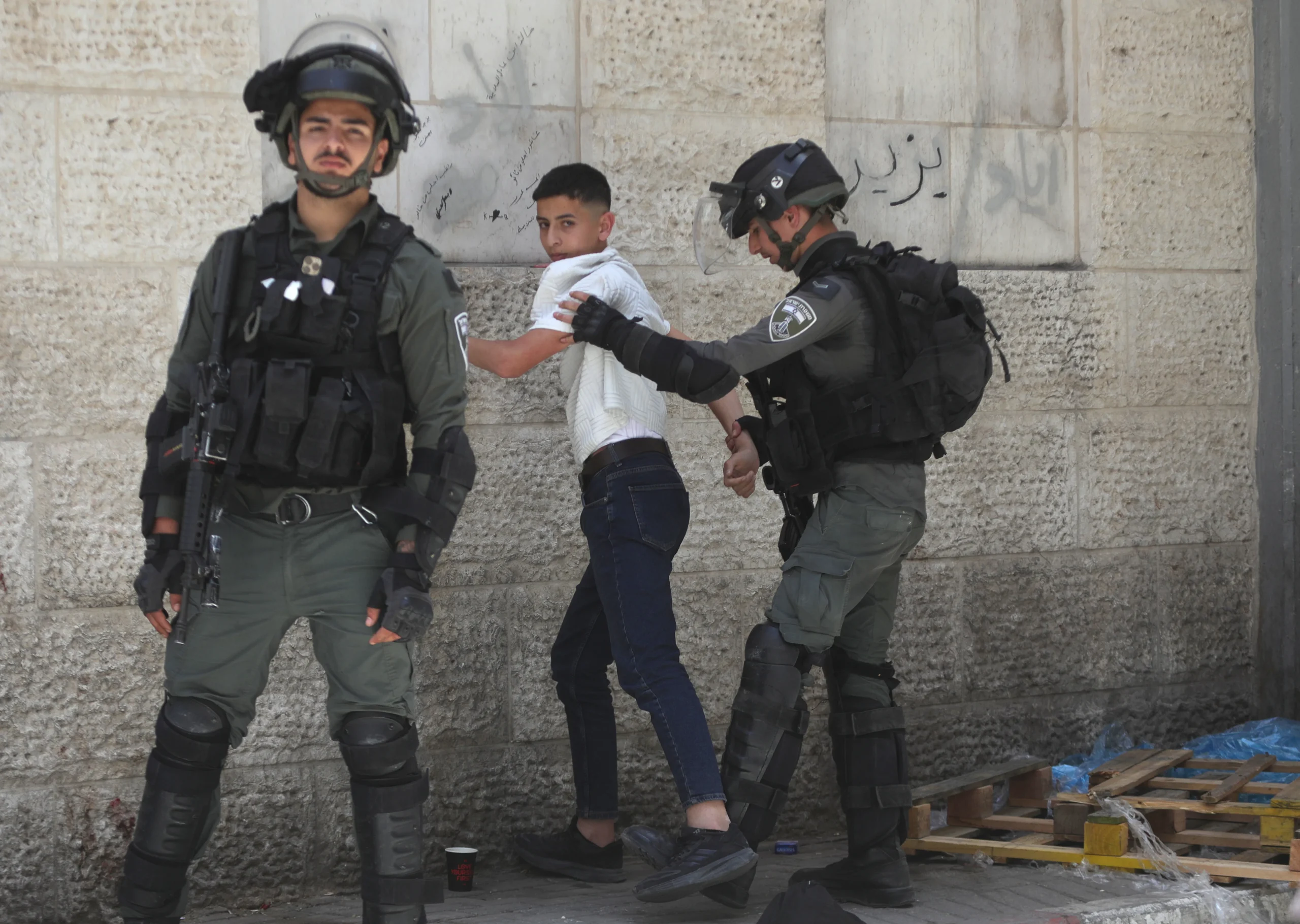
Local sources reported that dozens of Palestinians were detained during the overnight West Bank raids, with arrests often taking place during house searches. Families described soldiers entering homes, checking identification documents, and removing individuals without publicly stated charges at the time of arrest.
Israeli officials said the detained individuals were suspected of involvement in militant activities or of maintaining links to armed groups. However, relatives of detainees frequently contest these claims, saying those taken include students, workers, and community members with no known history of violence. The lack of immediate transparency surrounding detentions continues to fuel tension and mistrust.
The scale of arrests during these operations underscores how detention remains a central tool in ongoing security measures, shaping both individual lives and broader community dynamics.
Home Demolition During the Raids
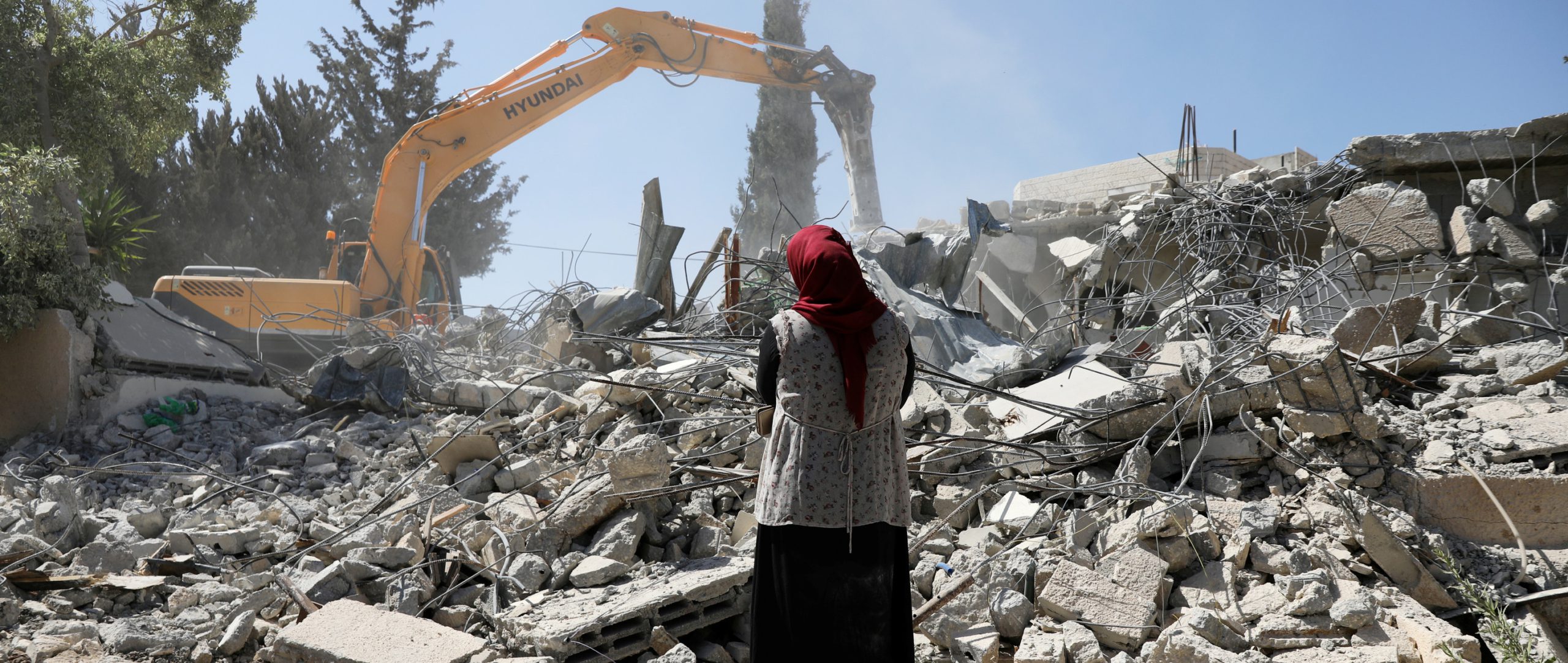
Among the most significant developments was the demolition of a family home during the West Bank raids. Heavy equipment was brought in under military escort, and residents in the surrounding area were reportedly ordered to remain indoors while the structure was destroyed.
Israeli authorities stated that the home belonged to a suspect accused of involvement in previous attacks, describing the demolition as a deterrent measure. Palestinian residents and human rights groups argue that such actions punish entire families for alleged acts committed by one individual, leaving children and elderly relatives displaced.
The destruction of homes has long been one of the most emotionally charged aspects of these operations, often leaving lasting scars that extend well beyond the physical damage itself.
Official Position From Israeli Authorities
The Israel Defense Forces defended the latest West Bank raids as necessary security operations aimed at preventing attacks and dismantling militant networks. Military spokespeople emphasized that the actions were intelligence driven and designed to neutralize threats before violence could occur.
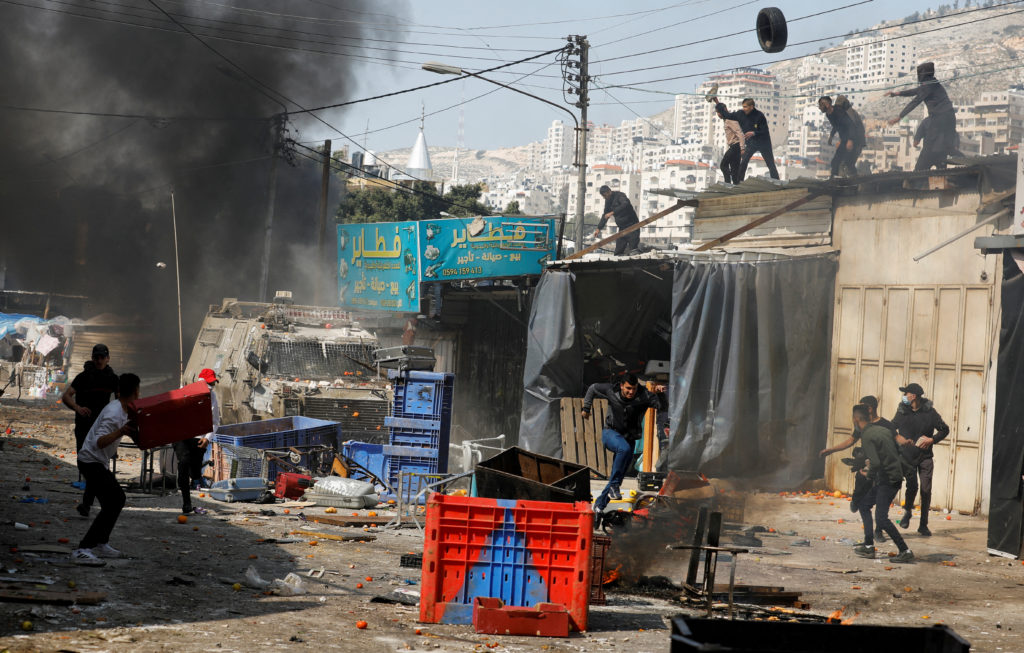
According to official statements, forces encountered limited resistance in most locations, though some confrontations were reported involving stone throwing. The military said that all actions were conducted in accordance with legal guidelines and subject to oversight mechanisms.
From the Israeli perspective, such operations are framed as preventive measures rather than punitive actions, even as criticism continues from international observers and advocacy groups.
Impact on Civilian Life and Communities
For civilians living in areas frequently affected by West Bank raids, the consequences extend far beyond the immediate arrests or demolitions. Schools may open late or close temporarily, businesses suspend operations, and movement becomes restricted due to roadblocks and checkpoints.
Parents report children experiencing fear and anxiety following nighttime operations, particularly when loud explosions or forced entries occur. Workers face uncertainty as repeated disruptions interfere with employment and income stability. Over time, this environment shapes a generation growing up amid constant unpredictability.
Community leaders warn that prolonged exposure to such conditions erodes social cohesion and trust, making recovery and reconciliation increasingly difficult.
International and Regional Reactions
International responses to the latest developments have been cautious. Several governments acknowledged reports of arrests and demolitions while calling for restraint and respect for international law. Diplomatic statements emphasized the need to protect civilians and avoid actions that could further inflame tensions.
Human rights organizations renewed calls for independent monitoring of arrest procedures and property destruction, arguing that accountability is essential to prevent abuses. Despite these statements, tangible policy changes from major international actors remain limited.
As a result, many Palestinians feel that global concern rarely translates into meaningful protection or long term change on the ground.
Historical Context of Security Operations
The West Bank has been the site of frequent security operations for decades, with West Bank raids intensifying during periods of heightened violence. Over time, these operations have evolved, incorporating advanced surveillance technologies, expanded intelligence networks, and rapid deployment strategies.
Analysts note that while such measures may disrupt specific groups or individuals, they have not addressed the underlying political and social drivers of the conflict. Instead, cycles of raids, arrests, and unrest continue to repeat, reinforcing a sense of stalemate.
Understanding this historical context is essential to interpreting why each new operation resonates so deeply within affected communities.
Legal and Human Rights Debate
Legal experts remain divided over the framework governing West Bank raids, particularly regarding administrative detention and punitive demolitions. International law specialists argue that occupying powers have heightened responsibilities to protect civilian populations and property.
Israeli legal authorities counter that domestic court rulings and security assessments provide lawful justification for these actions. This ongoing legal debate has become a defining element of international discussions surrounding the situation.
The lack of consensus highlights why each operation generates renewed scrutiny and controversy across diplomatic and legal arenas.
Security Outlook Going Forward
Security analysts suggest that operations similar to the latest West Bank raids are likely to continue in the near term, especially if intelligence assessments indicate ongoing threats. Increased coordination between military units and intelligence agencies could lead to more targeted actions.
For residents, this outlook offers little reassurance. Many fear further arrests, property destruction, and movement restrictions, reinforcing a pervasive sense of instability. Without broader political engagement, analysts warn that security focused approaches alone may struggle to deliver lasting calm.
Economic and Social Consequences
Beyond immediate security concerns, repeated operations have long term economic and social effects. Local economies suffer as businesses close during raids and investors shy away from unstable areas. Families facing detention or displacement often fall into financial hardship.
Social networks are strained as communities attempt to support affected families while coping with their own challenges. Over time, these pressures contribute to rising frustration and despair, particularly among younger generations.
Observers caution that ignoring these broader consequences risks entrenching cycles of resentment that undermine prospects for peace.
Moral Reflection
The events surrounding the latest West Bank raids raise profound moral questions about security, justice, and human dignity. While states have a responsibility to protect their citizens, the means by which security is pursued matter deeply. When families lose homes and individuals are detained without clarity, the human cost becomes impossible to overlook. True stability requires not only enforcement, but fairness, accountability, and a commitment to minimizing harm to innocent lives.