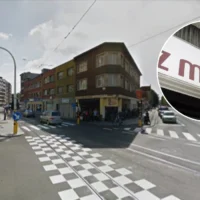
Vilvoorde (Brussels Morning Newspaper) January 15, 2026 – St. Wivina Church in Vilvoorde opened its doors for the final public visit on a specified date, allowing parishioners and visitors to view and purchase church treasures ahead of closure. The event coincides with the deconsecration process, as part of broader church rationalisation efforts in Belgium. Items from the church inventory, including liturgical objects and historical artefacts, were made available for sale.
The St. Wivina Church, located at Hovenierstraat 50 in Vilvoorde, Flemish Brabant, originally dedicated to St. Anthony of Padua, underwent rededication to St. Wivina. The parish was formed in May 1921 and received official recognition on January 1, 1924. Construction of the church, designed by Brussels architect Veraart, began on February 24, 1922, and was completed on August 1 of the same year. The adjacent pastorie (parish house) construction started in 1923.
This final opening event draws attention to the church’s historical significance and the disposal of its contents. Authorities listed the church and pastorie as protected built heritage.
Historical Background of St. Wivina Parish
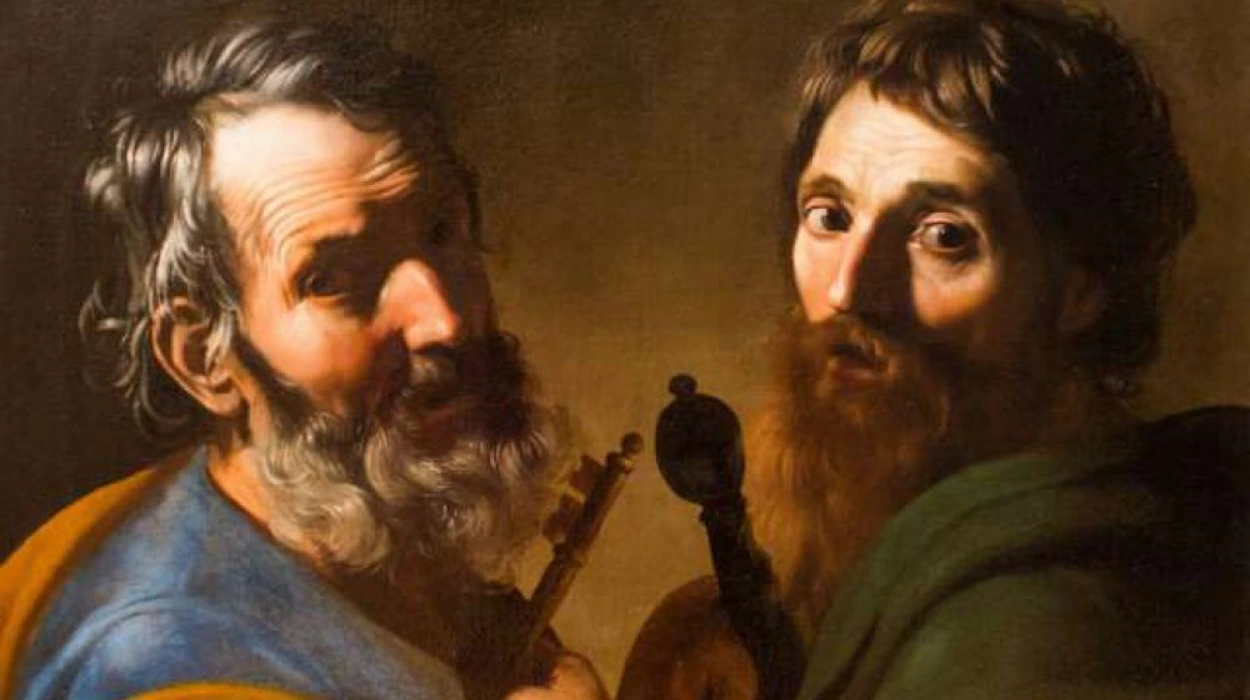
Parish records show regular Sunday Eucharist celebrations at 10:00 a.m. through recent months, including dates in November, December, and into 2026. The schedule listed services on November 16, 23, 30; December 7, 14, 21, 28; January 4; March 15, 22, 29; April 5, 12, 19, 26; May 17, 24, 31; June 7, 14, 21, 28; July 5, 12; and August 16, 23, 30, among others.
The building appears on the 1923 cadastral records. Inventory descriptions detail it as a structure from the early 1920s, contributing to Vilvoorde’s architectural heritage. Protection status came through the Agency for Onroerend Erfgoed, with detailed fiche management.
The church forms part of Vilvoorde’s religious landscape, alongside sites like the William Tyndale Museum.
Church Treasures and Inventory Sale Details
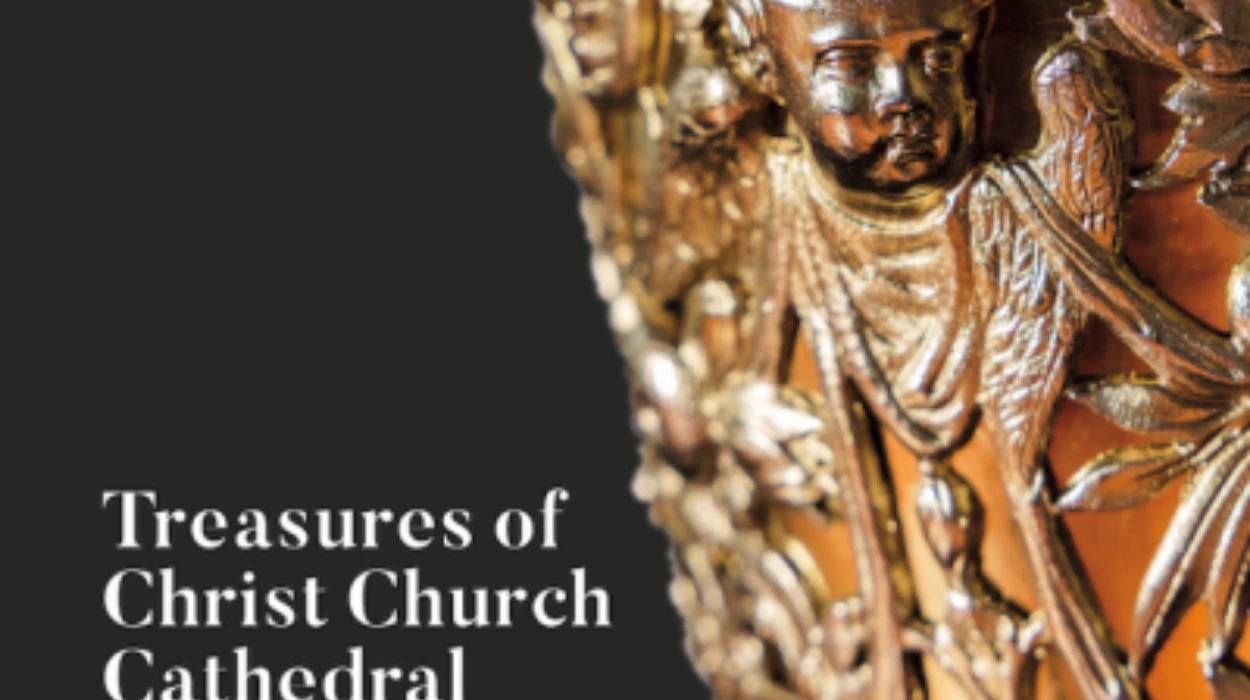
The last opening facilitated the sale of church treasures, comprising items from the parish inventory. Such sales often occur during deconsecration, allowing redistribution or private acquisition of liturgical goods. Specific items listed in heritage inventories include historical elements tied to the building’s construction era.
Public access permitted viewing and bidding on sacred objects accumulated over a century. Proceeds from sales support maintenance or repurposing efforts. No details emerged on specific treasures auctioned, but events follow standard procedures for redundant churches.
Parish contact information remains available through Kerknet for further inquiries.
Context of Church Closures in Belgium
Belgium witnesses ongoing church deconsecrations amid declining attendance. Municipalities explore sales of church buildings and contents to fund preservation elsewhere. In Tielt-Winge, similar discussions involved selling halls and churches, sparking local debate.
Volunteers organise activities for repurposing deconsecrated sites. Open VLD representatives proposed sales to maintain other patrimony. N-VA criticised such plans, highlighting volunteer efforts.
Vilvoorde’s St. Wivina aligns with national trends, where early 20th-century churches face adaptive reuse.
Architectural and Heritage Significance
The church and the pastorie hold protected status since formal designation. Inventaris Onroerend Erfgoed documents cite Bouwen door de eeuwen heen in Vlaanderen VLB1 for historical context. Author Hilde Kennes contributed to the fiche.
Originally St. Antonius van Padua kerk, the site reflects interwar architecture. Cadastral entry in 1923 confirms the timeline.
Nearby sites like Sint-Wivinaklooster in Groot-Bijgaarden underwent dissolution in 1797, with partial demolition. Items inventoried in 1795 by notary De Cuyper.
Final Public Access and Future Prospects
The last opening marked the end of regular public worship space use. Parishioners attended final viewings amid the treasures sale. Future use may involve conversion, common for such structures.
Heritage listings ensure preservation of key features. The event underscores Vilvoorde’s evolving religious patrimony. Kerknet maintains listings for Parochie St. Wivina. Community responses focused on safeguarding historical value.