
Brussels (Brussels Morning Newspaper) January 15, 2026 – The European Investment Bank (EIB) Group announced EU-backed guarantees to expand financing for businesses in Ukraine impacted by the ongoing war. The initiative aims to support small and medium-sized enterprises (SMEs) by increasing their lending capacity. This move builds on existing cooperation with Ukrainian financial institutions to foster economic resilience.
- Details of the Guarantee Framework
- Background on EIB Support in Ukraine
- Implementation and Expected Impact
- Broader EU Financial Commitments
- Challenges Faced by Ukrainian Businesses
- Statements from Key Stakeholders
- Regional and Sectoral Focus
- Monitoring and Accountability Measures
- Long-Term Strategic Objectives
The EIB Group, the lending arm of the European Union, formalised the guarantees as part of its broader commitment to Ukraine’s reconstruction and recovery efforts. These guarantees reduce risks for lenders, enabling more loans to reach war-affected businesses. The programme targets sectors critical to Ukraine’s economy, including agriculture, manufacturing, and services.
Details of the Guarantee Framework
The EU-backed guarantees cover a portion of potential loan losses, encouraging Ukrainian banks to extend credit to SMEs facing war-related challenges. This mechanism unlocks additional financing estimated in hundreds of millions of euros over the coming years. The EIB has partnered with institutions such as Oschadbank, Ukreximbank, and ProCredit Bank Ukraine for implementation.
Under the agreement, guarantees apply to new loans issued for working capital, equipment purchases, and business expansion. Eligibility focuses on enterprises in regions affected by conflict, including frontline areas. The EIB Vice-President responsible for operations in Ukraine confirmed the rollout during a Brussels press briefing.
This initiative forms part of the EU’s €50 billion Ukraine Facility, which includes budgetary support and investment programmes. The guarantees align with the bank’s mandate to promote economic development in EU neighbouring countries.
Background on EIB Support in Ukraine
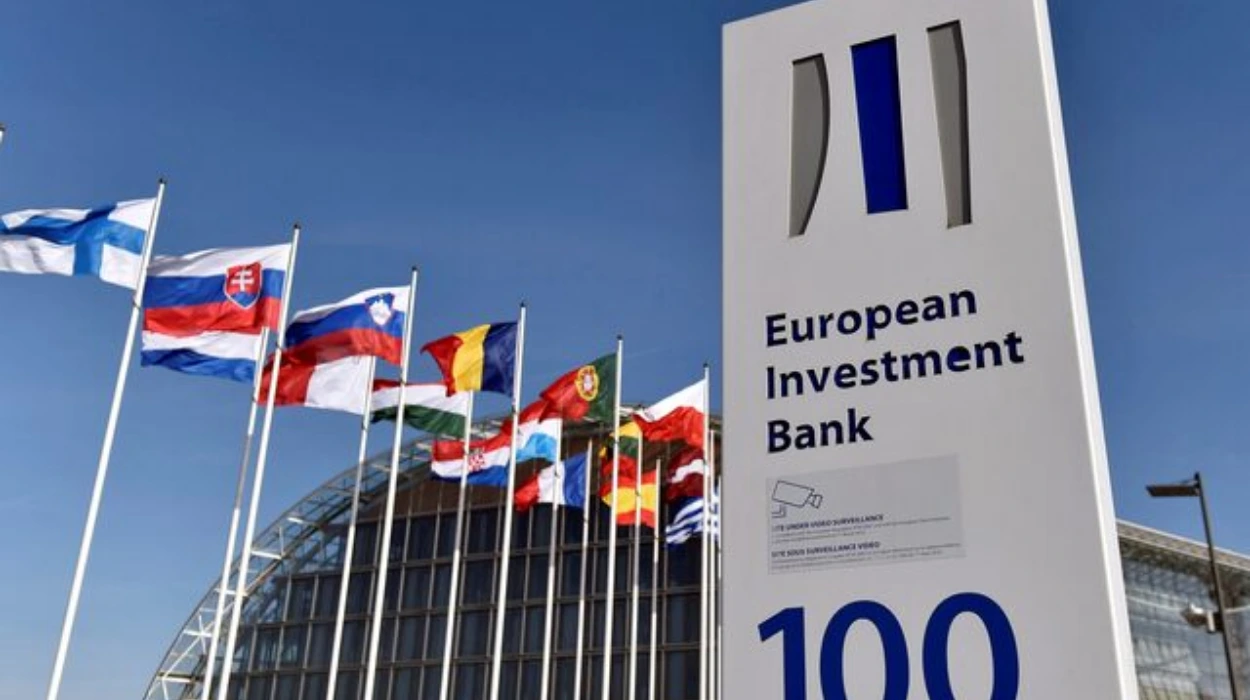
The EIB began scaling up activities in Ukraine following the full-scale invasion in February 2022. Prior initiatives included €2 billion in loans for infrastructure and energy resilience. In 2024, the bank approved additional funding for private sector development, totalling over €500 million.
War-affected businesses have struggled with disrupted supply chains, damaged facilities, and reduced market access. The new guarantees address these issues by providing affordable, long-term financing. Ukrainian government officials welcomed the announcement, noting its role in sustaining employment and growth.
The EIB’s operations in Ukraine operate under a special framework adapted to wartime conditions. Risk-sharing instruments like these guarantees have proven effective in similar post-conflict settings across Eastern Europe.
Implementation and Expected Impact
Ukrainian banks participating in the programme will prioritise SMEs employing up to 250 people. Loans carry competitive interest rates, with grace periods tailored to cash flow disruptions. Monitoring mechanisms ensure funds reach intended recipients, with quarterly reporting to the EIB.
The guarantees are set to mobilise up to €1 billion in total lending through leverage effects. This expansion supports Ukraine’s integration into the EU Single Market, a key pillar of association agreements. Business associations in Kyiv reported high demand for such financing.
EIB staff conducted needs assessments in Ukraine last autumn, identifying gaps in SME funding. The guarantees complement grants from the EU’s Neighbourhood, Development and International Cooperation Instrument (NDICI).
Broader EU Financial Commitments
The European Commission coordinates multiple strands of support for Ukraine, including macro-financial assistance exceeding €20 billion since 2022. The Ukraine Facility, approved in 2024, ties disbursements to reform milestones. EIB projects contribute to this by focusing on investable opportunities.
In parallel, the EU4Business initiative channels technical assistance to improve SME competitiveness. Training programmes on digitalisation and green practices accompany the financial support. The EIB collaborates with the European Bank for Reconstruction and Development (EBRD) on joint operations.
Ukraine’s Ministry of Economy oversees national coordination, aligning international aid with the Ukraine Plan for Recovery. Annual reviews track progress against indicators like job creation and export growth.
Challenges Faced by Ukrainian Businesses
Ongoing hostilities have destroyed or damaged over 50% of Ukraine’s energy infrastructure, affecting industrial output. Agricultural exports, a mainstay of the economy, dropped by 30% in 2023 due to Black Sea blockades. SMEs, comprising 99% of enterprises, generate 60% of employment.
Access to finance remains constrained by high interest rates averaging 15-20% and collateral requirements. War risk insurance schemes, supported by the EU, mitigate some barriers. The EIB guarantees lower these thresholds, enabling uncollateralised loans for viable projects.
Displacement of over 6 million people internally has strained labour markets, prompting retraining components in EIB-funded programmes.
Statements from Key Stakeholders
EIB President Nadia Calvino described the guarantees as “a lifeline for Ukraine’s private sector during unprecedented times.” Ukrainian Prime Minister Denys Shmyhal expressed gratitude, stating they would “accelerate business recovery and preserve jobs.”
European Commissioner for Economy Paolo Gentiloni highlighted the scheme’s role in “building a future-proof economy.” Banking representatives in Ukraine noted simplified application processes to expedite disbursements.
Regional and Sectoral Focus
Priority regions include Kharkiv, Kherson, Mykolaiv, and Zaporizhzhia oblasts, where destruction is most severe. Agriculture receives 40% allocation, given its 10% GDP contribution pre-war. Manufacturing and IT sectors target export-oriented firms.
Women-led businesses and youth entrepreneurs benefit from dedicated quotas. Green investments, such as energy-efficient equipment, qualify for preferential terms under EIB climate action criteria.
Monitoring and Accountability Measures

Independent audits verify compliance with EU state aid rules. Beneficiary reporting includes impact metrics like turnover growth and CO2 reductions. The EIB’s complaints mechanism handles grievances from applicants.
Ukraine submits semi-annual progress reports to the European Commission. Adjustments to the programme occur based on battlefield developments and economic data.
Long-Term Strategic Objectives
The guarantees support Ukraine’s EU accession path by strengthening institutions and market reforms. Alignment with EU standards in procurement and environmental impact forms part of loan conditions. Capacity building for Ukrainian banks ensures sustainability post-guarantees.
The EIB plans further expansions pending 2026 budget approvals. Coordination with G7 partners amplifies impact through blended finance.
This development underscores continued EU solidarity with Ukraine amid the protracted conflict. Official websites provide application details for eligible businesses.