Caracas, Venezuela, February 2, 2026 — Brussels Morning Newspaper: At the start of 2026, on January 15, activity at Venezuela’s principal crude terminals increased markedly as Venezuela oil exports reached close to 800,000 barrels per day, according to shipping movements observed during the month. The early-year surge signaled a renewed flow of supply into international markets and marked one of the most notable shifts in the country’s energy trade since mid-2024.
The January performance reflected improving operational discipline, clearer compliance conditions, and sustained demand for heavy crude grades, placing Caracas back into regular trading patterns after a period of irregular movements.
January Shipping Activity Signals Operational Stabilization
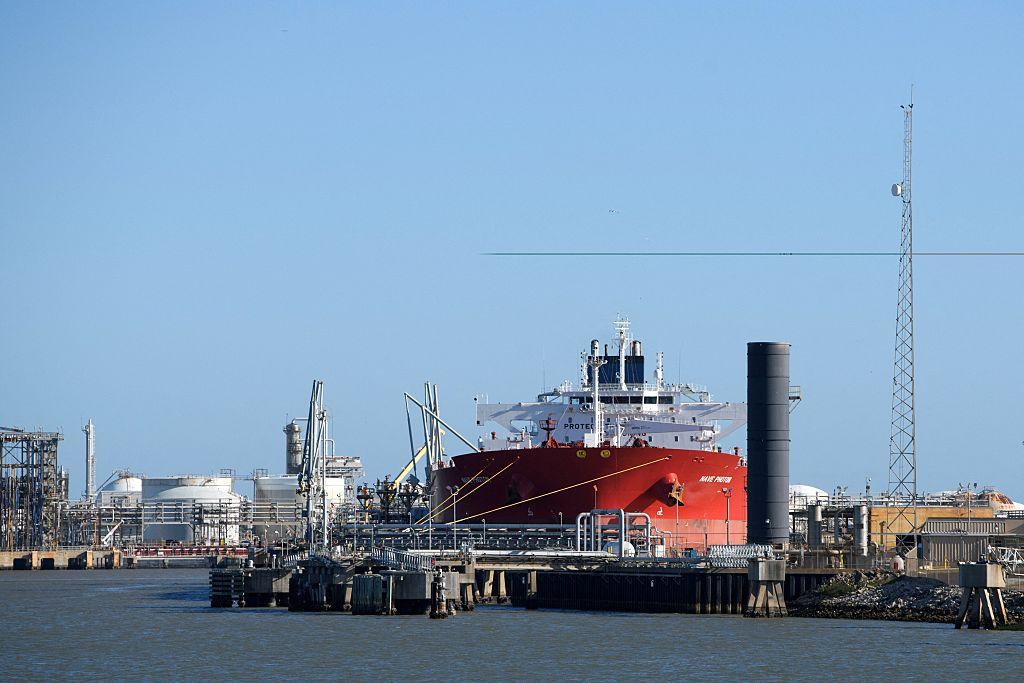
Crude loading schedules across Venezuela’s export ports became more consistent in early January. Tanker arrivals increased, turnaround times shortened, and berth utilization rose steadily. These changes allowed Venezuela oil exports to recover from the subdued pace recorded toward the end of 2025.
Market participants noted that exporters were able to move both newly produced crude and previously stored volumes, contributing to the higher daily averages seen during the month. The smoother flow reduced uncertainty for buyers monitoring supply availability.

Regulatory Clarity Supports Trade Normalization
A clearer operational framework played a central role in restoring confidence among shipping firms and buyers. Exporters operated within more defined oversight mechanisms, enabling logistics, insurance, and financial settlements to proceed with fewer delays.
This predictability helped stabilize trade routes and allowed Venezuela oil exports to re-enter established global supply chains with reduced friction, benefiting both sellers and end-users.
Refining Centers Respond to Increased Availability
The return of Venezuelan crude was felt most strongly in regions equipped to process heavy and sour blends. Refiners in the Caribbean and North America adjusted intake plans as additional volumes became available.
As these barrels entered the market, Venezuela oil exports began influencing pricing structures for comparable crude grades, narrowing differentials and offering refiners greater flexibility in feedstock selection.
Industry Observation on Market Consistency
One energy market analyst monitoring tanker movements said,
“The steadiness of January loadings suggests a shift toward operational stability rather than a short-term release of delayed cargoes.”
This assessment echoed a broader view among traders that the January figures reflected structural improvement rather than a temporary anomaly.
Domestic Revenue Implications for Venezuela
Oil remains Venezuela’s primary source of foreign currency. Higher shipment levels directly support public finances, essential imports, and operational continuity across the energy sector. The January rise in Venezuela oil exports eased some fiscal pressure at a time when economic stabilization remains a key concern.
Officials familiar with the sector indicated that steadier inflows also improve the government’s capacity to fund maintenance and limited upgrades across critical infrastructure.
Heavy Crude Compatibility Sustains Buyer Interest
Demand for Venezuelan crude is closely tied to refinery configuration rather than short-term price movements. Facilities designed for heavy and sour blends rely on such feedstocks for optimal efficiency.
This structural compatibility underpins ongoing interest in Venezuela oil exports, even as global energy systems gradually transition toward lower-carbon alternatives.

Adaptive Shipping Routes Enhance Reliability
January cargo movements demonstrated flexible routing strategies. Many shipments passed through Caribbean transshipment hubs before continuing to final destinations, helping exporters manage port congestion and weather disruptions.
This adaptability supported the steady movement of Venezuela oil exports throughout the month, reinforcing confidence among buyers and logistics providers.
Geopolitical Conditions Frame Energy Trade Decisions
The rebound in shipments occurred amid a complex geopolitical environment influencing global energy flows. Market participants prioritized reliability and compliance as uncertainty persisted in other producing regions.
Within this context, the steady flow of Venezuela oil exports added incremental supply resilience without triggering major market dislocations.
Venezuela’s Shifting Position in Global Oil Trade
Venezuela’s oil trade has experienced pronounced cycles over the past two decades. Once among the world’s leading exporters, the country saw shipments decline sharply due to under-investment, infrastructure degradation, and external constraints.
At various points, export volumes fell to a fraction of historical levels. The January 2026 recovery represents one of the more sustained rebounds in recent years, signaling gradual normalization rather than a return to former peaks.
Infrastructure Capacity Limits Expansion Potential
Despite improved activity, physical constraints remain evident across the export system. Aging pipelines, storage facilities, and port equipment limit how far shipment volumes can rise without significant capital investment.
Still, January’s performance demonstrated that existing assets can support higher throughput when coordination improves, allowing Venezuela oil exports to remain elevated within current capacity.
Contribution to Global Supply Stability
On the global stage, the additional Venezuelan barrels contributed to a more balanced supply environment. While not large enough to redefine worldwide output trends, consistent Venezuela oil exports help offset disruptions elsewhere.
Energy strategists noted that even moderate increases can influence market sentiment during periods of tight supply.
Environmental Considerations Enter Market Dialogue
The renewed flow of heavy crude also intersects with environmental discussions. Heavy oil production generally carries higher emissions intensity, raising sustainability questions for buyers and policymakers.
How producers address environmental expectations may shape future access to certain markets, even as near-term demand continues to support Venezuela oil exports.
Regional Economic Effects Beyond Venezuela
Increased shipping activity benefits a broader regional ecosystem. Ports, tanker operators, and service providers across the Caribbean see higher utilization as Venezuelan cargoes move more regularly.
These secondary effects highlight the interconnected nature of regional energy trade linked to Venezuela oil exports.

Market Outlook for the Remainder of 2026
Looking ahead, analysts expect shipment levels to fluctuate but remain above late-2025 averages. Seasonal maintenance, demand cycles, and regulatory developments will shape monthly performance.
If operational stability persists, Venezuela oil exports are likely to continue contributing steadily to global supply through the remainder of the year.
January’s Turning Point for Venezuela’s Energy Trade
January’s acceleration represents recalibration rather than transformation. Venezuela’s energy sector continues to face structural challenges, yet the return of predictable shipping patterns marks tangible progress.
For global markets, the development underscores the importance of operational clarity and adaptable supply chains in an evolving energy landscape.