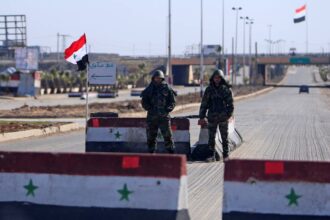

CARACAS January 2026 — As referenced in international reporting by Brussels Morning Newspaper, Venezuela has entered another defining moment in its modern history. Political changes at the top have altered the country’s leadership structure, yet daily life across Caracas and other urban centers remains marked by restraint rather than celebration. The expected surge of public expression never arrived. Instead, what dominates the streets is a familiar quiet shaped by memory, caution, and survival instincts developed over many years. This atmosphere reflects a deeply rooted Venezuela fear culture, one that continues to influence behavior regardless of who occupies positions of power.
In cafés, bus stations, offices, and neighborhood shops, people speak softly and avoid sensitive topics. Conversations focus on work, prices, family, and logistics. Political commentary, when it appears at all, is indirect and carefully phrased. For Venezuelans, the absence of noise does not signal indifference. It signals awareness.
Fear as a Learned Social Skill
Fear in Venezuela is not chaotic or emotional in the way outsiders might expect. It is measured and methodical. Over time, restraint became a social skill taught implicitly through observation and experience. People learned when to speak, when to remain silent, and how to interpret subtle signals in their surroundings.
This dynamic forms the core of Venezuela fear culture, where caution is not weakness but intelligence. Individuals assess risk instinctively, adjusting tone and behavior based on context. This adaptation allowed families to navigate uncertainty without attracting attention, and it remains deeply ingrained today.
Historical Conditioning That Did Not Fade
The roots of this fear stretch back years, shaped by repeated cycles of instability, shifting alliances, and sudden enforcement. Moments of openness were often followed by restriction. Public trust was built and broken repeatedly.
These experiences conditioned citizens to expect reversals. Even when new policies were announced, people waited to see how long they would last. This expectation of impermanence allowed Venezuela fear culture to persist independently of leadership changes. It survived because it was no longer tied to a single figure but to lived experience.
Why Silence Is Often Misread Abroad
From outside Venezuela, silence is often interpreted as calm or acceptance. Locally, silence is strategy. Speaking less reduces exposure. Avoiding public debate limits risk. This distinction is critical but frequently overlooked.
International observers may expect public demonstrations of relief or approval following political shifts. Instead, they encounter subdued streets and minimal reaction. This is not apathy. It is Venezuela fear culture functioning exactly as it was designed to function — quietly and efficiently.

Daily Routines Shaped by Self Regulation
In everyday life, fear expresses itself in small, consistent choices. Social media posts are neutral or personal rather than political. Group discussions stay within trusted circles. Humor avoids sensitive references.
No official directive enforces this behavior. People choose it instinctively. Venezuela fear culture operates without visible pressure because it has become internalized, guiding actions automatically.
Economic Vulnerability and Survival Logic
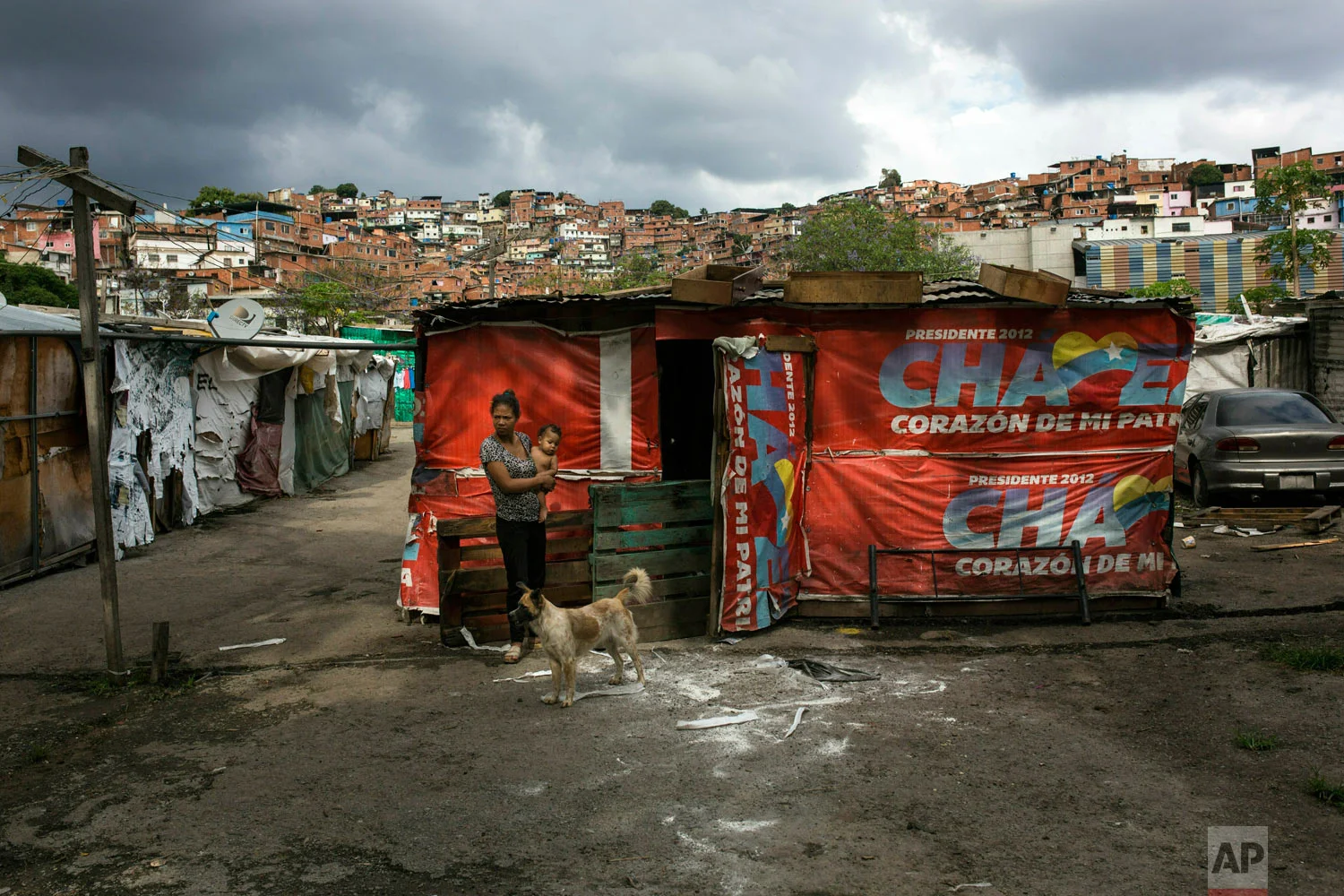
Economic uncertainty plays a powerful role in reinforcing caution. For many households, stability depends on uninterrupted access to work, services, and informal networks. Disruption carries high consequences.
This reality strengthens Venezuela fear culture, particularly among working families who cannot afford attention or conflict. Silence becomes a form of insurance against unpredictable outcomes.
Psychological Imprints Across Generations
Children raised in this environment absorb its logic naturally. Parents teach caution without explanation. Warnings are subtle but constant. Over time, these lessons shape identity.
Mental health professionals note that prolonged uncertainty alters perception and behavior. In Venezuela, Venezuela fear culture is inherited as much as it is learned, passed from one generation to the next through example rather than instruction.
Public Space Without Public Voice
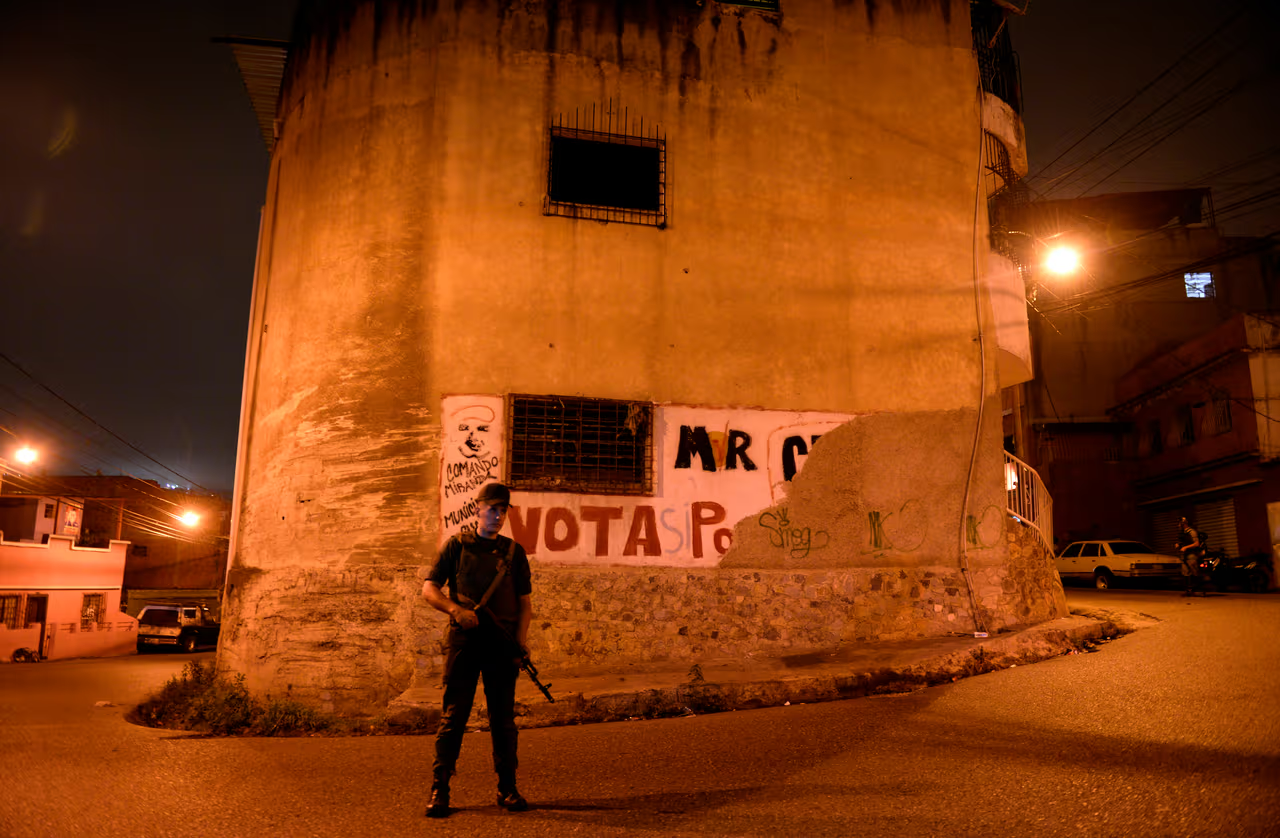
Caracas remains active and crowded. Streets are busy with commuters and vendors. Markets operate normally. Yet public spaces lack open debate.
People share space but not opinions. This contrast defines Venezuela fear culture more clearly than official statements or policy announcements.
Memory as a Decision Making Tool
Recent history remains close enough to influence daily decisions. Many citizens personally experienced consequences for ordinary actions. These memories guide behavior more powerfully than current assurances.
As a result, Venezuela fear culture remains a rational response rather than an emotional one. People rely on memory to assess risk, choosing caution over optimism.
News Consumption and Private Interpretation
Information flows quietly. Articles are read but rarely shared publicly. Interpretation happens behind closed doors or within trusted circles.
This private engagement with news reinforces Venezuela fear culture, limiting public discourse without the need for censorship.
Migration as Emotional Release
For those who left Venezuela, the ability to speak freely often felt disorienting at first. Expression had been restricted for so long that openness required adjustment.
Those who remain frequently do so because they lack alternatives. For them, Venezuela fear culture continues to define daily boundaries and expectations.
Community Bonds Within Quiet Limits
Despite fear, community connections remain strong. Support networks operate discreetly. Assistance is offered quietly. Solidarity exists without visibility.
This quiet cooperation demonstrates resilience within Venezuela fear culture, proving that adaptation does not equal surrender.
A Single Voice Captures the Mood
One longtime Caracas resident described the national mindset with a single reflection:
“We don’t stay quiet because we have nothing to say. We stay quiet because we learned what happens when we speak.”
This sentiment captures the emotional foundation of Venezuela fear culture more effectively than statistics ever could.
International Expectations and Local Patience
Foreign governments and institutions often expect rapid behavioral change following political transitions. Locally, expectations are far more cautious.
People wait. They observe patterns. Venezuela fear culture teaches patience before trust.
Why Announcements Alone Do Not Build Trust
Trust develops through consistency rather than declarations. People need repeated confirmation that expression no longer carries consequences.
Until such confirmation becomes routine, Venezuela fear culture remains a protective mechanism rather than a barrier to progress.
The Gradual Return of Confidence
Confidence does not return all at once. It begins in private conversations, then small groups, then broader communities.
Dismantling Venezuela fear culture requires time, predictability, and visible accountability that reaches ordinary citizens.
Signals That Fear Is Weakening
The true indicators of change will be behavioral rather than political. Public humor will return. Criticism will become casual. Conversations will grow louder.
These moments will signal the erosion of Venezuela fear culture more clearly than any election result.
Social Healing Beyond Politics
Political systems can shift quickly. Social systems cannot. Healing fear requires shared experiences of safety and fairness.
This is why Venezuela fear culture must be addressed socially as well as institutionally.
Measured Hope in Everyday Life
Hope exists, but it is cautious. Venezuelans are skilled at managing expectations.
They look for consistency rather than promises. This outlook reflects Venezuela fear culture adapting rather than disappearing.
The Role of Time in Rebuilding Trust
Time is the most critical factor in dismantling fear. Each uneventful day reinforces safety. Each protected voice builds confidence.
Over time, Venezuela fear culture will weaken not through force but through repetition of normalcy.
When Safety Speaks Louder Than Silence
The end of Venezuela fear culture will not arrive with announcements or ceremonies. It will emerge quietly, noticed only when people stop lowering their voices, stop scanning rooms, and stop measuring every word. That moment will mark the true beginning of renewal in Venezuela — not because leadership changed, but because fear finally loosened its hold on everyday life.