
The Venezuela crisis 2026 has emerged as one of the most closely watched geopolitical and humanitarian stories of the year, with Caracas, Venezuela, once again at the center of international attention. Reporting consistent with standards seen in Brussels Morning Newspaper shows how Venezuela’s prolonged turmoil has evolved into a multidimensional challenge that reaches far beyond its borders. In 2026, the country’s political uncertainty, fragile economy, and mass migration are no longer isolated problems but interconnected forces shaping regional stability and global diplomacy.
Political Landscape Defined by Endurance and Stalemate
The political structure in Venezuela continues to operate under immense strain. President Nicolas Maduro remains firmly in office, supported by loyal institutions and security forces, while opposition movements struggle to convert public frustration into unified political momentum. Electoral processes, while held, remain controversial, and trust in democratic mechanisms remains low.
The Venezuela crisis 2026 illustrates how political endurance does not necessarily translate into legitimacy. Many citizens describe a sense of resignation rather than support, participating in daily life with limited expectations of meaningful reform. Political negotiations have produced symbolic agreements but few structural changes capable of rebuilding confidence in governance.
Economic Reality for Households and Workers
Economic conditions remain a defining feature of everyday life. Although inflation is no longer at catastrophic levels, wages lag far behind the cost of living. Dollarization has reshaped commerce in urban centers, creating a dual economy where access to foreign currency often determines survival.
Within the Venezuela crisis 2026, economic inequality has become increasingly visible. Professionals with international connections fare better, while pensioners, public-sector workers, and informal laborers face ongoing hardship. Small businesses operate in a fragile environment marked by unreliable utilities and limited credit access.
Public Services and Infrastructure Under Pressure
Infrastructure decay remains widespread. Power outages, water shortages, and transportation disruptions affect both cities and rural areas. Hospitals and clinics struggle to maintain basic services, often relying on donations or limited international assistance.
The Venezuela crisis 2026 continues to expose how years of underinvestment have weakened essential systems. Infrastructure failures are not merely inconveniences but catalysts for social frustration, economic disruption, and public health risks.
Humanitarian Conditions and Health Challenges
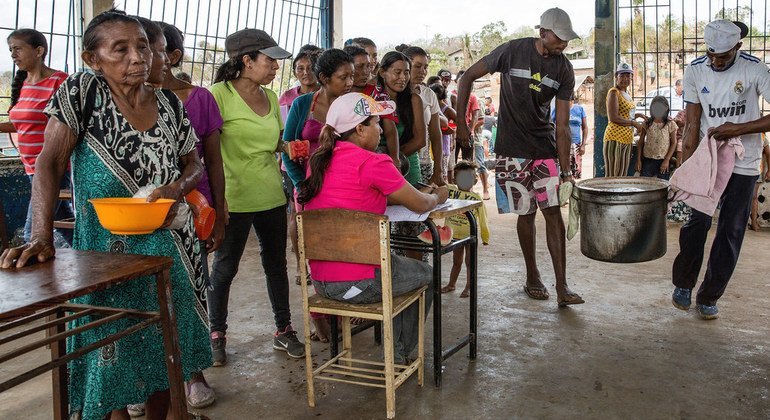
Humanitarian concerns remain acute. Access to medicine is inconsistent, chronic diseases go untreated, and preventive care remains limited. International organizations operate in partnership with local groups, but logistical and regulatory barriers restrict coverage.
The Venezuela crisis 2026 disproportionately affects vulnerable populations. Children face nutritional challenges that threaten long-term development, while older citizens often lack consistent access to medical care. These conditions deepen social inequality and complicate recovery prospects.
Migration as a Defining Regional Issue
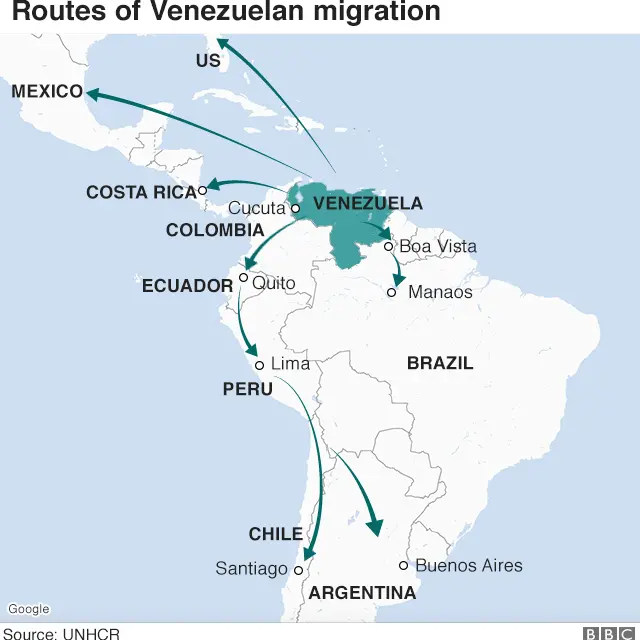
Migration remains one of the most visible consequences of Venezuela’s prolonged instability. Millions of citizens have relocated across Latin America, transforming demographics and labor markets in host countries. Border regions experience ongoing pressure as families continue to leave in search of opportunity.
As part of the Venezuela crisis 2026, migration has become a regional policy issue rather than a temporary emergency. Governments balance humanitarian commitments with domestic political concerns, often facing public debate over resources and integration.
Regional Diplomatic Responses
Latin American governments maintain varied approaches to engagement with Caracas. Some prioritize dialogue and mediation, while others emphasize pressure and conditional cooperation. Regional organizations have struggled to present a unified stance.
The Venezuela crisis 2026 highlights the limitations of regional diplomacy when political divisions mirror those within Venezuela itself. Despite shared concerns over migration and stability, consensus remains elusive.
Energy Resources and Strategic Importance
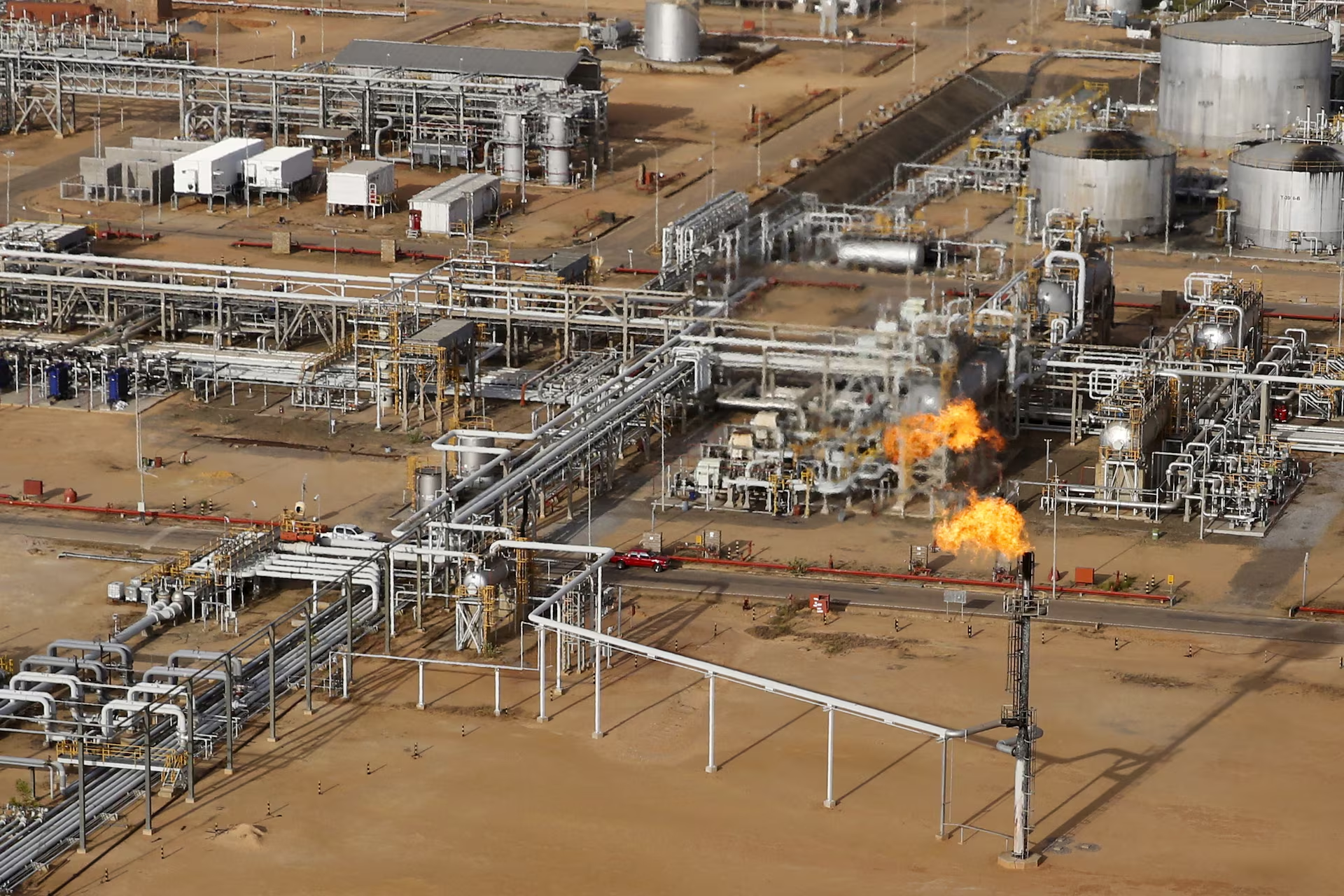
Venezuela’s vast oil reserves continue to shape international interest. Energy markets closely monitor developments, particularly as global supply remains sensitive to geopolitical disruption. Aging infrastructure and limited investment restrict output, even when sanctions relief is discussed.
Within the Venezuela crisis 2026, energy policy serves as both leverage and liability. Oil revenues offer potential economic relief, yet dependence on hydrocarbons reinforces structural vulnerabilities and delays diversification.
Global Powers and Competing Interests
International involvement in Venezuela reflects broader geopolitical competition. Western nations emphasize governance reforms and human rights benchmarks, while strategic partners such as Russia and China maintain economic and diplomatic ties with Caracas.
The Venezuela crisis 2026 demonstrates how domestic instability can become entangled in global rivalries, complicating multilateral solutions and reinforcing political polarization.
Civil Society and Community Resilience
Despite systemic challenges, Venezuelan civil society continues to adapt. Religious institutions, neighborhood groups, and nonprofit organizations provide food assistance, medical aid, and educational support. Their efforts highlight resilience amid adversity.
One community volunteer summarized daily life succinctly: “People survive because neighbors help neighbors, not because institutions function as they should.”
Security Environment and Governance Concerns
Public security remains closely linked to economic conditions. While some crime indicators have improved, insecurity persists, particularly in underserved areas. Corruption allegations continue to undermine trust in law enforcement and judicial institutions.
The Venezuela crisis 2026 underscores how governance challenges extend beyond leadership disputes into the routine administration of justice, public safety, and accountability.
Education and the Next Generation
Education systems face long-term disruption. Teacher shortages, underfunded schools, and inconsistent attendance affect learning outcomes. Many families prioritize immediate income over formal education, threatening generational mobility.
Within the Venezuela crisis 2026, education represents both a casualty and a potential solution. Rebuilding human capital will be essential for any sustainable recovery.
Economic Recovery Scenarios
Analysts outline cautious recovery scenarios dependent on institutional reform, investment protection, and international engagement. Confidence remains fragile, with investors seeking legal clarity and political predictability.
The Venezuela crisis 2026 demonstrates that economic recovery cannot occur in isolation. Governance reform, social stability, and infrastructure investment must advance together to produce lasting results.
Social Fabric and National Identity
Years of instability have reshaped Venezuelan society. Families are divided across borders, professional networks have dispersed, and social trust has eroded. Cultural traditions endure, but national identity evolves under strain.
The Venezuela crisis 2026 is therefore not solely an economic or political story but a social one, with lasting implications for cohesion and collective memory.
Media Coverage and Global Perception
International media attention has intensified as geopolitical stakes rise. Coverage increasingly frames Venezuela as a test of diplomatic effectiveness in a polarized world. Energy security, migration, and governance dominate headlines.
Through the lens of the Venezuela crisis 2026, global audiences reassess assumptions about intervention, sanctions, and long-term engagement strategies.
Possible Paths Forward
Potential paths forward emphasize incremental reform, sustained dialogue, and humanitarian cooperation. Sudden transformations appear unlikely, reinforcing the importance of patience and consistency.
The Venezuela crisis 2026 suggests that progress, if it comes, will be gradual and dependent on compromise among domestic actors and steady international support.
Long-Term Implications for Latin America
Venezuela’s trajectory continues to influence regional politics. Migration, trade, and diplomatic alignment shape elections and policy debates across Latin America. Stability in Venezuela would ease regional pressures, while continued instability prolongs uncertainty.
A Unique Turning Point for Caracas
Caracas stands at a symbolic crossroads. The city embodies resilience, frustration, and hope simultaneously. Markets adapt, communities endure, and political debates persist, reflecting a society unwilling to disappear despite adversity.
Beyond 2026 A Global Test of Diplomacy
The enduring lesson of the Venezuela crisis 2026 lies in its global relevance. Migration flows, energy dependencies, and geopolitical rivalries ensure that Venezuela’s future will continue to matter well beyond its borders. The outcome will test whether diplomacy, patience, and coordinated action can succeed where pressure and isolation have fallen short.