
GHENT (The Brussels Morning Newspaper) October 21, 2026 – Ghent has recorded a shift in public dietary habits, with 83 per cent of residents identifying as flexitarians compared to 13 per cent twelve years ago. The transition follows a long-term municipal initiative incorporating weekly plant-based meal policies across public schools, defaults in local cafes, and food technology research. Local institutional strategies and private business models have combined to establish the Flemish city as a major European centre for plant-based food adoption and innovation.
Municipal Policy and School Catering Reform
The foundation of Ghent’s dietary transition rests on institutional policy implemented in municipal catering programs. Under the city’s official “Veggie Thursday” policy, public primary schools feature weekly menus focused on plant-based and vegetarian meals. School canteens across Ghent serve dishes such as chicory soup, falafel, Mediterranean vegetable tagine, and couscous as primary menu items during the weekly event.
School catering policies maintain a structured distribution schedule: meat options are served twice per week, fish dishes are offered on Fridays, and vegetarian or vegan dishes make up approximately 70 per cent of all served meals throughout the week. The municipal strategy aims to introduce children to vegetable-rich diets at an early age without completely prohibiting meat products. Local food service leaders report high meal completion rates and minimal resistance among students, establishing early habituation to plant-based eating.
Strategic Nudging in Public Spaces and Hospitality
Alongside public school canteens, local cultural venues and private hospitality establishments have introduced behavioral “nudging” tactics to encourage plant-based options. At the De Vooruit cultural center cafe, management altered beverage defaults by serving oat milk automatically unless customers explicitly request cow’s milk. Following the default setting change, approximately 90 per cent of patrons consume oat milk with their beverages. Cafe management noted that previous operational models relying solely on optional signage yielded plant-based adoption rates between 10 per cent and 20 per cent.
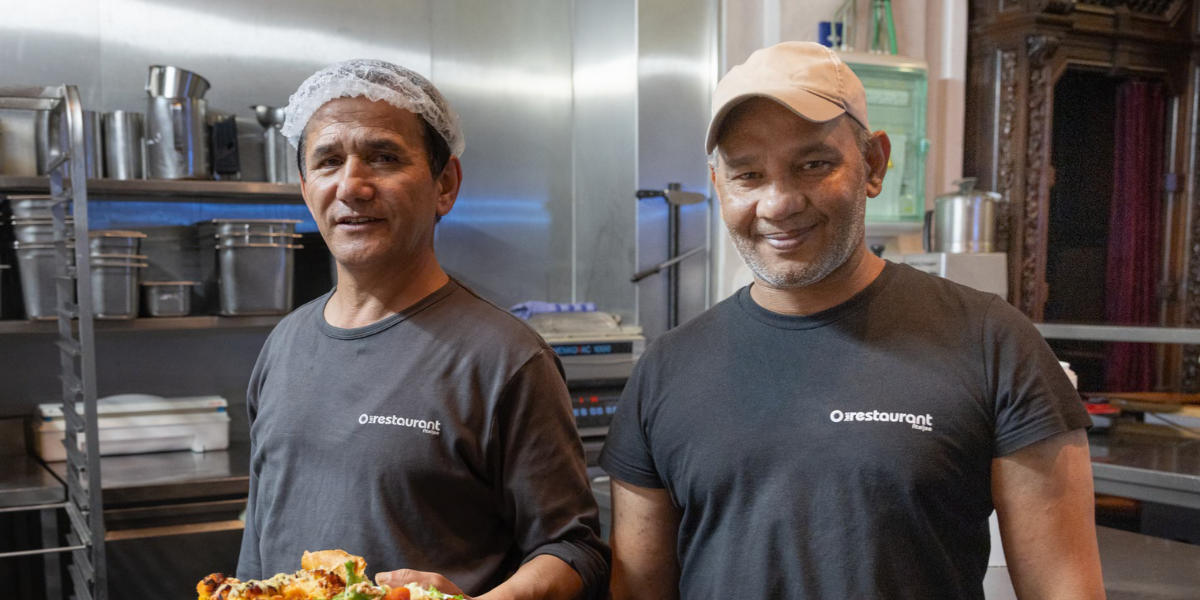
Restaurateurs in Ghent emphasize hospitality models designed to appeal to non-vegetarian customers. At Knol & Kool, a combined vegan restaurant and minimarket, customer analytics indicate that 85 per cent of dining patrons do not identify as vegetarian or vegan. Similarly, traditional Belgian comfort food venues, such as Oh!Ma, serve plant-based variations of national classics including stews, vol-au-vent, and meatballs made with house-developed meat alternatives and condiments. Staff report that a substantial proportion of walk-in customers consume vegan meals without initially realizing the absence of meat.
Social and community dining venues also maintain sustainable operational metrics. At Parnassus, a social restaurant situated inside a former Franciscan church, kitchen operations prepare up to 250 meals daily using fresh, locally sourced ingredients without heavy fats or dairy creams, operating near zero-food-waste targets.
Food Technology and Industrial Innovation Hubs
Ghent’s plant-based economy builds upon a multi-decade history of food production and modern biotechnology innovation. The multinational dairy-alternative brand Alpro was founded in Ghent in 1980 and continues to maintain its international headquarters in the city.
In recent years, the local ecosystem has expanded to include cutting-edge cellular agriculture and precision fermentation companies. Biotech firm Those Vegan Cowboys is currently developing recombinant casein—the primary protein in animal milk required for traditional cheese texturization and aging—utilizing microbial fermentation rather than livestock production. Researchers at the facility are focusing on precision-fermented cheeses, including test batches of artisanal camembert, aimed at replicating the texture and ripening characteristics of dairy cheese to expand alternative protein markets and provide diversification channels for agriculture producers.
Demographic Factors and Historical Roots
Local historians, business owners, and civic organizers attribute Ghent’s high adoption rates to a combination of political history, local activism, and demographic composition. Grassroots climate groups and non-governmental organisations, including ProVeg (formerly Ethical Vegetarian Alternatives), played a pivotal role in lobbying municipal authorities to adopt formal plant-based targets and support public initiatives.