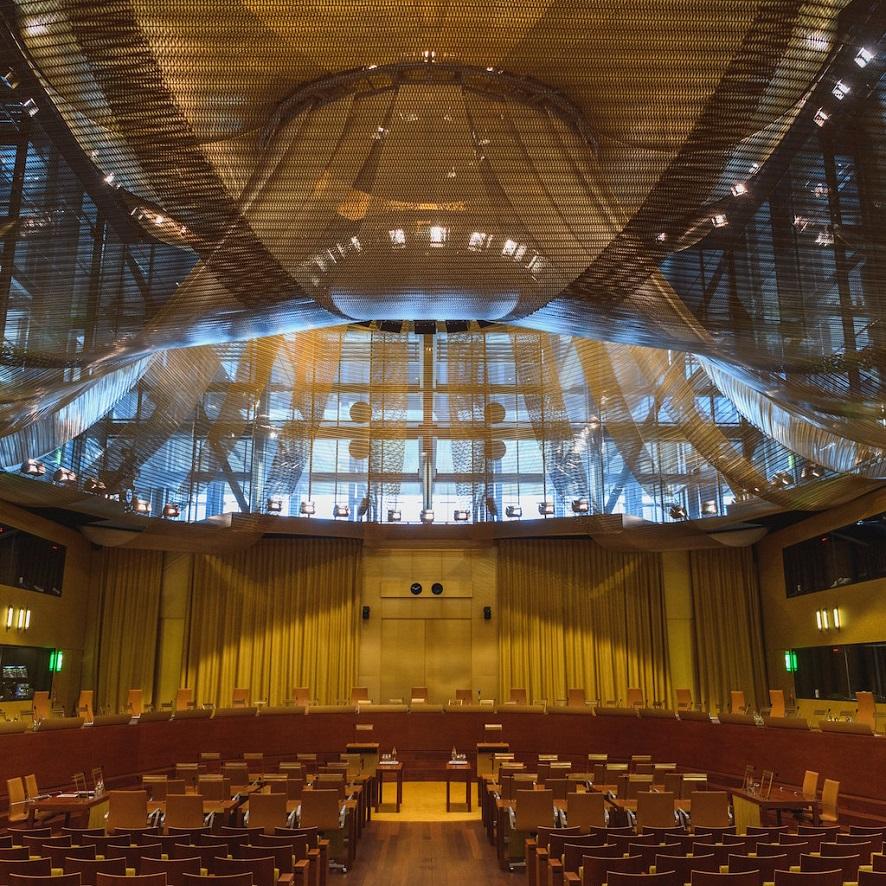
LUXEMBOURG, European Union, June 11 – Brussels Morning Newspaper — Vaccine procurement dispute has moved back into the spotlight after an adviser to the European Union’s highest court recommended dismissing an appeal filed by the European Commission. The legal opinion relates to a long-running case involving transparency and access to information connected to COVID-19 vaccine procurement agreements negotiated during the pandemic.
Although the recommendation is not legally binding, it represents a significant development in a case that has attracted attention from policymakers, legal experts, transparency advocates, and members of the public across Europe.
Adviser Recommends Appeal Be Dismissed
The opinion issued by the court adviser concluded that the Commission’s appeal should be rejected. The dispute centers on access to information linked to vaccine contracts negotiated during one of the most challenging public health emergencies in modern history.
Under EU legal procedures, advisers provide independent legal assessments before judges deliver a final ruling. While the court is not obligated to follow the recommendation, such opinions often carry considerable influence.
Legal observers say the recommendation highlights ongoing debates about transparency, accountability, and public access to official information.
“This case goes beyond vaccine contracts,”
said one European legal analyst.
“It addresses broader questions about institutional openness and public trust.”
Transparency Remains at the Center of the Case
The vaccine procurement dispute focuses on whether certain records and communications related to vaccine agreements should be accessible under European transparency rules.
Advocates of greater disclosure argue that public institutions should provide broad access to information involving major public expenditures and emergency policy decisions. They believe transparency helps strengthen accountability and public confidence.
Others maintain that some information may require protection because of commercial confidentiality concerns and legal obligations involving negotiations with private companies.
The case has become an important reference point in discussions about how governments balance transparency with confidentiality.
Pandemic-Era Decisions Continue to Draw Scrutiny
Years after the peak of the COVID-19 pandemic, decisions involving vaccine procurement remain the subject of legal and political examination. Governments and international institutions faced extraordinary pressure during the global health crisis as they sought to secure vaccine supplies quickly.
European authorities negotiated agreements designed to support vaccination programs across member states, helping millions gain access to vaccines during the emergency period.
However, questions regarding documentation, communication, and oversight have continued to generate interest long after the contracts were signed.
Analysts note that the legal challenge reflects ongoing efforts to understand and evaluate major decisions made during the pandemic.

Potential Impact on EU Institutions
Experts believe the final ruling could influence future transparency cases involving European institutions. The court’s decision may help clarify how disclosure rules should be applied when public interest concerns intersect with commercial and administrative considerations.
Public policy specialists say the outcome could affect future requests for access to government records and institutional communications.
“The judgment may establish guidance for future transparency disputes,”
said a governance expert.
“That is why this case is being watched so closely.”
Observers expect policymakers and legal professionals to study the eventual ruling carefully once it is issued.
Final Decision Still Pending
Despite the significance of the adviser’s opinion, the case remains unresolved. Judges will review the recommendation alongside legal arguments presented by the parties before issuing a final decision.
Court proceedings are expected to continue as officials assess the legal questions raised by the appeal. Until then, the outcome remains uncertain.
Nevertheless, the recommendation has already intensified discussion about transparency standards and accountability within European institutions.