
Brussels, Europe & Washington, United States, 2026 — A major shift in international energy policy has placed US Venezuela oil control at the forefront of global political and economic debate. According to Brussels Morning Newspaper, the United States has announced that it will oversee how Venezuelan oil is marketed and sold on the global stage, a move that has immediate implications for energy security, national sovereignty, and geopolitical balance. The decision comes at a time when global energy systems remain under pressure from supply disruptions, political instability, and growing competition among major powers.
Background to US–Venezuela Energy Relations
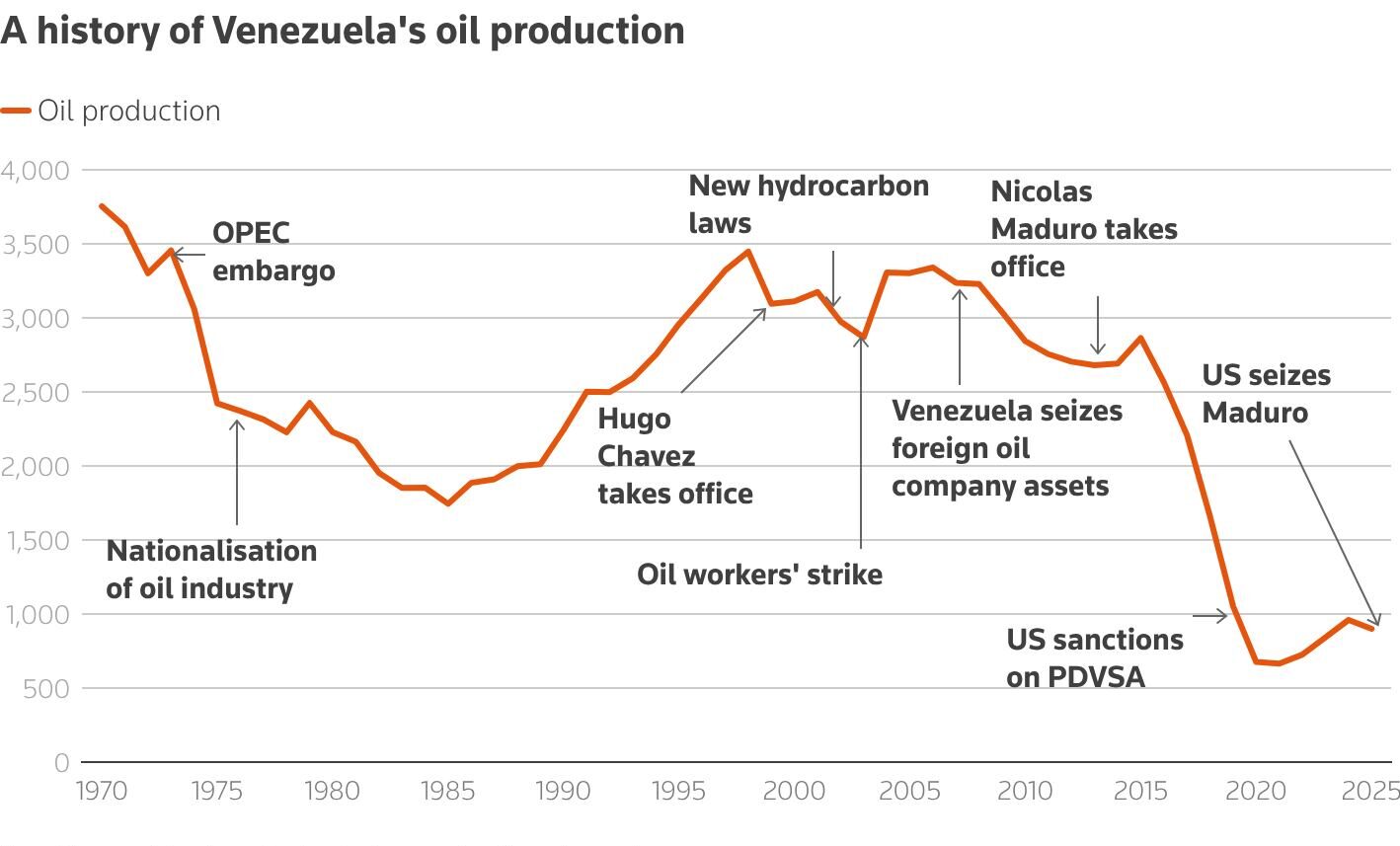
Relations between the United States and Venezuela have long been shaped by oil. Venezuela possesses some of the world’s largest proven crude reserves, and for decades its economy depended heavily on exports to international markets. Political turmoil, sanctions, and infrastructure decline over recent years sharply reduced production and revenue, deepening the country’s economic crisis.
Against this backdrop, US Venezuela oil control represents a significant departure from previous strategies that relied primarily on sanctions and diplomatic pressure. Instead, Washington is now asserting a direct administrative role in the management of Venezuelan oil exports, signaling a more hands-on approach to energy diplomacy.
Policy Decision and Strategic Rationale
U.S. officials say the policy is designed to stabilize oil production, restore investor confidence, and ensure that revenues are handled transparently. The administration argues that sustained oversight is necessary to prevent further economic collapse and to reintroduce Venezuelan oil into regulated global markets.
From a strategic perspective, US Venezuela oil control also strengthens Washington’s influence in the Western Hemisphere. Energy analysts note that access to Venezuelan crude could reduce reliance on other volatile suppliers while enhancing the United States’ ability to shape regional energy flows.
How the Oversight Framework Works
Under the announced framework, oil production activities remain within Venezuela, but export approvals, pricing decisions, and revenue management are coordinated through systems approved by U.S. authorities. Officials say this structure ensures accountability and predictable supply.
By assuming this supervisory role, US Venezuela oil control effectively alters traditional models of national resource management. While presented as a temporary stabilizing measure, no clear timeline has been outlined for when oversight might end.
Immediate Reaction in Energy Markets
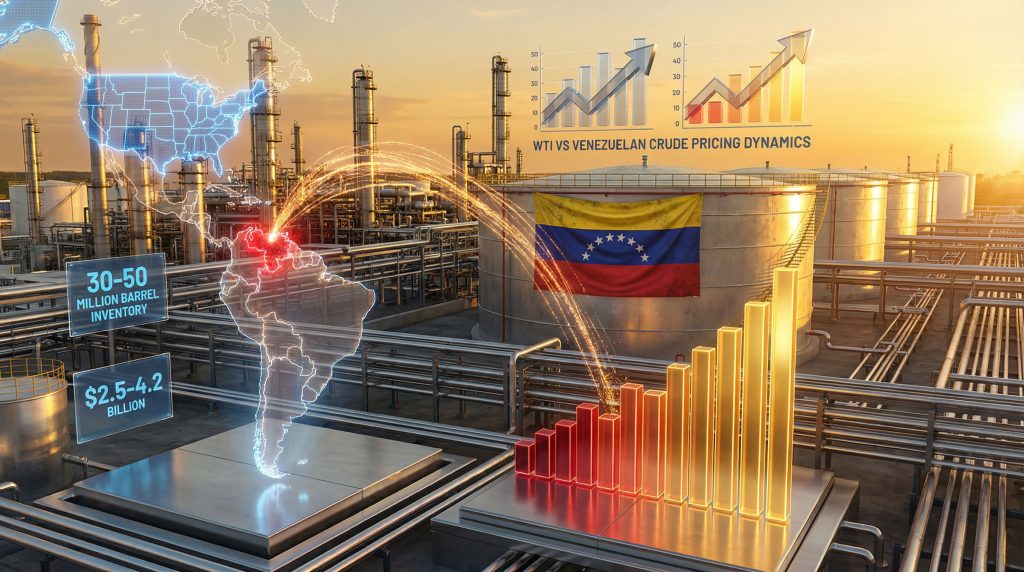
Global markets responded cautiously to the announcement. Traders weighed the prospect of increased Venezuelan supply against uncertainty over political developments and infrastructure capacity. Oil prices showed modest fluctuations as analysts re-calibrated supply forecasts.
Market observers suggest that sustained US Venezuela oil control could eventually contribute to steadier output levels. However, they caution that short-term volatility is likely as markets assess the durability of the policy and its reception among international partners.
Energy Security and Global Supply Considerations
Energy security has become a defining issue for governments worldwide. Disruptions in recent years have highlighted the vulnerability of supply chains and the strategic importance of reliable producers.
In this context, US Venezuela oil control is viewed by supporters as a step toward diversifying supply and reinforcing stability. Critics, however, argue that concentrating control over resources in the hands of one external power introduces new risks and dependencies into the global system.
Political Debate Within the United States
The policy has triggered debate across the U.S. political spectrum. Supporters emphasize national security benefits, increased leverage in regional affairs, and the potential to stabilize energy markets.
Opponents question the legal authority for indefinite oversight and warn of long-term entanglement in Venezuela’s internal affairs. Lawmakers have called for greater transparency regarding costs, governance structures, and exit strategies related to US Venezuela oil control.
International Diplomatic Response
Governments around the world have reacted with a mix of caution and concern. Some energy-importing nations welcome any move that promises increased supply and predictability. Others view the policy as setting a precedent that could undermine international norms around sovereignty.
Diplomats note that US Venezuela oil control may become a focal point in future multilateral discussions on resource governance, particularly as competition over energy resources intensifies.
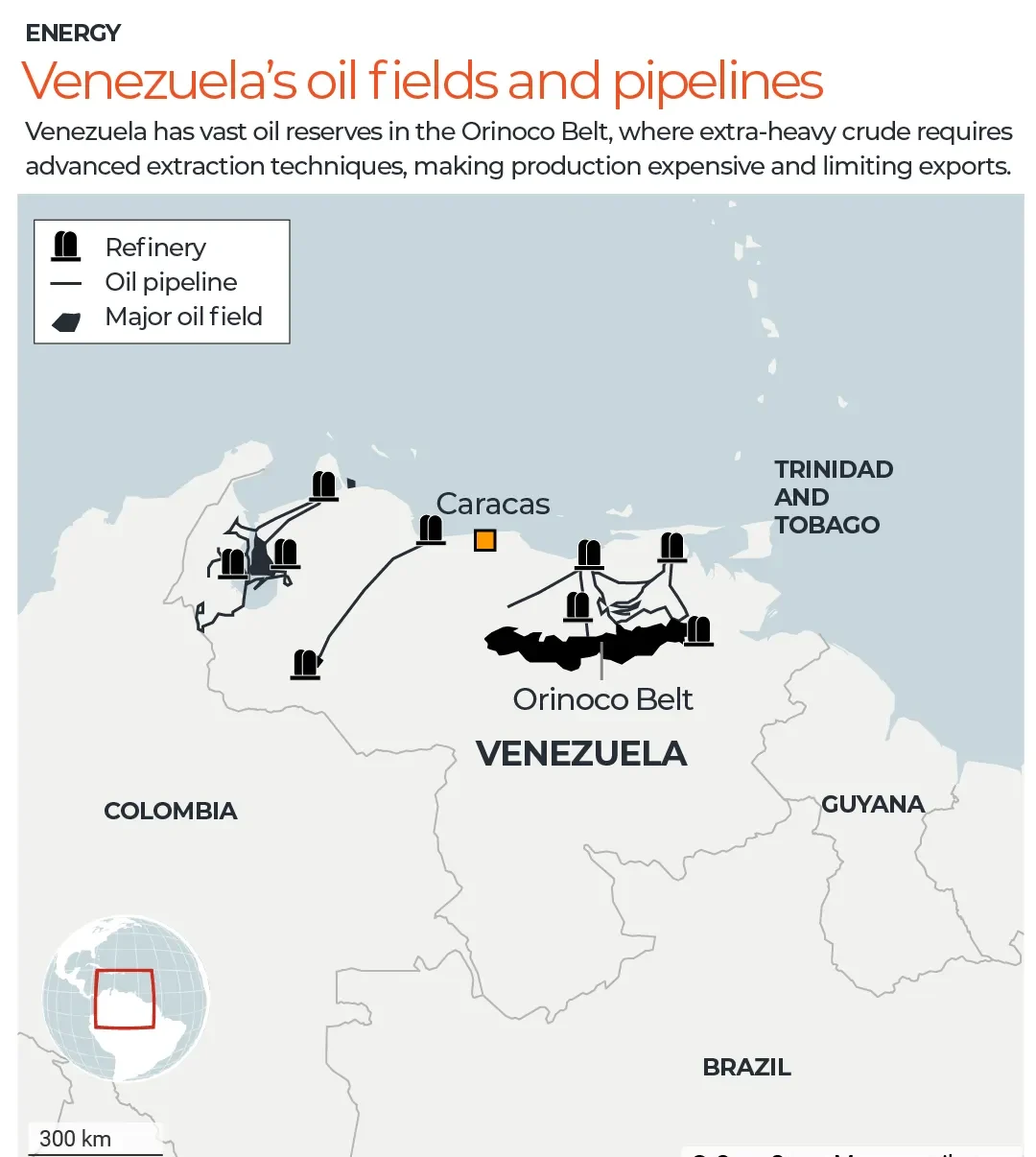
Economic Implications for Venezuela
For Venezuela, the economic consequences are complex. Advocates argue that renewed exports and structured oversight could generate much-needed revenue, support infrastructure repair, and revive key industries.
Critics contend that US Venezuela oil control risks delaying the restoration of full economic autonomy. They argue that long-term recovery depends not only on revenue but also on rebuilding domestic institutions capable of managing resources independently.
Social and Humanitarian Dimensions
Beyond economics, the policy carries significant social implications. Years of hardship have strained public services and living standards for ordinary Venezuelans. Expectations are high that renewed oil income could support healthcare, education, and employment.
Whether US Venezuela oil control delivers tangible benefits at the community level will depend on how revenues are allocated and monitored. Transparency and accountability remain central concerns for civil society groups.
Legal and Sovereignty Questions
International law experts are examining the legal foundations of the policy. While transitional oversight arrangements exist in global practice, indefinite external management raises questions about consent, legitimacy, and compliance with international norms.
The debate over US Venezuela oil control thus extends beyond energy policy into broader discussions about sovereignty and global governance in an era of shifting power dynamics.
Regional Stability and Security Outlook
Energy policy often intersects with security considerations. Analysts warn that sustained foreign involvement in Venezuela’s oil sector could influence regional alignments and security postures.
Some observers see US Venezuela oil control as a stabilizing influence that could reduce economic-driven unrest. Others caution that it could fuel resentment or rivalry if perceived as a permanent redistribution of power in the region.
Energy Industry and Business Perspectives
Energy companies are watching developments closely. Access to Venezuelan reserves under a new regulatory framework could attract investment, but political uncertainty remains a significant risk factor.
Executives stress that the long-term viability of projects will depend on regulatory clarity, infrastructure rehabilitation, and the durability of US Venezuela oil control as a policy framework.
Official Statement
One senior U.S. official summarized the administration’s position by saying,
“This approach is intended to ensure predictable energy flows while creating conditions for long-term stability and responsible resource management.”
Long-Term Implications for Global Energy Systems
Looking ahead, economists suggest that Venezuelan oil could once again play a meaningful role in global supply if production rebounds. However, geopolitical considerations are likely to remain central to market behavior.
As forecasting models evolve, US Venezuela oil control is increasingly treated as a structural factor influencing energy security, investment decisions, and diplomatic relations well beyond 2026.
A New Chapter in Resource Governance
The decision to place Venezuelan oil exports under sustained external oversight marks a defining moment in global resource governance. By formalizing US Venezuela oil control, Washington has reshaped debates over sovereignty, energy security, and international influence. Whether this approach leads to stability and shared benefit or deepens geopolitical tension will depend on transparency, cooperation, and the ability of all parties to adapt to a rapidly changing energy landscape.