
Washington, 2026 — The US Venezuela conflict impact has spread far beyond Caracas as officials, international bodies, and analysts assess the consequences of a controversial U.S. military operation that resulted in the capture of Venezuelan President Nicolás Maduro and sparked widespread debate about legality, regional security, and geopolitical balance. Reporting by Brussels Morning Newspaper stressed that the fallout from the January 3 strikes has rewritten expectations about U.S. intervention and its ripple effects across Latin America, global diplomacy and international markets.
The military engagement — part of what the U.S. administration labeled Operation Absolute Resolve — involved airstrikes and special operations forces. It captured Maduro and his wife, Cilia Flores, transporting them to New York for prosecution on multiple charges, including allegations of narco-terrorism. The ensuing US Venezuela conflict impact reverberates through policy arenas, public opinion, and regional alliances.
The U.S. Strikes on Venezuela
On the early morning of January 3, the United States launched coordinated military strikes on key Venezuelan installations in Caracas, resulting in numerous fatalities and the extraction of President Maduro. U.S. officials described the operation as targeting a fugitive wanted on drug trafficking and terrorism charges, justifying it as a law enforcement action.
The scale of the operation, involving advanced aircraft, electronic warfare units, and elite ground forces, was unprecedented in recent U.S.–Latin America relations and set the stage for deep and broad US Venezuela conflict impact across multiple fronts — political, diplomatic, economic, and humanitarian.
Political Backlash in the United States
The US Venezuela conflict impact has become a central issue in Washington’s political debate. Democratic lawmakers expressed alarm that the strike bypassed Congress and lacked clear legal authority, pointing to constitutional and War Powers concerns. Critics argue that even if criminal charges against Maduro are valid, using such military force without legislative approval undermines democratic norms and sets dangerous precedents.
Republican senators and House members, however, largely supported the operation, framing it as a decisive action against a tyrannical regime accused of corruption and drug trafficking. This partisan divide has intensified debate over executive authority, foreign policy oversight, and the broader US Venezuela conflict impact on how U.S. military power is exercised.
Global Diplomatic Reaction
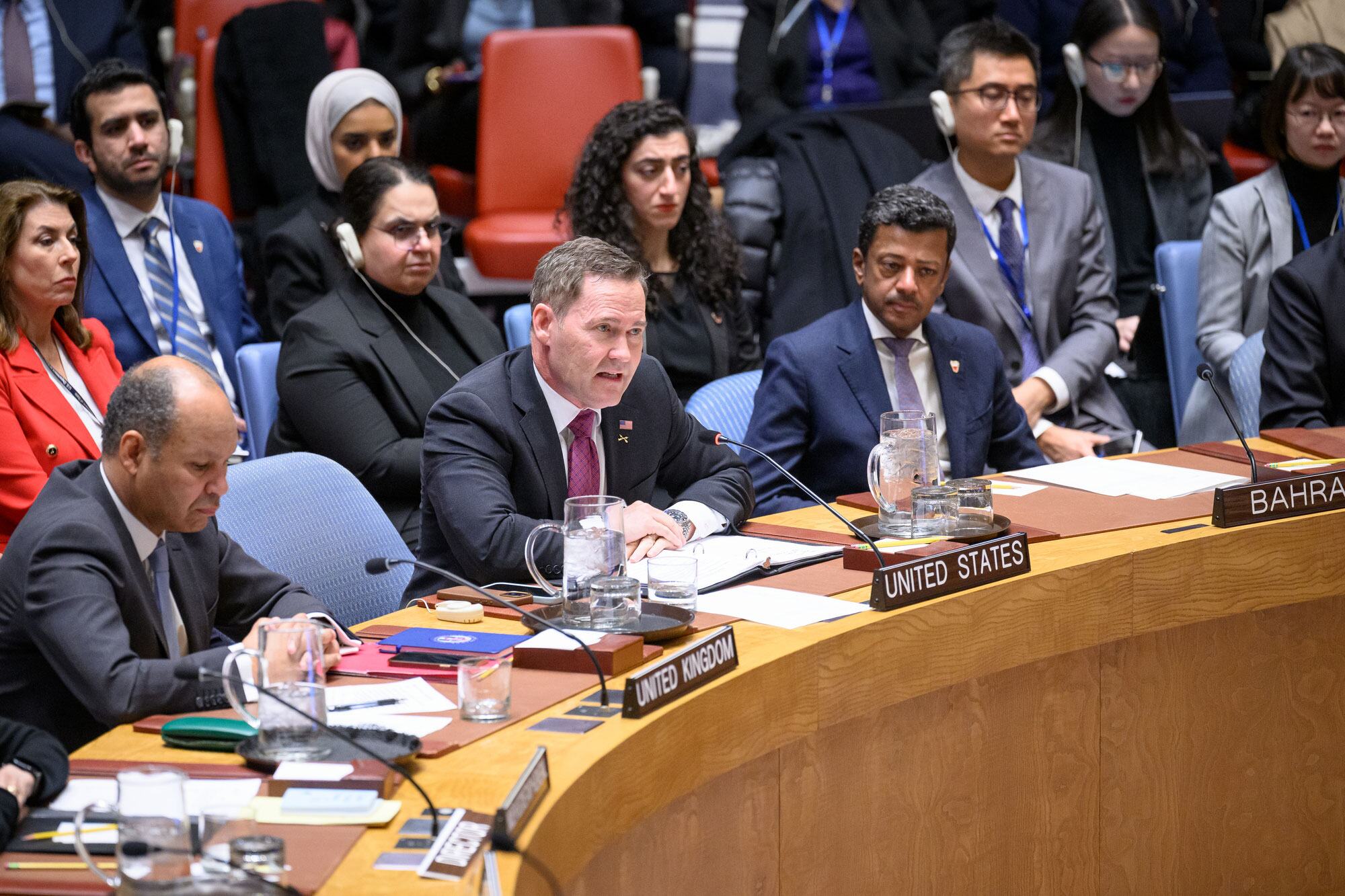
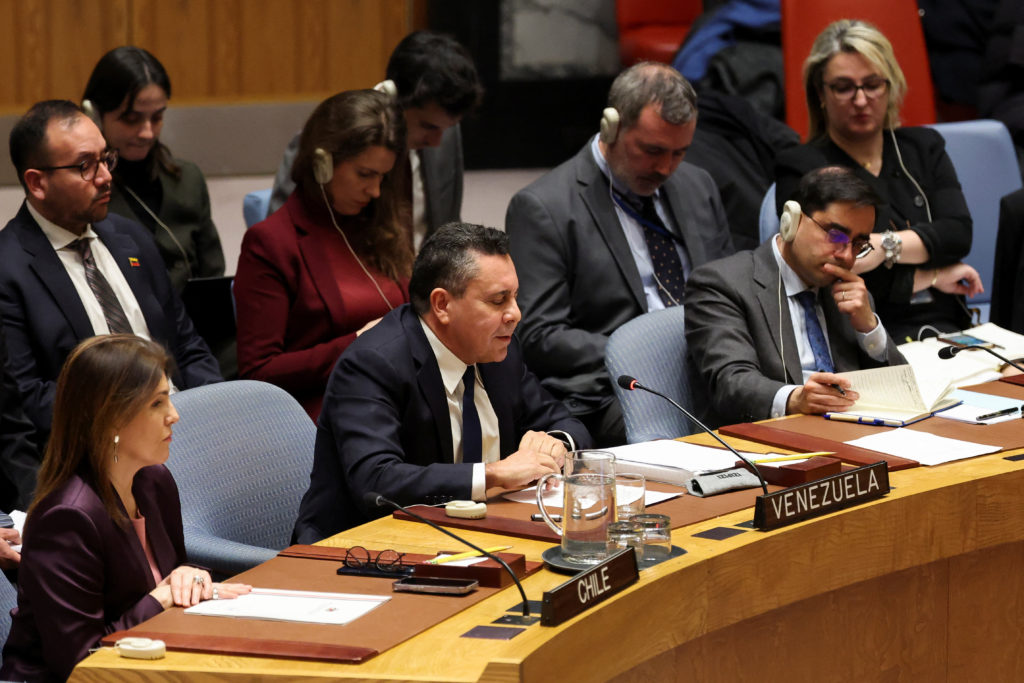
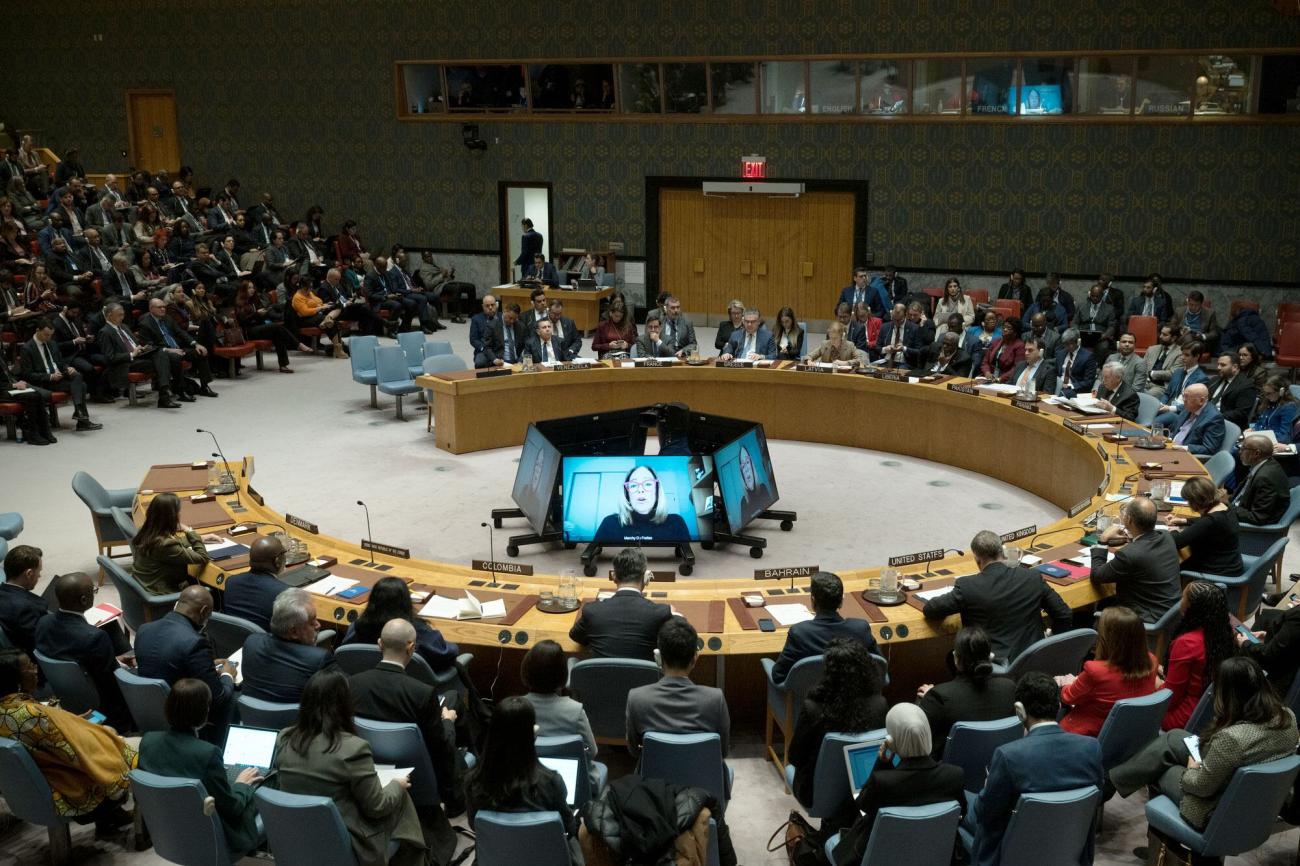
International responses to the U.S. intervention have been deeply divided, reflecting a complex picture of global opinion. On January 5, an emergency United Nations Security Council session saw widespread condemnation of the U.S. strike, with countries including Brazil, China, Russia, and South Africa labeling it a violation of sovereignty and international law.
UN Secretary-General António Guterres warned that U.S. action threatened regional stability and could set a dangerous precedent. Some leaders emphasized that peace and democratic processes should prevail over unilateral coercive measures, signaling the US Venezuela conflict impact on international legal norms and diplomatic frameworks.
Conversely, several European leaders and non-aligned nations cautiously welcomed the removal of Maduro from power, viewing it as a step toward restoring democratic governance in Venezuela. This mix of support and criticism underscores how the operation’s aftermath continues to reshape diplomatic relationships and global perceptions.
Regional Security and Latin American Responses
In Latin America, the US Venezuela conflict impact has triggered heightened security concerns. Colombia mobilized forces along its border, anticipating potential refugee flows and instability, while Trinidad and Tobago fortified strategic points amid worries over unrest. Nations hosting large Venezuelan migrant populations heightened patrols and emergency readiness.
Some governments, including those of Brazil and Mexico, issued strong condemnations, framing the U.S. strikes as an unwelcome external intrusion that could destabilize the region. Others adopted a more nuanced stance, calling for peaceful transition and dialogue while noting the seriousness of Maduro’s alleged offenses.
The regional ripple effects extend beyond immediate security, influencing defense postures and alliance calculations throughout the Western Hemisphere.
Implications for International Law
A major component of the US Venezuela conflict impact is its potential effect on international legal norms. Critics argue that the U.S. strikes violated key principles in the United Nations Charter related to sovereignty and non-interference. Condemnation by the UN Human Rights Office underscored concerns about undermining global security by suggesting that powerful states can unilaterally impose military solutions.
Legal scholars and practitioners have urged independent investigations and accountability mechanisms to assess whether international humanitarian law was upheld. The debate has reinvigorated discussions about the legality of interventions, nation state conduct, and the conditions under which force may be applied legitimately.
Impact on Venezuelan Civilians and Humanitarian Concerns
The human dimension of the US Venezuela conflict impact has been profound. Reports indicate that the strikes and ensuing clashes caused dozens of deaths, including security personnel and civilians, prompting Venezuela’s acting president to declare a week of mourning.
Humanitarian organizations have called for urgent aid, noting that infrastructure damage and displacement could worsen living conditions in a country already struggling with economic and social challenges. The potential for further instability risks additional waves of migration and stress on neighboring states already dealing with refugee influxes.
Economic and Oil Market Repercussions
The conflict’s effect on energy markets and economic relations is another significant facet of the US Venezuela conflict impact. Following the retreat of Maduro’s government, the U.S. indicated control over Venezuelan oil sales and outlined plans to potentially use revenue in ways intended to benefit Venezuelan citizens, a strategy criticized by some foreign policy analysts.
Oil trading sessions saw fluctuations as markets absorbed the implications of shifting supply sources. While Venezuela’s oil output had been declining for years, the sudden policy shift introduced uncertainty into the global energy landscape, influencing investor expectations and pricing behavior.
U.S. Domestic Policy Shifts
The conflict’s domestic implications are significant. In Congress, calls for war powers resolutions and inquiries into executive authority reflect broader anxieties about military engagement without legislative oversight. Some lawmakers have argued that the US Venezuela conflict impact may reshape national debates over how and when U.S. forces can be deployed abroad.
Defense budget discussions also reference potential long-term engagements and increased spending, given strategic priorities emerging from the Venezuela operation and other geopolitical flashpoints.
Public Opinion and Societal Reactions
Public reaction in the United States has ranged from supportive to deeply critical. Protests and demonstrations erupted in several cities, with activists denouncing the strikes as reckless and illegal. Others, including veteran groups and families affected by drug trafficking violence, expressed tempered approval of decisive action against alleged criminal networks.
Polls show a divided populace, with the US Venezuela conflict impact sparking reflection about U.S. foreign policy, constitutional authority, and national identity in global affairs.
International Markets and Financial Responses
Global markets have responded to the conflict’s economic signals. Stock indices for defense contractors showed gains in early trading following reports of U.S. operations, while oil prices experienced volatility as traders weighed long-term supply implications. Financial analysts note that although Venezuela’s crude output remains low, geopolitical uncertainties contribute to fluctuations in commodity and investment markets.
The broader US Venezuela conflict impact on economics encompasses trade relations, investor confidence, and investor strategies toward emerging markets tied to geopolitical risk.
One Defining Quote
A senior diplomatic analyst noted,
“The ramifications of these operations extend well beyond borders — they challenge the underpinnings of international law and redefine how nations perceive sovereignty and security.”
Long-Term Geopolitical Shifts
Looking ahead, experts predict that the US Venezuela conflict impact will shape diplomatic alignments, defense strategies, and regional cooperation frameworks for years. Latin American states may seek new mechanisms to safeguard sovereignty, while global powers reassess their engagement strategies in the Western Hemisphere and beyond.
Institutions like the United Nations and Organization of American States are likely to play key roles in mediating tensions and crafting pathways toward peaceful governance transitions and reconstruction.
Aftermath Strategy Redefining Global Norms
The US Venezuela conflict impact in 2026 reaches far beyond immediate military outcomes. The operation’s political, legal, humanitarian, economic, and diplomatic consequences have ignited debate, raised constitutional questions, and reshaped international discourse on intervention and sovereignty.
As nations and citizens adjust to these new realities, the long-term effects of this conflict will reveal themselves in policy shifts, market adjustments, and global strategic priorities in the years ahead.