

Washington, United States, January, 2026: Writing for Brussels Morning Newspaper, senior lawmakers in Washington were informed during a closed congressional briefing that former President Donald Trump is believed to have knowingly violated federal laws in the aftermath of the 2020 election. During the session, US prosecutor Smith outlined evidence and legal reasoning that framed the actions under scrutiny as deliberate rather than incidental, setting the stage for one of the most consequential accountability moments in modern American history.
The briefing unfolded against a backdrop of heightened political tension, institutional reflection, and renewed scrutiny of how democratic systems respond when challenged from within.
A Closed Door Session With National Consequences
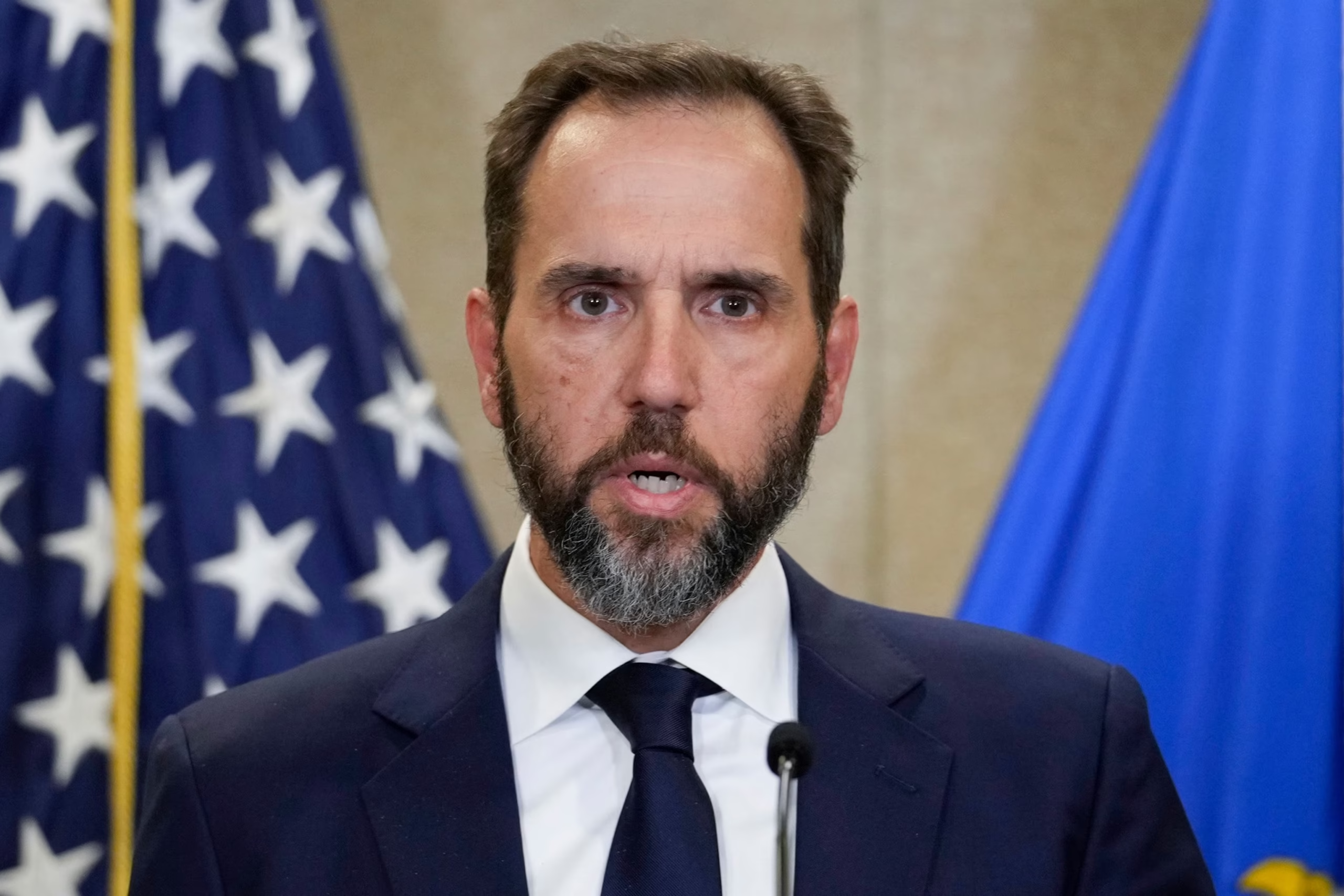
Members of Congress described the briefing as unusually sober and legally focused. US prosecutor Smith presented a chronological outline of conduct, emphasizing how specific actions aligned with statutory thresholds for criminal liability.
Rather than relying on speculation or political framing, the presentation centered on evidence gathered over several years. Lawmakers were guided through internal communications, testimony from officials, and procedural timelines that prosecutors believe demonstrate conscious decision-making.
Several attendees noted that the briefing avoided emotional language, instead relying on legal definitions and established precedents.
Intent as the Defining Legal Standard
One of the most significant aspects of the briefing was the emphasis on intent. US prosecutor Smith explained that investigators reached their conclusions after determining that the actions in question were undertaken with awareness of legal boundaries.
In criminal law, intent often separates misconduct from prosecutable offense. Prosecutors indicated that they believe this threshold has been met based on documented behavior rather than inferred motive.
A constitutional law specialist familiar with the discussion stated,
“When intent is demonstrated, the case moves from political debate into the realm of legal accountability.”
Statutes Central to the Case
During the session, US prosecutor Smith outlined how several federal statutes apply to the conduct being examined. These include laws governing obstruction of official proceedings, conspiracy related to constitutional processes, and misuse of authority during periods of governmental transition.
The explanation highlighted how legal responsibility can extend beyond direct action to include coordination, encouragement, or pressure exerted on institutions tasked with safeguarding democratic procedures.
Lawmakers were told that the case reflects a broader pattern rather than a single isolated act.
Congressional Reactions Reflect Deep Divisions
Reaction within Congress followed familiar partisan lines, though the legal gravity of the briefing was widely acknowledged. Democratic members said the presentation reinforced concerns that accountability had been delayed but not abandoned.
Republican lawmakers expressed caution, warning that prosecuting a former president could create lasting precedent. Still, several privately acknowledged that US prosecutor Smith presented a case grounded in statute rather than ideology.
Despite disagreements, there was consensus that the briefing marked a turning point in the broader national discussion.
Special Counsel Independence and Oversight
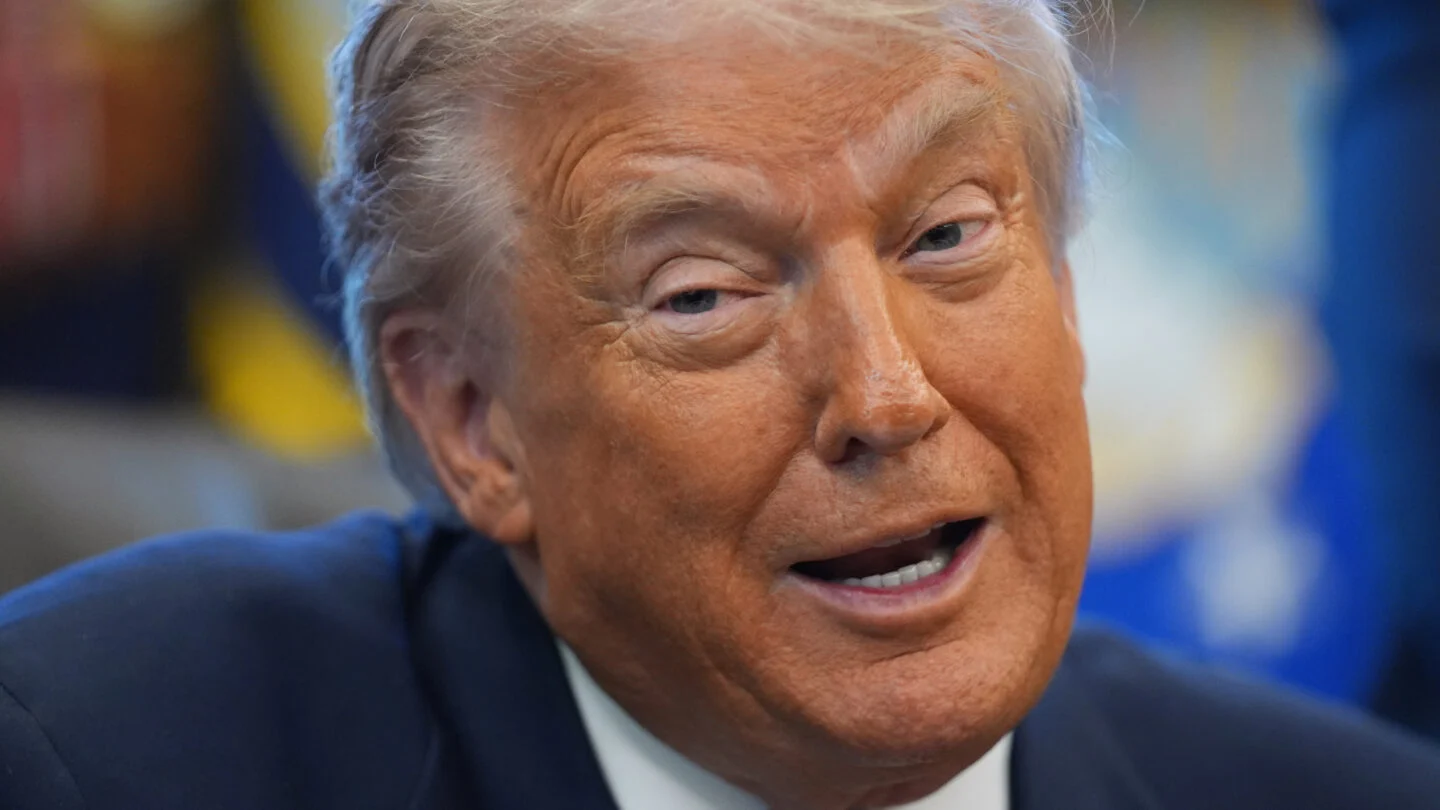
The investigation is overseen by Jack Smith, whose mandate allows independence from political leadership. During the briefing, US prosecutor Smith reaffirmed that prosecutorial decisions were insulated from electoral timelines and external pressure.
Justice Department officials continue to emphasize that the special counsel structure exists precisely to protect the integrity of sensitive investigations involving senior officials.
This framework, lawmakers were told, ensures that legal standards remain consistent regardless of political stature.
Impact on the 2026 Political Landscape
As the United States navigates the 2026 political cycle, the legal developments outlined by US prosecutor Smith are expected to influence campaign strategies, voter engagement, and institutional trust.
Political analysts suggest that the case introduces accountability as a central electoral theme, reshaping debates about leadership, responsibility, and democratic norms.
The timing ensures that legal considerations will intersect with political messaging throughout the year.
Public Confidence and Institutional Credibility
Beyond elections, the case raises broader questions about public trust. US prosecutor Smith told lawmakers that maintaining confidence in the justice system requires consistent application of the law, particularly during periods of national polarization.
Observers argue that transparency and restraint will be critical as proceedings continue, especially given the historic nature of the case.
Public reaction has so far reflected a mix of concern, anticipation, and institutional scrutiny.
Historical Comparisons and Democratic Stress Tests
Historians have begun comparing the moment to previous periods when American institutions faced defining challenges. US prosecutor Smith reportedly reminded Congress that constitutional safeguards are designed to function even under extraordinary pressure.
If the case proceeds to trial, it may serve as a benchmark for how future allegations involving senior officials are evaluated within democratic systems.
Such moments, scholars note, often shape institutional norms for generations.
International Attention and Global Implications
The developments have drawn significant international attention. Allies and observers abroad are closely watching how US prosecutor Smith advances a case centered on democratic integrity and the peaceful transfer of power.
International legal analysts note that the outcome may influence global perceptions of the United States as a model for institutional accountability.
The case has already become a point of reference in discussions about democratic resilience worldwide.
The Legal Path Ahead
While congressional briefings do not determine verdicts, they often signal prosecutorial confidence. Courts will ultimately assess the evidence assembled by US prosecutor Smith, guided by constitutional protections and judicial precedent.
Legal experts expect a deliberate process, with careful consideration given to due process, evidentiary standards, and historical implications.
The timeline remains uncertain, but the significance is unquestioned.
Media, Responsibility, and Public Discourse
The role of journalism has also come under focus as the case unfolds. Editors and analysts stress the importance of precision, neutrality, and restraint when covering proceedings involving democratic institutions.
By emphasizing verified facts and legal context, coverage aims to inform rather than inflame, a balance that remains essential during periods of heightened attention.
A Defining Chapter in American Accountability
The congressional briefing represents a defining chapter in modern American governance. With legal intent asserted and evidence outlined, US prosecutor Smith has framed the case as a test of whether democratic systems can enforce accountability without exception.
As 2026 progresses, the outcome will shape not only legal precedent but also public understanding of power, responsibility, and the rule of law in the United States.