
Brussels Morning Newspaper reports that the phrase US not at war with Venezuela has become a focal point of international discussion after remarks by Marco Rubio, who moved quickly to clarify Washington’s position following reports that Nicolás Maduro is being held in a New York jail. As speculation surged across global media, Rubio emphasized that the United States is not engaged in military conflict with Venezuela and that the situation should not be misinterpreted as an act of war.
The detention of a sitting or former head of state is a rare and dramatic development that naturally raises concerns about escalation. Rubio’s insistence that the US not at war with Venezuela was designed to calm fears among allies, reassure markets, and prevent misinformation from spiraling into diplomatic crisis. His statement underscored a central theme: legal accountability and military aggression are not the same thing.
Rubio’s Statement and the Timing Behind It
Rubio’s comments came at a moment of heightened sensitivity. News of Maduro’s detention spread rapidly, triggering intense reactions in Latin America and beyond. By publicly stating that the US not at war with Venezuela, Rubio aimed to preempt retaliatory rhetoric and prevent miscalculations that could destabilize the region.
According to Rubio, the United States continues to rely on lawful processes and international cooperation. He framed the situation as a judicial matter rather than a geopolitical confrontation, repeating that the US not at war with Venezuela despite the symbolism surrounding Maduro’s detention.
Why Maduro’s Detention Triggered Alarm
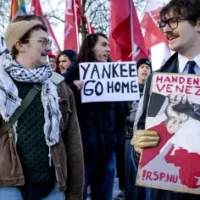
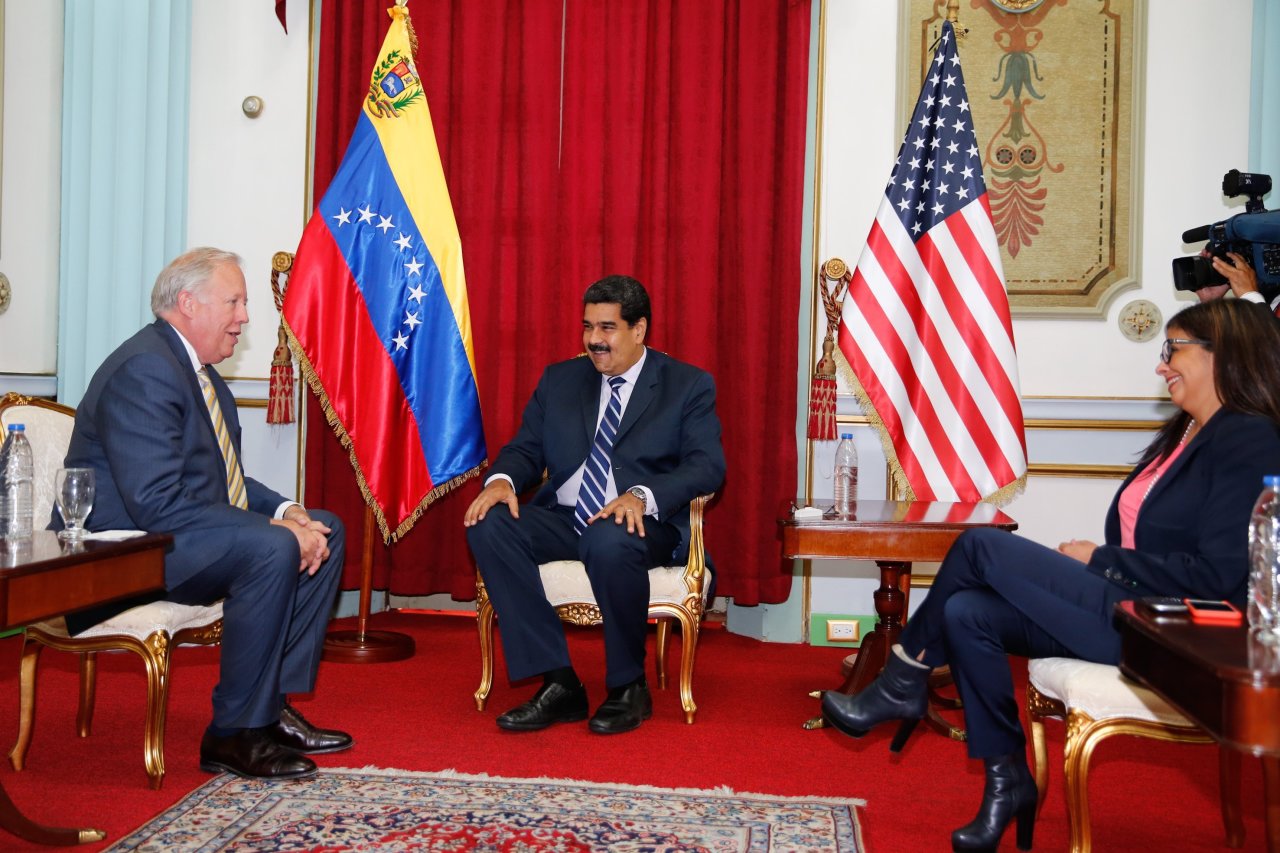
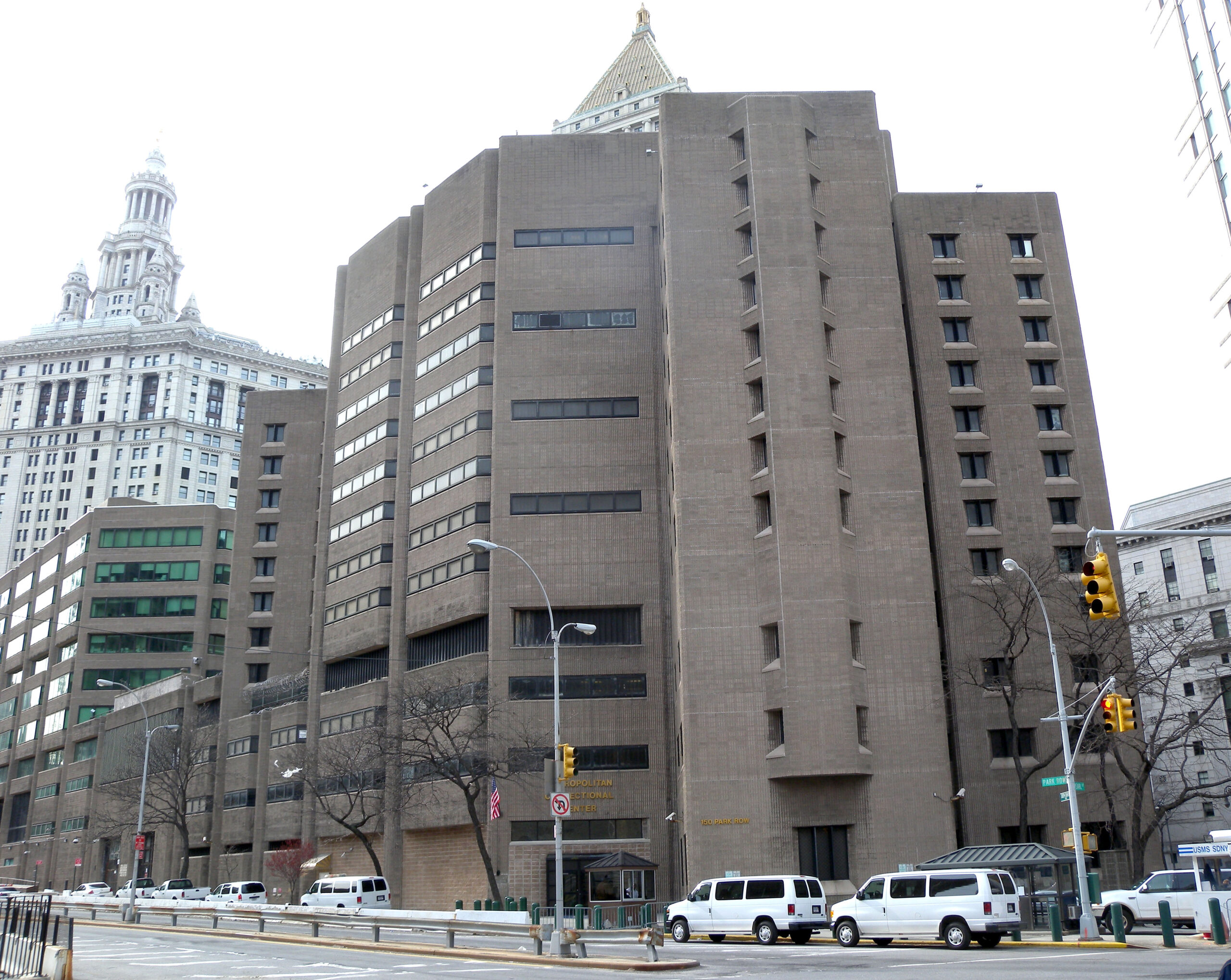
The idea of Nicolás Maduro being held in a New York jail carries enormous political weight. Supporters of the Venezuelan government framed the move as an attack on national sovereignty, while critics saw it as a long overdue step toward accountability.
Rubio acknowledged the sensitivity of the moment but emphasized that the US not at war with Venezuela, arguing that individual legal responsibility does not equate to hostility toward an entire nation or its people.
Legal Accountability Versus Military Conflict
One of Rubio’s key points was the distinction between judicial action and warfare. He stressed that courts, not soldiers, are involved in the current situation. By repeating that the US not at war with Venezuela, Rubio sought to separate the concept of justice from the specter of military intervention.
This distinction is critical in international law, where legal proceedings are meant to operate independently of armed conflict. Rubio’s message reinforced the idea that accountability can occur without bombs or troops.
Venezuela’s Official Response
Officials in Caracas rejected Rubio’s characterization, accusing Washington of aggression and interference. Venezuelan state media portrayed Maduro’s detention as a provocation designed to undermine national sovereignty.
Despite these accusations, Rubio maintained that the US not at war with Venezuela, insisting that diplomatic channels remain open and that Washington is not pursuing military escalation.
The State of US Venezuela Relations
Relations between the United States and Venezuela have been strained for years. Sanctions, diplomatic expulsions, and mutual accusations have shaped a hostile relationship. The latest development adds another layer of complexity to an already fragile dynamic.
Rubio’s statement that the US not at war with Venezuela suggests an effort to prevent a complete breakdown in communication and avoid actions that could spiral into open confrontation.
International Reaction and Diplomatic Signals
Governments across Latin America, Europe, and Asia watched Rubio’s remarks closely. Many welcomed the clarification, noting that confirmation the US not at war with Venezuela reduced the risk of panic or retaliation.
Diplomatic observers stressed that clarity from senior US officials is essential during moments of uncertainty, especially when misinformation spreads rapidly online.
Public Opinion Inside the United States
Within the United States, public reaction has been divided. Some Americans support strong legal action against Maduro, while others fear the country could be drawn into another foreign crisis.
Rubio’s repeated assertion that the US not at war with Venezuela appears aimed at addressing domestic concerns about military overreach and long term entanglement.
Venezuela’s Ongoing Political and Economic Crisis
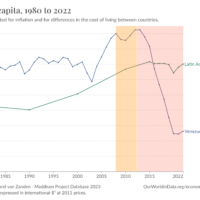
Beyond the headlines, Venezuela continues to face deep structural problems. Economic collapse, inflation, and humanitarian hardship have forced millions to flee the country. Political divisions remain unresolved.
Rubio argued that these challenges require diplomacy and reform rather than war, reinforcing once again that the US not at war with Venezuela.
Regional Stability and Security Concerns
Venezuela’s instability has regional consequences, affecting migration, security, and economic conditions across Latin America. Neighboring countries fear that escalation could worsen an already fragile situation.
By emphasizing that the US not at war with Venezuela, Rubio sought to reassure regional partners that Washington does not intend to ignite further instability.
Media Narratives and the Risk of Misinformation
In the hours following reports of Maduro’s detention, social media platforms were flooded with speculation about imminent conflict. Rubio criticized exaggerated narratives and warned against misinformation.
His repeated statement that the US not at war with Venezuela was aimed at countering false claims and restoring factual clarity to the public conversation.
The Role of International Law
International law plays a central role in the current situation. Rubio stressed that legal proceedings must respect due process and international norms.
By clarifying that the US not at war with Venezuela, he highlighted the importance of resolving disputes through courts and diplomacy rather than force.
What Comes Next for Maduro’s Case
Legal experts note that any case involving Maduro could take years to resolve. Appeals, jurisdictional challenges, and diplomatic negotiations are likely.
Throughout this process, Rubio indicated that the US not at war with Venezuela, suggesting that Washington intends to avoid conflating legal accountability with military action.
Implications for Global Politics
The situation carries broader implications for how powerful nations handle allegations against foreign leaders. Rubio’s stance that the US not at war with Venezuela may serve as a precedent for separating justice from warfare.
Analysts suggest that this approach could influence future cases involving international accountability.
A Test of Diplomatic Restraint
The coming months will test whether restraint prevails over rhetoric. Both Washington and Caracas face pressure from domestic audiences to appear strong.
Rubio’s message that the US not at war with Venezuela represents an attempt to lower the temperature and prevent symbolic actions from turning into real conflict.
Law Over War
Marco Rubio’s clear assertion that the US not at war with Venezuela has become a defining message in a moment of uncertainty. As Nicolás Maduro remains held in a New York jail, the world is watching how the United States balances accountability, diplomacy, and stability.
For now, Rubio’s stance emphasizes restraint, legality, and communication. Despite dramatic developments and heated rhetoric, the United States maintains that it is not pursuing war with Venezuela but relying on legal and diplomatic channels to address a complex international challenge.