Washington (Brussels Morning Newspaper) January 09, 2026 — US Iran relations moved back into sharp diplomatic focus after former US president Donald Trump said a meeting with Iran’s exiled crown prince would not be appropriate, reinforcing how symbolism, caution, and historical memory continue to shape Washington’s approach toward Iran. The comments, delivered during an exchange with reporters, immediately reverberated through policy circles and revived debate over the boundaries of engagement with Iranian opposition figures.
Although Trump no longer holds office, his remarks highlighted enduring sensitivities that define US Iran relations, particularly when it comes to gestures that may be interpreted as political endorsements or challenges to Iran’s existing power structure.
Trump Sets Limits on Political Symbolism
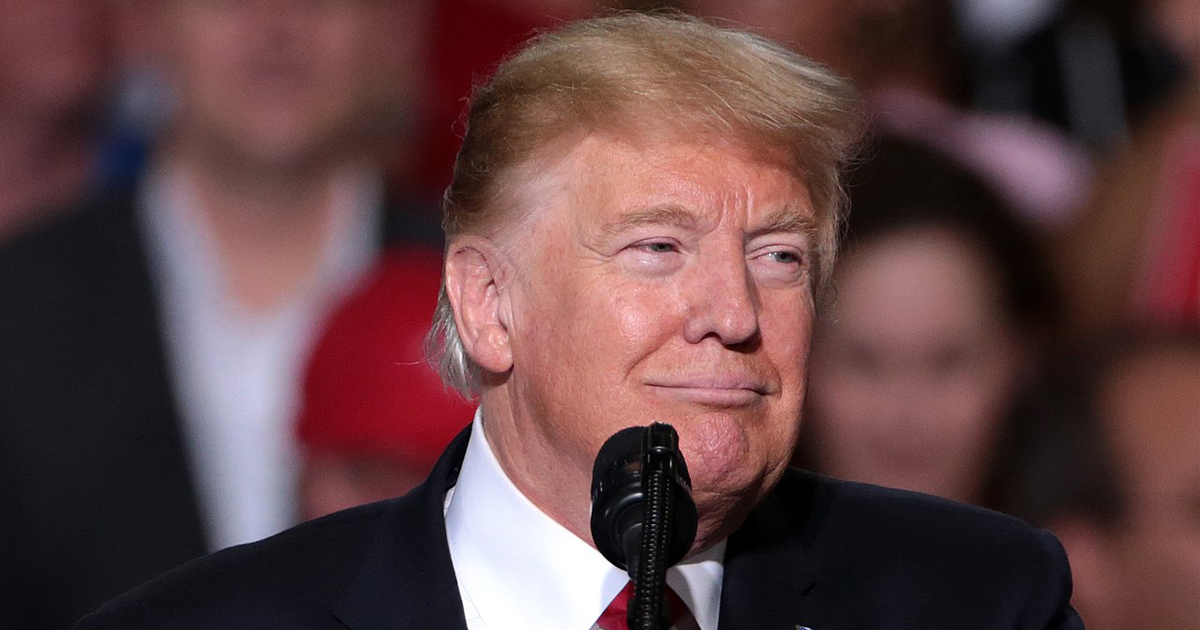
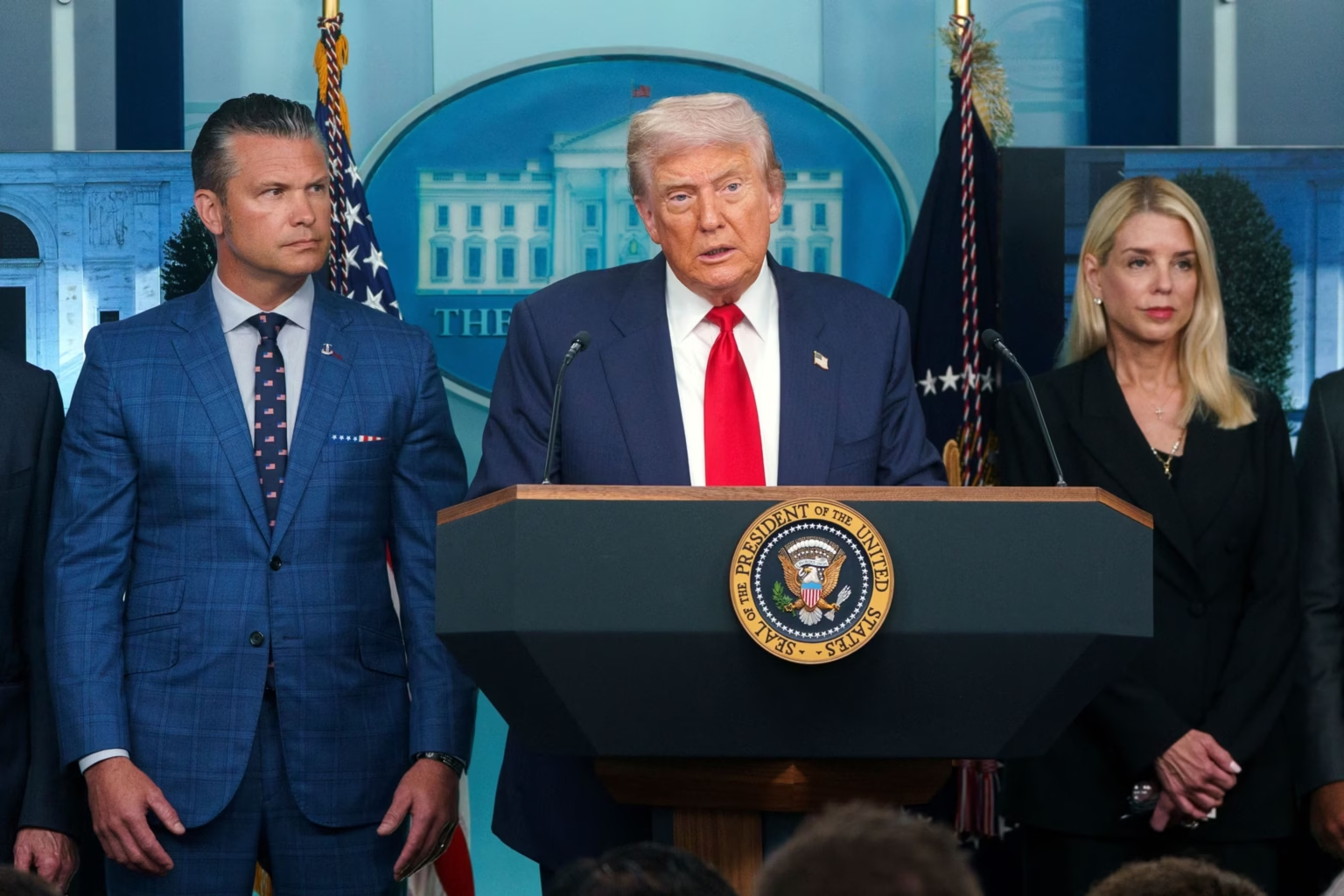
Trump’s statement came in response to questions about potential engagement with Reza Pahlavi, the son of Iran’s last monarch. Trump dismissed the idea, arguing that such a meeting would be diplomatically inappropriate given the broader implications it could carry.
Policy analysts say the comment reflects a deeply ingrained principle in US Iran relations: high profile meetings often matter less for what is said than for how they are perceived. In the context of Iran, perception frequently outweighs substance, shaping reactions both within Tehran and across the region.
Who Is Reza Pahlavi and Why He Matters
Reza Pahlavi has lived in exile since the 1979 Iranian revolution and has spent decades advocating for secular governance, human rights, and democratic reform. While he has no official political authority, he remains one of the most recognizable Iranian opposition figures internationally.
For supporters, he represents continuity with a pre revolutionary Iran and a potential unifying figure for change. Critics argue that his monarchical background limits his appeal inside Iran. Within US Iran relations, figures like Pahlavi occupy a sensitive space, symbolizing alternative futures without holding formal power.
The Weight of History in US Iran Relations
Relations between Washington and Tehran have been shaped by decades of mistrust, confrontation, and missed opportunities. From the hostage crisis of 1979 to sanctions regimes and nuclear negotiations, history looms large over every diplomatic move.
This historical backdrop explains why US Iran relations remain uniquely sensitive to symbolism. Meetings that might be routine with other opposition figures elsewhere can carry disproportionate meaning when Iran is involved.
Why Meetings With Exiles Are Controversial
Engaging with exile figures has long divided policymakers. Supporters argue that such engagement amplifies voices for reform and signals moral support. Opponents warn that it risks undermining diplomacy by hardening positions or validating narratives of foreign interference.
In the case of US Iran relations, the second concern has often prevailed. American officials have generally avoided formal meetings with exiled opposition leaders, preferring to emphasize state to state channels.
Diplomatic Signaling and Strategic Restraint
Trump’s refusal to meet Pahlavi underscores a broader pattern of strategic restraint. Analysts note that restraint does not necessarily indicate indifference, but rather an attempt to preserve diplomatic flexibility.
Within US Iran relations, maintaining room for maneuver has often been prioritized over symbolic alignment. This approach reflects lessons learned from past episodes where gestures escalated tensions without producing tangible gains.
The Role of Perception in Tehran
Iranian authorities closely monitor statements and actions by US political figures. Meetings with opposition personalities are frequently portrayed by state media as evidence of hostile intent.
By ruling out a meeting, Trump avoided feeding narratives that Washington seeks to impose political alternatives on Iran. Such considerations remain central to US Iran relations, where misinterpretation can quickly spiral into confrontation.
Policy Community Reaction in Washington
Reaction among foreign policy experts was largely measured. Many viewed Trump’s remarks as consistent with long standing diplomatic norms. Others expressed frustration that opportunities for dialogue with alternative voices are routinely sidelined.
This division reflects broader debates shaping US Iran relations, particularly as younger policymakers question whether traditional caution still serves US interests in a changing geopolitical environment.
Iranian Opposition Voices Respond
Among Iranian opposition supporters abroad, reactions were mixed. Some expressed disappointment, arguing that engagement with figures like Pahlavi could spotlight human rights concerns. Others acknowledged that external validation is not a substitute for internal legitimacy.
Analysts sympathetic to reform movements noted that US Iran relations have rarely been transformed by symbolic meetings, emphasizing instead the importance of grassroots momentum inside Iran.
Media Framing and Public Perception
Media coverage of Trump’s comments focused on the notion of appropriateness rather than ideology. Headlines highlighted restraint, framing the decision as a signal of diplomatic discipline.
Public reaction mirrored longstanding divisions over US Iran relations, with some calling for tougher stances and others urging caution to avoid unintended escalation.
One Analyst’s Assessment
One senior foreign policy analyst observed,
“In relationships burdened by history, restraint can be more powerful than rhetoric,”
capturing a sentiment often expressed by veterans of US Iran relations.
Regional Implications Beyond Bilateral Ties
Iran’s regional influence means that signals from Washington are closely watched by allies and rivals alike. Decisions about engagement can affect calculations in the Gulf, the Levant, and beyond.
As a result, US Iran relations extend far beyond bilateral diplomacy, shaping alliance politics and regional security dynamics across the Middle East.
The Nuclear Question Still Looms
Although Trump’s remarks were focused on symbolism, they occur against the backdrop of unresolved nuclear issues. Negotiations and monitoring arrangements remain fragile, with trust in short supply.
Within US Iran relations, nuclear concerns often overshadow other issues, reinforcing caution around any action that could derail already delicate understandings.
Domestic Politics and Foreign Policy Messaging
Domestic political considerations also shape how US figures speak about Iran. Statements are often calibrated for multiple audiences, including voters, allies, and adversaries.
Trump’s words reflect an awareness that US Iran relations remain politically charged at home, where perceptions of strength or weakness can carry electoral consequences.
The Limits of Personal Diplomacy
The episode highlights the limits of personal diplomacy in complex international relationships. Individual meetings, while newsworthy, rarely resolve structural disputes.
In the context of US Iran relations, progress has historically depended on sustained negotiation frameworks rather than personal rapport or symbolic encounters.
Looking Ahead in 2026
As 2026 unfolds, attention will remain fixed on how Washington and Tehran manage persistent tensions. Incremental diplomacy, quiet communication, and risk management are likely to dominate.
For now, US Iran relations appear set to continue along a cautious trajectory shaped by history, symbolism, and strategic calculation.
Challenges Facing Future Policymakers
Future US leaders will face the same dilemmas that confronted their predecessors: how to balance moral support for reform with the risks of escalation.
The enduring complexity of US Iran relations suggests that easy answers remain elusive, regardless of changing personalities or political climates.
Beyond Headlines and Symbolic Gestures
Ultimately, meaningful progress depends less on who meets whom and more on sustained dialogue, mutual understanding, and realistic expectations.
As debates continue, US Iran relations will remain a test case for how diplomacy navigates history, perception, and power in a divided world.
Beyond Symbolism, Toward Strategic Patience
Trump’s decision to rule out a meeting with Iran’s exiled crown prince underscores the enduring sensitivities that define US Iran relations in 2026. It highlights a broader consensus that restraint, clarity, and careful signaling remain essential in managing one of the world’s most complex diplomatic relationships.